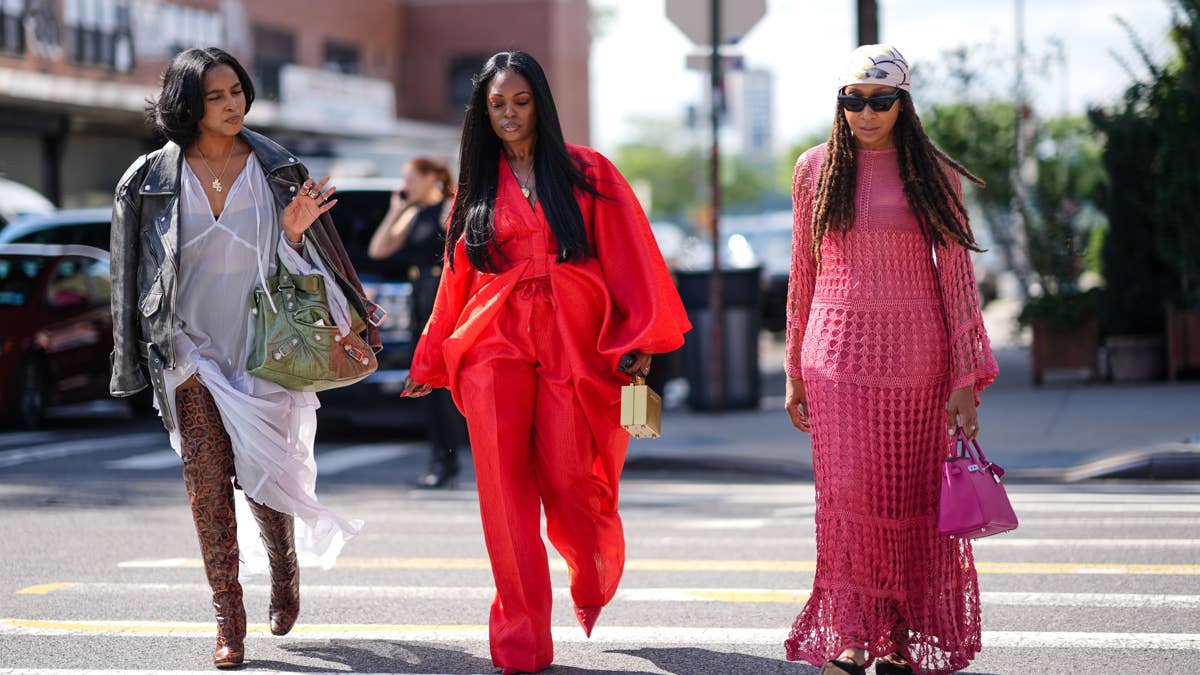
# Public Access to Spring Fashion Week: New York Opens Doors Beyond the Runway
New York Fashion Week springs back into full swing this September, and the industry has made a deliberate shift toward inclusivity. Unlike the gatekeeping culture that defined fashion weeks for decades, this season features numerous free and publicly accessible events across the city, signaling a broader industry pivot toward democratizing high fashion.
The spring 2025 season reflects a maturing trend in fashion's relationship with its audience. Major fashion houses, emerging designers, and established brands recognize that exclusive runway access no longer defines cultural relevance. Instead, they're leveraging public-facing events to build brand loyalty, generate social media momentum, and reach consumers beyond traditional fashion insiders.
This accessibility extends across multiple formats. Showroom presentations, pop-up installations, and street-level activations now dot Manhattan's fashion districts. Designers understand that foot traffic and organic engagement often generate more meaningful brand conversations than a single runway moment before an invited-only audience. The economics have shifted. Digital coverage spreads faster than ever before, and a viral moment at a public event can outperform traditional press placement.
Several categories of free programming define this season. Industry veterans continue hosting evening presentations for professionals, but daytime events cater explicitly to enthusiasts. Some brands occupy temporary retail spaces in neighborhoods like SoHo and the Lower East Side, allowing walk-in traffic to experience collections firsthand. Others partner with cultural institutions and galleries to frame fashion within broader artistic contexts. These collaborations blur boundaries between fashion, visual art, and performance, attracting audiences with varied interests.
Emerging designers particularly benefit from this model. Without the budget for traditional runway presentations, young brands use public events to showcase work and build direct relationships with potential customers and press. The barrier to entry has lowered. Ambition and compelling design now matter more than connections to established production houses.
The shift also reflects changing demographics in fashion's audience. Younger consumers expect access. They've grown up with social media democratizing celebrity and brand relationships. A TikTok video of someone trying on a piece at a public pop-up generates authentic engagement that traditional fashion week coverage often cannot replicate. Brands that resist this transparency appear out of touch.
From a logistics perspective, New York Fashion Week has structured its calendar to accommodate both professional and public programming. The official CFDA calendar maintains its prestige while simultaneously supporting auxiliary events throughout the city. This dual-track approach satisfies industry veterans who value exclusivity while expanding fashion week's cultural footprint.
September's public events also serve as a testing ground for a larger industry conversation. Fashion weeks globally are experimenting with access, timing, and format. Paris, Milan, and London observe how New York navigates this balance. The results will likely shape future seasons across all four major fashion capitals.
For New York specifically, this openness reinforces the city's identity as a democratic, trend-setting fashion capital rather than an exclusive club. That positioning matters economically and culturally. Tourism, retail, and media attention follow accessibility. This September, the fashion industry puts its confidence in a simpler principle: great design speaks for itself, regardless of who's in the room.