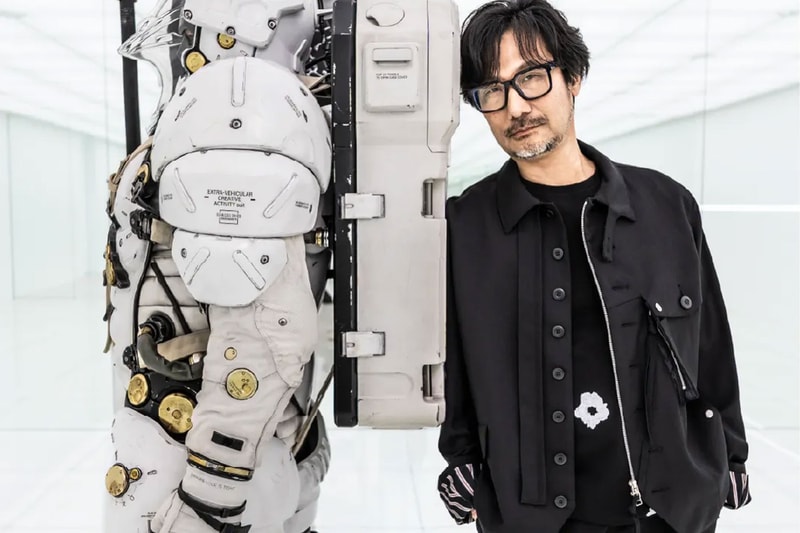
Kojima Productions marks a decade of game development with a retrospective exhibition that extends far beyond typical industry nostalgia. "BEYOND THE STRAND" opens October 31 at Tokyo's Azabudai Hills Gallery and runs through December 20, 2026, positioning the studio's anniversary as a cultural event rather than a corporate milestone.
The exhibition structure reveals how Kojima Productions approaches its legacy. The space includes unreleased development archives, offering fans and industry observers a rare glimpse into the creative process behind titles like Death Stranding and Metal Gear Solid V. A recreated studio environment anchors the exhibition, featuring a custom 10th-anniversary Ludens statue. Ludens, the studio's humanoid mascot, becomes a physical centerpiece symbolizing Kojima's distinctive visual language and philosophy around player agency and human connection in digital spaces.
A 360-degree video installation forms the exhibition's technological core, immersing visitors in the studio's world beyond traditional flat displays. This decision aligns with how Kojima Productions itself thinks about spatial design and environmental storytelling. The immersive approach transforms the gallery into an experiential space rather than a passive archive.
The commercial strategy demonstrates savvy audience engagement. Ticket sales begin September 11 through Lawson Ticket, Japan's dominant ticketing platform. Limited edition packages differentiate tiers. Higher-tier offerings include signed art reproductions and a collaboration watch, creating collectible incentives for dedicated fans while generating revenue beyond base admission.
Kojima Productions' choice of venue matters within Tokyo's cultural landscape. Azabudai Hills Gallery sits in one of Tokyo's most prestigious mixed-use developments, positioning the exhibition within luxury retail and cultural infrastructure rather than isolating it in a niche gaming space. This placement elevates the studio's profile beyond gaming communities and into broader fashion, design, and culture circles.
The exhibition timing arrives at a pivotal moment for Kojima Productions. The studio recently partnered with Microsoft on an Xbox exclusive title, signaling major industry backing. Death Stranding established Kojima's post-Konami identity and demonstrated his ability to create genre-bending experiences with A-list collaborators like Hideo Kojima's signature aesthetic. The anniversary exhibition becomes a moment to consolidate that legacy before announcing next-generation projects.
Fashion and design communities will likely engage with this exhibition beyond gaming circles. Kojima Productions' visual design language, character aesthetics, and merchandise collaborations have influenced streetwear and luxury design. The studio's approach to product design, from in-game objects to physical merchandise, demonstrates how interactive media shapes contemporary visual culture.
The exhibition functions as a masterclass in how game studios can frame their archives as legitimate cultural artifacts. By treating unreleased materials as exhibition-worthy rather than vault-locked, Kojima Productions invites critical examination of the creative process. This transparency strategy contrasts with how many studios gatekeep development materials.
For Tokyo's cultural calendar, this exhibition occupies space alongside fashion weeks, design shows, and luxury retail events. It signals that interactive entertainment merits the same institutional respect as established art forms. The exhibition validates game development as a serious creative discipline worthy of retrospective examination and cultural institution programming.