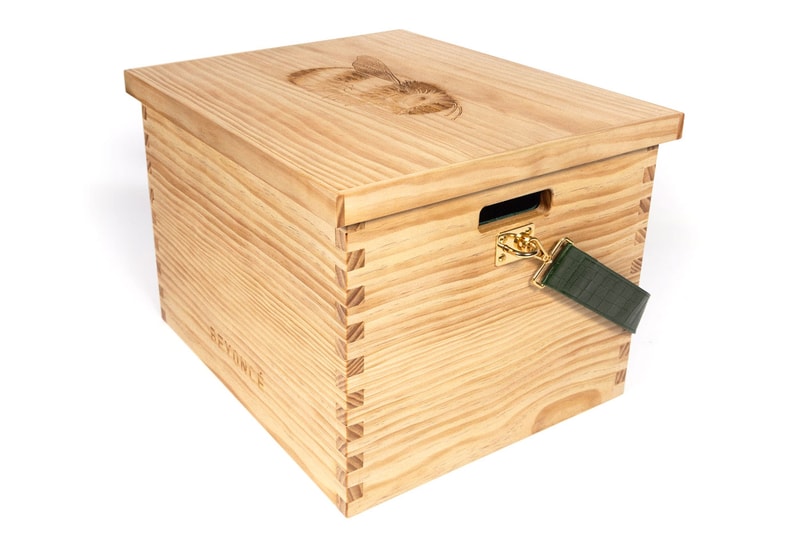
Beyoncé released the Bey Keeper Collector's Box as a limited-edition merchandise item priced at $948.01 USD, and the product arrives empty. The handcrafted solid-pine crate does not include any vinyl records. Fans erupted online with criticism over the price tag for storage alone, calling the drop tone-deaf and excessive.
The item launched to commemorate Beyoncé's 45th birthday and the 20th anniversary of her 2006 album B'Day. The crate functions as a display piece for vinyl collections rather than a functional music product. Pre-orders opened through Beyoncé's official channels, tapping into the broader vinyl resurgence that has driven collector demand over the past five years.
The backlash reflects a growing tension in celebrity merchandise. Artist drops routinely price experiences, limited editions, and lifestyle goods at premiums that exceed production costs by significant margins. Beyoncé's fanbase, typically loyal and enthusiastic, drew a line at this particular ask. Twitter and TikTok users compared the $948 crate unfavorably to mid-range furniture retailers and questioned whether the limited-edition status justified the markup. Some fans noted that collectors could purchase multiple high-quality vinyl storage solutions from established furniture brands for the same price.
The Bey Keeper sits within a larger ecosystem of celebrity-branded home goods and collector items that have accelerated post-pandemic. Rihanna's Fenty Beauty expanded into lifestyle goods. Travis Scott merchandise regularly sells out at premium prices. But those drops typically bundle multiple items or offer tangible added value beyond scarcity alone. Beyoncé's empty crate positions itself purely as a collector's object tied to her cultural moment and branding.
The timing matters here too. Vinyl has experienced genuine growth in physical sales over the last decade, with younger listeners embracing physical formats alongside streaming. However, that growth has also attracted skeptics who view vinyl collecting as more aspirational than practical for many consumers. A $948 storage crate without records reads as a status purchase rather than a functional product for actual music fans.
Beyoncé's merch strategy typically commands premium pricing. Her Ivy Park athleisure line, in partnership with Adidas, launched at luxury price points while maintaining strong sales. Her official apparel and accessories routinely exceed $100 per item. That established positioning may have emboldened this particular drop. However, apparel and sportswear carry production arguments for higher pricing. A wooden box presents a different value proposition.
The controversy reflects broader consumer fatigue with celebrity merchandise inflation. Luxury brands justify premium pricing through heritage, craftsmanship, and exclusivity. Celebrity drops increasingly ask consumers to pay those luxury margins without traditional luxury infrastructure or resale credibility. The Bey Keeper Collector's Box sits at an uncomfortable intersection where fans question whether they are buying a product or simply paying for association with Beyoncé's name.
Whether the limited edition sells out depends on how hardcore her collector base truly is. Previous Beyoncé drops have moved quickly despite debate. This crate tests whether that loyalty extends to merchandise with no functional advantage beyond aesthetic branding. The early social media response suggests the brand may face lower conversion rates than typical drops, even if hardcore fans eventually secure units.