# Three Major Fashion Industry Shifts Reshape the Retail and Museum Landscape
This week delivered three consequential developments that reshape how fashion reaches consumers, how institutions honor designers, and how creative leadership realigns at heritage houses.
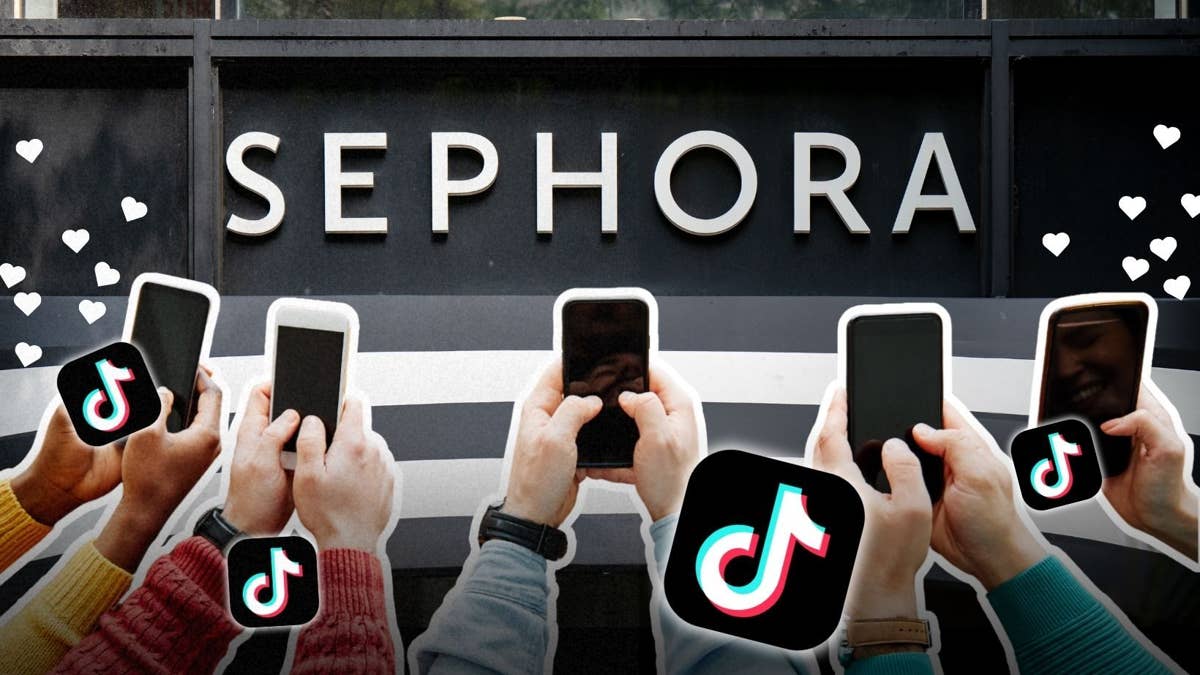
Sephora's entry into live shopping represents a direct challenge to beauty retail incumbents. The beauty giant launches its own live-streaming commerce platform, joining competitors like Ulta Beauty in the race to capture Gen Z and millennial shoppers who increasingly discover and purchase products through real-time digital experiences. Live shopping blurs entertainment and commerce, allowing beauty influencers and makeup artists to demonstrate products in real time while viewers purchase instantly through integrated checkout systems. For Sephora, this move acknowledges that traditional e-commerce and brick-and-mortar channels no longer capture the full customer journey. TikTok Shop, Amazon Live, and YouTube Shopping already prove the model's viability. Sephora's platform positions the retailer directly against Ulta while defending against emerging DTC brands that build community through streaming. The initiative demands Sephora invest heavily in content production, creator relationships, and platform stability, but the payoff justifies the resource allocation.
The Metropolitan Museum of Art's cancellation of its spring 2027 John Galliano exhibition marks an unexpected retreat from institutional support of the French-British designer. The exhibit would have positioned Galliano's work within broader art historical context, legitimizing his return to haute couture prominence after his appointment as creative director at Maison Margiela. The cancellation signals internal debates about curatorial priorities or logistical constraints rather than any controversy. For Galliano, the Met platform would have solidified his status as a major contemporary voice. The designer remains crucial to the fashion establishment despite this setback, and alternative institutional venues may still pursue the retrospective concept. Museums across New York and Europe have accelerated designer exhibitions in recent years, and the absence of a Galliano show at the Met opens space for other institutions to claim his legacy.
Ib Kamara's departure from Off-White adds another layer to the ongoing leadership instability at the luxury streetwear house. Kamara served as creative director and helped navigate the brand after founder Virgil Abloh's death in November 2021. His exit follows Abloh's handpicked successor and raises questions about Off-White's long-term creative direction under parent company LVMH. The brand faces pressure to define its identity beyond Abloh's towering legacy while maintaining the streetwear credibility that built its customer base. Off-White requires a creative director capable of honoring Abloh's democratizing design philosophy while establishing autonomous vision. The next appointment will signal whether LVMH views Off-White as a contemporary streetwear laboratory or a heritage house requiring stewardship of archive.
These three stories converge around institutional transitions. Sephora evolves its distribution strategy for new-consumer engagement. The Met recalibrates its exhibition calendar. Off-White searches for leadership after losing two directors in succession. Each represents necessary recalibration as fashion, retail, and cultural institutions adapt to shifting market demands and generational preferences.