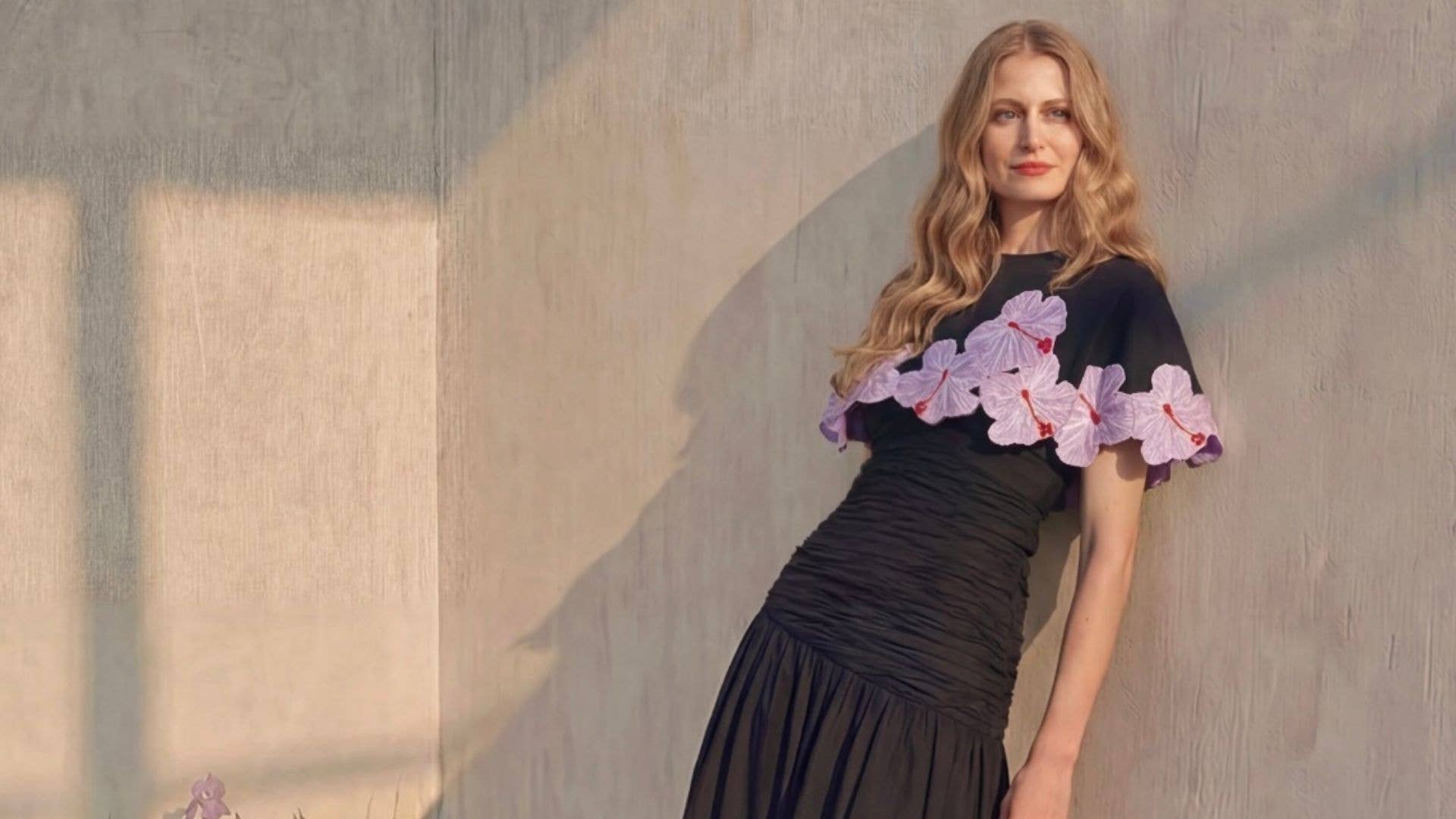
Ashaki represents a counternarrative to fast fashion's disposability model. The emerging brand builds its identity around garments engineered for longevity, employing traditional hand-sewing and embroidery techniques that reject industrial shortcuts. Each piece functions as a heirloom object. contemporary women who reject throwaway culture drive demand for this alternative.
The brand's philosophy centers on craftsmanship as rebellion. While mass-market retailers churn out seasonal collections designed for obsolescence, Ashaki invests time in construction methods that demand skill, patience, and intention. Hand-embroidery transforms fabric into narrative. Hand-sewing creates seams that hold across decades, not seasons. This approach mirrors the resurgence of artisanal fashion globally, where makers like Liya, Needlework pioneers, and heritage-focused labels position quality as the ultimate luxury marker.
Traditional embroidery techniques carry cultural weight. These methods often originate from specific regions and communities, embedding identity into fabric. Ashaki's use of hand-embroidery signals respect for these traditions while creating objects that transcend trend cycles. A hand-stitched garment ages beautifully. Seams develop character. Fabric patinas deepen. The owner's relationship with the piece evolves over years, not months.
This business model operates within the slow fashion and sustainable luxury sectors, categories experiencing accelerated growth as Gen Z and younger millennials reject virgin-fast-fashion consumption patterns. Brands like Gabriela Hearst, Raf Simons, and even luxury conglomerates have invested heavily in artisanal production lines and heritage techniques to signal authenticity and permanence. Ashaki positions itself within this trajectory, though at an accessible price point than high-tier luxury houses.
The heirloom positioning carries psychological weight. Consumers increasingly view fashion purchases as emotional and familial investments. A garment designed to pass down to daughters or worn for twenty years carries different meaning than a $30 fast-fashion alternative. This mindset shift represents a wholesale recalibration of how consumers value clothing. Quality replaces quantity. Durability replaces novelty.
Ashaki's emphasis on handcraft also addresses labor ethics directly. Hand-production requires fair wages and sustainable working conditions. Industrial sewing factories optimize for speed and volume at the cost of worker wellbeing. Artisanal brands operating at smaller scales can pay craftspeople appropriately and maintain safer working environments. This transparency appeals to ethically-minded consumers increasingly willing to pay premiums for verifiable production standards.
The contemporary woman Ashaki targets operates within specific parameters. She views closet building as intentional curation rather than impulse consumption. She researches makers and values origin stories. She prioritizes investment pieces over trend pieces. She understands that true luxury means owning fewer, better things. This consumer archetype has exploded across digital platforms, from TikTok's "quiet luxury" movement to Instagram's slow fashion aesthetic accounts.
Ashaki enters a market experiencing genuine demand elasticity. The heirloom fashion category attracts consumers fatigued by fast fashion's environmental footprint and aesthetic sameness. Handcrafted garments offer differentiation in an oversaturated marketplace. Each embroidered detail becomes a fingerprint, making mass-produced uniformity impossible.
The brand's success depends on consumer willingness to invest significant money upfront for decades-long return value. This requires education and narrative strength. Ashaki must convince buyers that heirloom fashion represents financial prudence, not luxury indulgence. The story works when told compellingly.