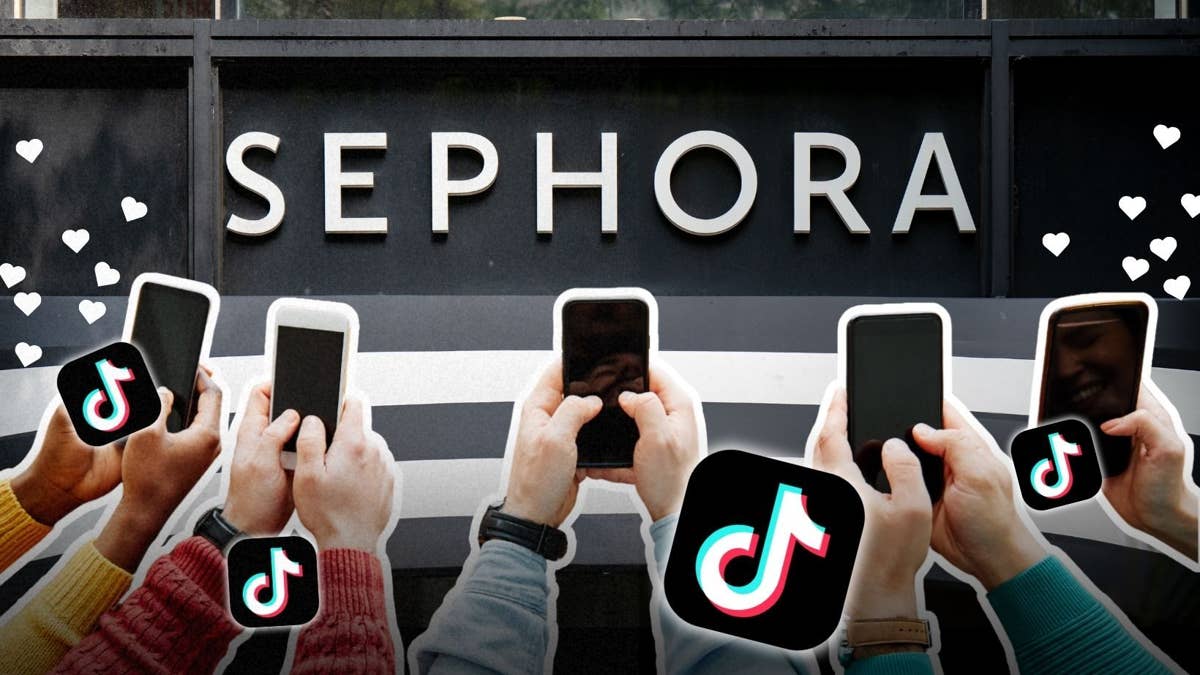
Sephora launches its dedicated TikTok Shop storefront on September 19, betting that live-streaming commerce can drive discovery and urgency among Gen Z beauty shoppers. The Sephora Drop Shop will feature exclusive product releases, creator collaborations, and celebrity-hosted livestreams designed to blur the line between entertainment and retail.
This move positions Sephora directly within TikTok's ecosystem after years of watching beauty brands test the platform's commerce capabilities. The beauty retailer joins competitors like Ulta Beauty in recognizing that social commerce, particularly through livestreaming, has become a non-negotiable channel for reaching younger consumers. TikTok Shop's growth trajectory makes it an obvious beachhead for brands seeking authentic engagement beyond traditional e-commerce.
The Drop Shop strategy centers on scarcity and social proof. Exclusive launches create FOMO, a tactic that works particularly well on TikTok where viral moments drive traffic spikes. Celebrity hosts add credibility and drawing power, while creators bring the micro-influencer authenticity that Gen Z trusts more than traditional advertising. Sephora recognizes that selling makeup through a living, breathing stream feels less transactional than a static product page.
Beauty has historically dominated TikTok content. Makeup tutorials, skincare reviews, and product hauls generate billions of views annually. Sephora's shift transforms these organic content behaviors into a direct sales channel. The retailer essentially monetizes the platform's existing beauty culture while offering creators and celebrities formal partnership structures.
For Sephora, this addresses a persistent challenge: younger consumers increasingly shop through social platforms rather than traditional retail sites. Direct links between entertainment content and checkout reduce friction. A celebrity can demonstrate a new Fenty Beauty collaboration or Drunk Elephant serum in real-time, answer questions, and drive immediate purchase intent. The livestream creates a TV-shopping experience that feels native to TikTok's format.
The competitive landscape explains the urgency. Ulta Beauty launched its TikTok Shop in August 2023 and has refined the model over eighteen months. Estee Lauder and Revlon maintain presence on the platform. Smaller, digitally-native beauty brands like Rare Beauty have built massive TikTok followings organically. Sephora's official entry signals that the channel has moved from experimental to essential for the $100 billion global prestige beauty market.
Exclusive product drops add another layer. Limited releases create collector mentality and inventory scarcity that encourages immediate purchases. A 48-hour window for a new palette or skincare set generates urgency that evergreen inventory cannot match. Celebrity involvement raises stakes further. When a makeup artist or beauty influencer co-creates a product visible only through these drops, the perceived value increases.
The creator economy integration matters too. Sephora's platform directly compensates content creators and celebrities for their participation, legitimizing influencer marketing while ensuring professional production quality. This differs from organic TikTok content where creators must negotiate with brands individually. A formal Drop Shop program streamlines these relationships at scale.
For consumers, the experience democratizes access to celebrity and creator expertise. Beauty fans get real-time product education from trusted personalities without traveling to retail locations or waiting for traditional media coverage. Questions answered instantly. Returns processed through a major retailer. The livestream removes barriers between desire and purchase.
Sephora's September 19 launch doesn't invent social commerce. It recognizes that beauty shopping on TikTok has become a behavioral norm. The Drop Shop simply codifies what the platform already does naturally.