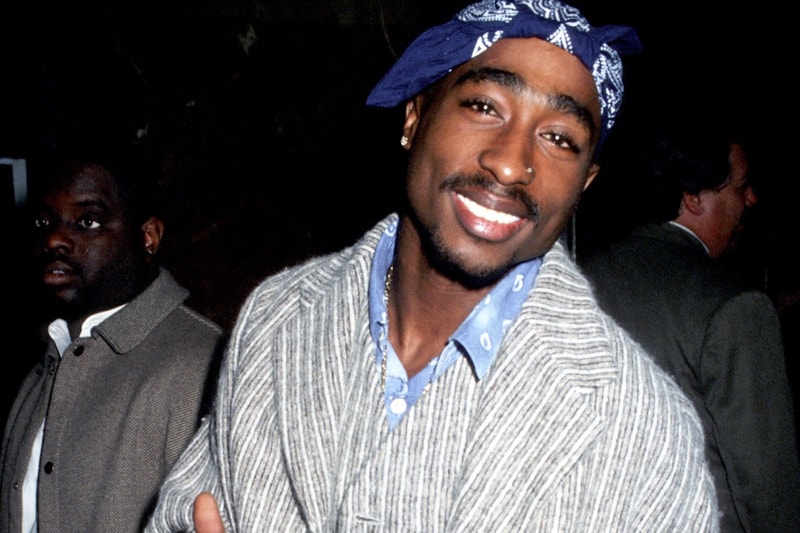
A Las Vegas jury has convicted Duane "Keffe D" Davis of first-degree murder in the 1996 death of Tupac Shakur, resolving one of hip-hop's most persistent mysteries. The 63-year-old former Compton gang figure faced trial for his role in the shooting that killed the rap icon outside a Las Vegas nightclub on September 7, 1996.
Prosecutors built their case on a different theory than traditional murder trials. They never argued Davis pulled the trigger. Instead, they positioned him as the orchestrator, the gang shot-caller who set the killing in motion. This legal framework recognizes Davis's alleged authority within gang hierarchies and his supposed role in ordering the execution. The distinction matters. It reflects how organized crime operates across street-level hierarchies, where orders flow from above and subordinates execute them.
The conviction carries enormous cultural weight. Tupac's death, alongside the 1997 murder of Biggie Smalls, defined hip-hop's most turbulent era. These killings spawned the East Coast-West Coast rivalry narrative that dominated 1990s popular culture. The cases remained unsolved for decades, fueling conspiracy theories, documentaries, and endless speculation within the music industry.
Davis's connection to the killing surfaced through his own admissions. In 2023, the then-61-year-old confessed his involvement during an interview with podcaster Art of Dialogue, claiming he was a passenger in the vehicle that pulled alongside Tupac's BMW. This confession contradicted decades of denial and opened a path toward prosecution. Las Vegas authorities, armed with this testimony and additional evidence, finally moved forward with charges against Davis.
The timing reflects shifts in how cold cases are investigated and prosecuted. Advanced forensic methods, witness cooperation programs, and increased pressure from cold case units have revived prosecutions that seemed permanently stalled. The Tupac case benefited from renewed attention after decades dormant in investigative limbo.
For hip-hop culture, this conviction provides narrative closure on an era-defining tragedy. The 1990s East Coast-West Coast conflict shaped the genre's identity, commercial trajectory, and internal politics. Tupac's death at 25 cut short an artist at peak creative and commercial power. His discography remains canonical. His influence on subsequent generations of rappers remains unmatched.
The conviction also raises questions about gang-related violence and its legacy within hip-hop. The genre emerged partly from street culture, and artists often cultivated authenticity through association with gang affiliations. Tupac himself navigated complex relationships with gang figures throughout his career. His murder represented a collision between street violence and mainstream music celebrity.
For Davis, the first-degree murder conviction carries a life sentence. The jury rejected lesser charges and accepted the prosecution's theory that his role as a gang leader made him responsible for the execution, even without firing shots himself.
The case now enters appellate phases where Davis's legal team will challenge conviction legitimacy and evidentiary decisions. Still, the guilty verdict marks a turning point. Hip-hop's generation-long mystery finally has a courtroom resolution. Whether this satisfies the cultural desire for closure remains separate from legal accountability. The music world moves forward knowing one of its darkest chapters has reached judicial conclusion.