# Emerging Designers Reshape Luxury Resale, Old Navy Pivots to Beauty, Seoul Style Takes Center Stage
The luxury resale market continues its evolution as emerging designers gain unexpected traction, signaling a fundamental shift in how consumers discover and value new talent. The secondary market has become a legitimate discovery engine for fashion's next generation, with collectors and fashion-forward shoppers actively seeking out limited pieces from lesser-known labels. This trend reflects broader consumer appetite for exclusivity and authenticity that traditional wholesale channels struggle to deliver.
The resale acceleration matters because it bypasses the gatekeeping structure that has historically controlled designer visibility. A decade ago, emerging designers relied on fashion weeks, editorial coverage, and retail placement to build credibility. Today, pieces appear on Vestiaire Collective, Grailed, and Depop weeks after collection launches, often commanding premium prices. Collectors treat debut collections like early equity investments, recognizing that scarcity and narrative drive value. The phenomenon democratizes fashion discovery. A vintage buyer in Minneapolis can now spot an emerging Seoul-based designer before that label secures Paris Fashion Week staging.
Old Navy's entry into the beauty category represents a different kind of market expansion. The Gap subsidiary, historically confined to accessible apparel, now competes directly with Sephora-adjacent brands and celebrity beauty lines. The move follows industry pattern where retail conglomerates leverage existing customer bases to enter adjacent categories. Old Navy's customer demographic skews young and value-conscious, aligning with Gen Z preferences for beauty buys from unexpected retail partners. This positions Old Navy alongside urban outfitters and other lifestyle retailers that blur category boundaries.
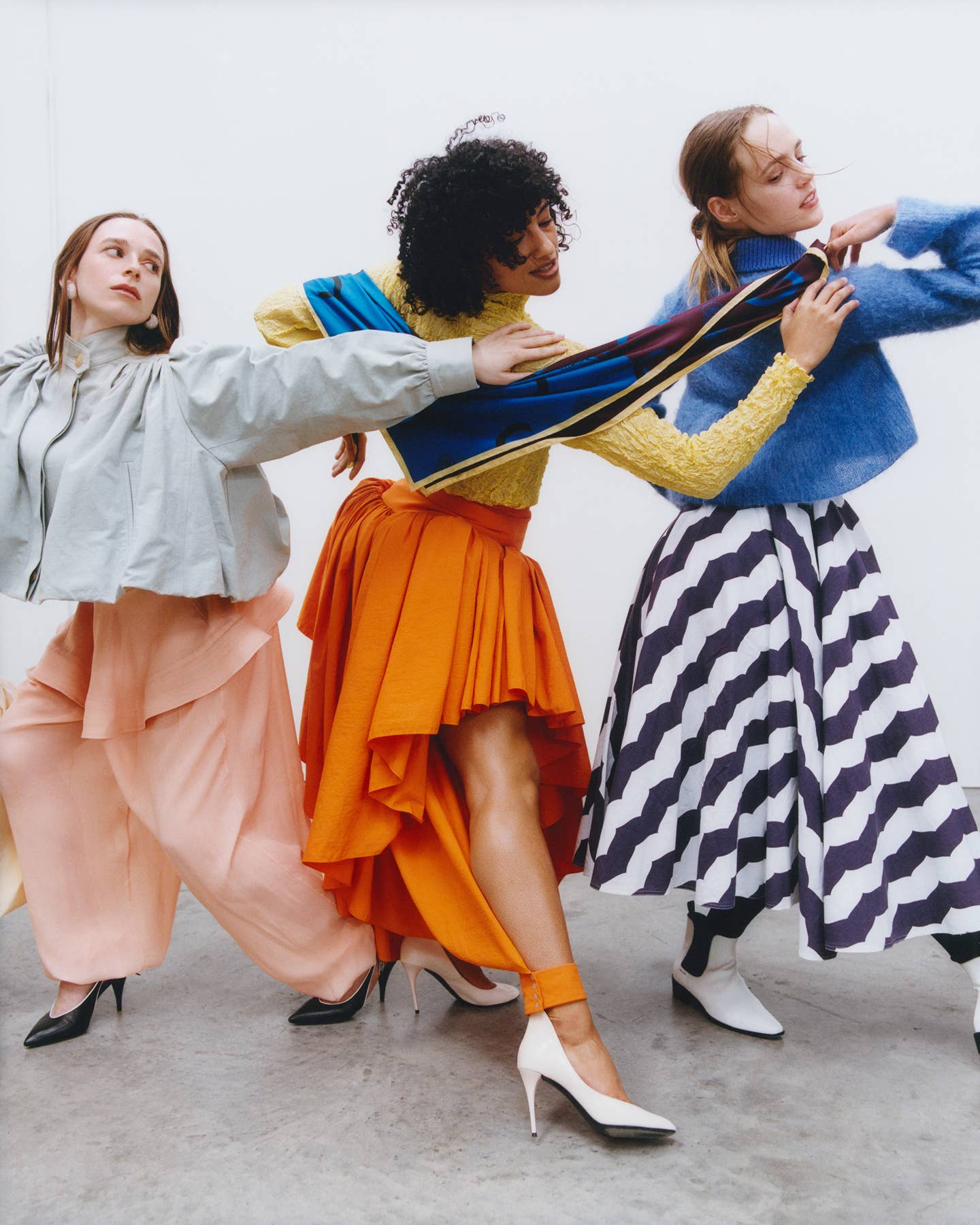
Erica Choi's Seoul guide captures another trend reshaping global fashion discourse. The Korean capital has become a legitimate style incubator, rivaling Tokyo and London as a source of design innovation. Seoul's aesthetic favors oversized silhouettes, bold color blocking, and architectural proportions that filter through mainstream fashion within seasons. Choi's platform amplifies Korean designers and stylists who previously struggled for international recognition. Her editorial voice legitimizes Seoul not merely as a tourist destination but as a creative capital with distinct design philosophy.
These three stories interconnect around democratization. Emerging designers gain platforms outside traditional gatekeepers. Retailers expand categories to capture customer attention and wallet share. Geographic style centers shift beyond established fashion capitals. The common thread: the industry is disaggregating. Power once concentrated in a few hands spreads across platforms, retail formats, and geographies.
The resale market's role deserves particular attention. By reducing friction between creator and customer, platforms enable designers to build direct audiences. A Korean emerging brand can sell limited quantities through Instagram, watch resale prices climb on Depop, and use that momentum to secure conventional retail placement. This flywheel model rewards authentic brand building over marketing spend. Established fashion houses notice. They court emerging designers for acquisitions and collaborations, recognizing that cultural cachet now originates in unexpected places.
Old Navy's beauty launch signals retail's ongoing transformation into lifestyle destinations. Apparel retailers no longer accept single-category limitations. Sephora proved beauty drives traffic and margin. Old Navy follows. Expect similar moves from other accessible-priced retailers seeking customer lifetime value expansion.
Seoul's elevation in global discourse reflects genuine creative output, not trend tourism. The city produces consistent design innovation. Choi's curation accelerates what was already happening, giving international audiences permission to care about Korean fashion on its own terms rather than as trend derivative.