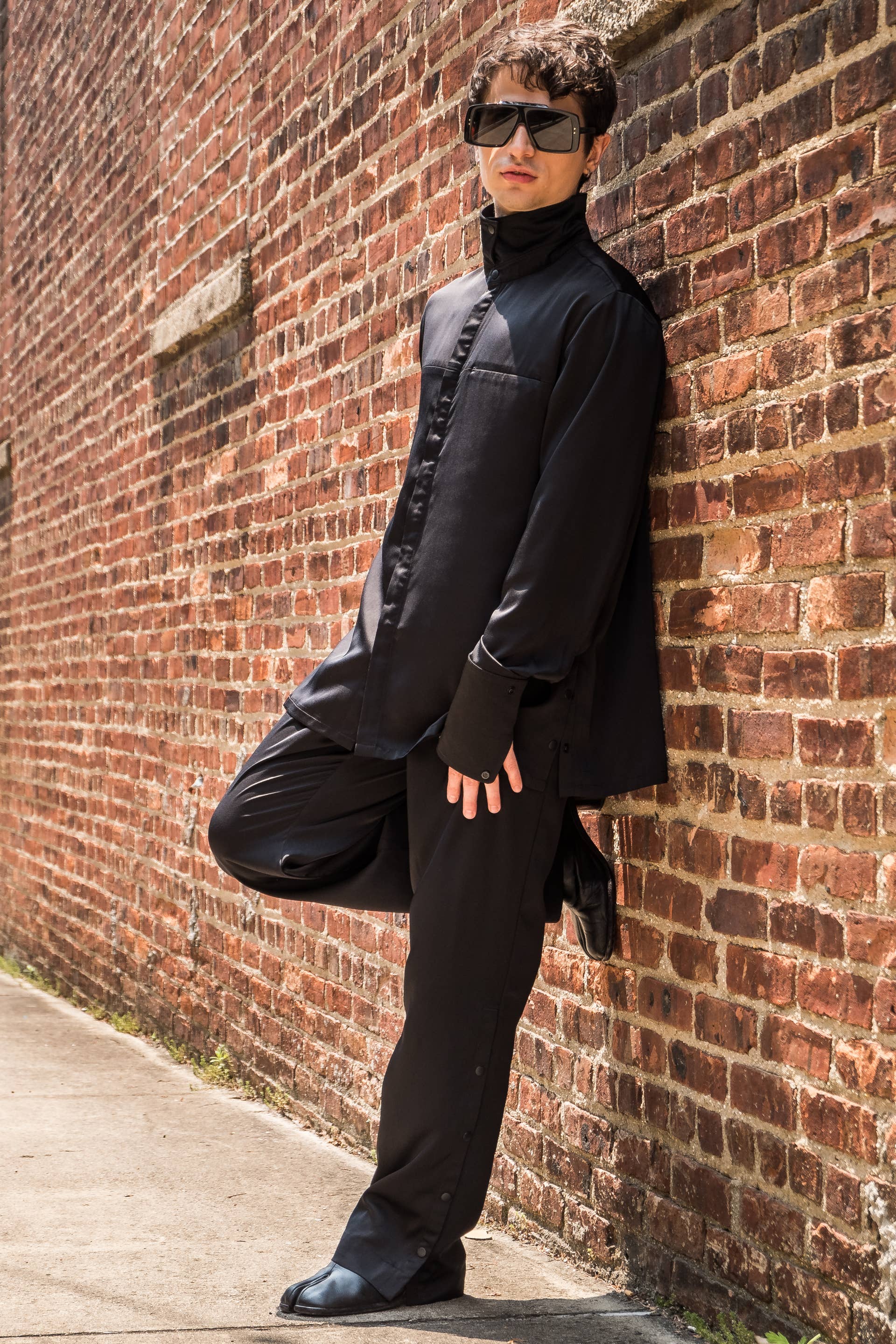
# Soul-A Launches Sun-Protective Apparel for Daily Wardrobes, Built on Dermatology Science
Dr. Angelo Landriscina, a board-certified dermatologist, has founded Soul-A, a sun-protective clothing brand that repositions UV defense as everyday fashion rather than niche sportswear. The launch signals a shift in how the fashion industry approaches functional clothing, merging dermatological science with accessible design.
Landriscina's background in dermatology informs Soul-A's approach. Rather than targeting only athletes or beachgoers, the brand creates pieces designed for urban wear, commutes, and casual life. This positions sun protection as a daily skincare necessity rather than seasonal concern. The move reflects growing consumer awareness around UV damage and skin cancer prevention, particularly melanoma rates that continue rising among younger demographics.
Sun-protective apparel exists as a category, but remains largely confined to performance brands like Coolibar and Solbari, which command premium prices and often read as technical or sporty. Soul-A enters the market with a different thesis. By working with a dermatologist founder, the brand can communicate clinical credibility while designing for style-conscious consumers who reject the appearance of "athletic wear."
The timing matters. The skincare industry has spent years educating consumers on SPF in daily moisturizers and foundations. Luxury houses like La Roche-Posay and Neutrogena built massive businesses on sunscreen ritualization. Soul-A extends that logic to outerwear, suggesting that sun protection should integrate seamlessly into existing wardrobes rather than require special purchases.
Fashion brands increasingly blur functional and lifestyle categories. Allbirds normalized sustainability messaging in casual footwear. Lululemon transformed activewear into streetwear. Patagonia built a billion-dollar empire on environmental accountability. Soul-A follows this playbook. A dermatologist leading the company creates immediate differentiation. Consumers trust medical professionals more than marketing claims.
The broader context matters too. Dermatologists have warned for years that casual sun exposure causes cumulative damage. UVA rays penetrate clouds and glass, making daily protection necessary even during winter or inside cars. Most Americans ignore this advice. A fashionable, accessible option could shift behavior.
Soul-A must navigate several challenges. Premium positioning alienates price-sensitive consumers. Mass-market positioning undermines scientific credibility. The brand needs to communicate that sun protection works without sounding preachy. Labels like "dermatologist-approved" have become commodified across beauty and personal care. Soul-A must prove its founder's involvement shapes actual product design, not just marketing.
The competitive landscape includes both direct and indirect competitors. Direct competitors offer functional sun wear. Indirect competitors include everyday brands adding UV-blocking fabrics as secondary features. Outdoor brands like Columbia and REI Co-op sell sun-protective lines. Fast fashion retailers increasingly stock basic sun shirts.
Soul-A's success depends on execution. Can the brand create genuinely stylish pieces that don't sacrifice functionality? Can it maintain credibility with dermatologists while building fashion credibility? Can it scale without losing identity?
The brand enters a market increasingly receptive to preventative health woven into daily life. Workwear brands emphasize ergonomics. Footwear brands highlight arch support. Athleisure blurs performance and leisure. Soul-A takes that integration further, suggesting your everyday clothing should actively protect you.