# Beiin Launches Minimalist Body-Care Line as California Brand Taps Everyday Luxury Market
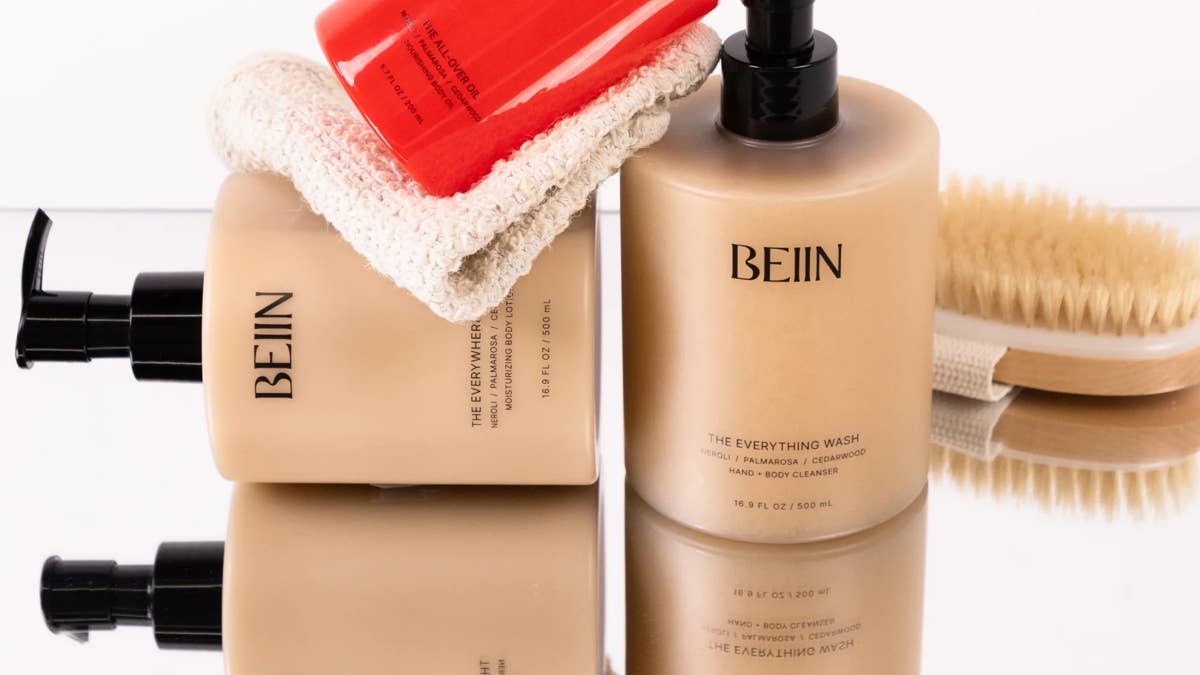
Beiin, a new California-based body-care brand, entered the market in 2025 with a stripped-down three-product lineup designed for daily use. The brand's minimalist approach mirrors a broader industry shift toward essential-only skincare and body products that prioritize quality over quantity.
The collection comprises a body wash, lotion, and oil. This focused product range signals Beiin's philosophy: consumers want effective, no-frills formulations they can integrate seamlessly into existing routines. The name itself, pronounced "be in," suggests an intentionality around presence and mindfulness. That positioning aligns with wellness-adjacent branding that has saturated the beauty market over the past three years, yet Beiin's emphasis on everyday accessibility sets it apart from premium luxury players.
California's dominance in the beauty and wellness sector continues. The state remains a launching pad for indie and direct-to-consumer brands that leverage clean beauty narratives and direct relationships with consumers. Beiin joins a crowded field of body-care startups, but its three-product approach feels deliberate in an era of maximalism. Brands like Osea, Herbivore Botanicals, and Drunk Elephant built substantial followings from California bases. Beiin's timing suggests the brand expects consumers to respond favorably to restraint.
Body-care categories have exploded in recent years. Luxury conglomerates acquired indie body-care brands at premium valuations. Augustinus Bader expanded into body care. Even niche fragrance houses bundled body products into gifting collections. Beiin's entry suggests the category remains underserved for consumers seeking functional, everyday products without excessive pricing or packaging waste.
The three-product strategy also reflects supply-chain realities. Launch with fewer SKUs allows brands to manage inventory, gather customer feedback rapidly, and expand later based on actual demand rather than projected trends. It's a lesson learned from the oversaturation of the skincare market, where new brands often launch with 8-12 products only to discontinue half within two years.
Beiin's positioning as a "California-based" brand carries weight. The regional identity conveys access to clean ingredients, sunshine, and wellness culture. Whether Beiin manufactures in California remains unclear, but the messaging leverages West Coast credibility. That narrative has proven effective for brands targeting millennial and Gen Z consumers who value transparency and localism, even when actual production happens elsewhere.
The body-care market continues fragmenting into subcategories. Brands now target specific concerns: eczema-prone skin, hyperpigmentation, fragrance sensitivity, and climate-adaptive moisture. Beiin's generic positioning suggests either an early-stage approach or confidence in an uncluttered value proposition. Consumers fatigued by marketing complexity may respond.
Distribution remains unconfirmed in available information, but California-based indie brands typically launch direct-to-consumer before pursuing retail placement. Sephora and specialty retailers increasingly allocate shelf space to emerging body-care brands, sensing growth potential. Beiin's future expansion likely depends on early customer acquisition and retention metrics.
The 2025 landscape favors brands that solve real problems efficiently. Beiin's launch demonstrates that even in saturated categories, there remains room for honest, focused product offerings. Success depends on execution, ingredient quality, customer service, and whether the brand can build community beyond novelty.