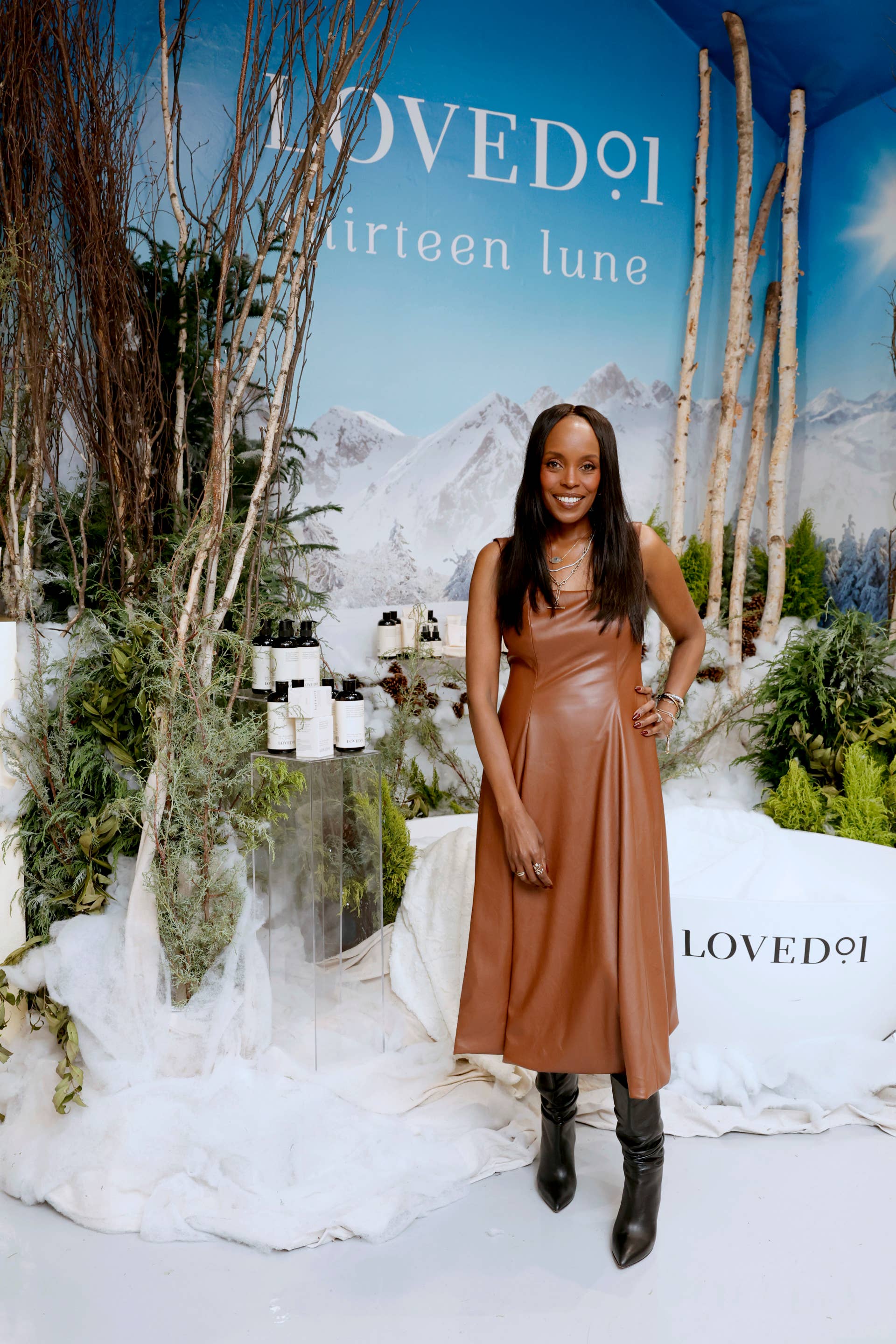
Nyakio Grieco has regained full ownership of Thirteen Lune, her clean beauty brand that merged with Japanese skincare company Tatcha in 2021. The reacquisition marks a significant shift in Grieco's entrepreneurial trajectory after the beauty entrepreneur sold a majority stake to Tatcha's parent company Unilever three years ago. Terms of the deal remain undisclosed, but Grieco's return to full control signals renewed independence for the wellness-focused brand she founded in 2015.
Thirteen Lune built its reputation on formulations free from synthetic fragrances, parabens, and sulfates, targeting consumers seeking minimalist skincare rooted in natural ingredients. Grieco's acquisition of the brand back from the corporate structure positions her to accelerate product innovation and direct-to-consumer strategy without the constraints of a larger conglomerate. This move reflects broader patterns in beauty entrepreneurship where founders seek to reclaim autonomy after institutional backing, particularly as DTC models prove their staying power against traditional retail distribution.
The reacquisition arrives as the indie beauty sector experiences renewed momentum. Clean beauty no longer occupies a niche. Mainstream consumers now demand transparency around ingredients and sustainability practices. Grieco's hands-on stewardship of Thirteen Lune aligns with this shift and gives her creative control over brand messaging that independent founders often sacrifice during institutional partnerships.
Simultaneously, the art world mourns the passing of Yayoi Kusama, the Japanese artist and cultural icon, who died at age 97. Kusama's polka-dot infinity installations and obsessive creative output shaped contemporary visual culture for decades. Her influence extended well into fashion, where designers repeatedly referenced her signature motifs. Her collaborations with luxury brands like Louis Vuitton cemented her status as a bridge between fine art and commercial aesthetics. Fashion houses from Balenciaga to Supreme drew inspiration from her immersive environments and repetitive pattern language. Her death marks the loss of an artist whose vision fundamentally altered how luxury and streetwear brands approached visual identity and installation-based retail experiences.
In separate corporate news, Meta faces up to eighteen billion dollars in settlement obligations, representing a pivotal moment for social media accountability. The magnitude of these settlements reflects growing pressure on tech platforms regarding data privacy, content moderation, and user protection. For the fashion and luxury industries, this development carries implications for how brands manage influencer partnerships, targeted advertising, and consumer data collection across Meta's ecosystem of platforms including Instagram and Facebook.
The convergence of these three stories reveals the current state of fashion and beauty entrepreneurship. Independent founders like Grieco are reclaiming ownership at a moment when authenticity and founder-led narratives drive consumer loyalty. Meanwhile, Kusama's legacy demonstrates art's enduring power to shape aesthetic language across industries. Meta's settlements underscore regulatory shifts that will reshape how brands reach consumers through social platforms, potentially limiting the targeting precision that luxury and lifestyle companies have relied upon for customer acquisition. Together, these developments signal a transitional period where ownership models, artistic vision, and platform accountability reshape how fashion businesses operate and communicate.