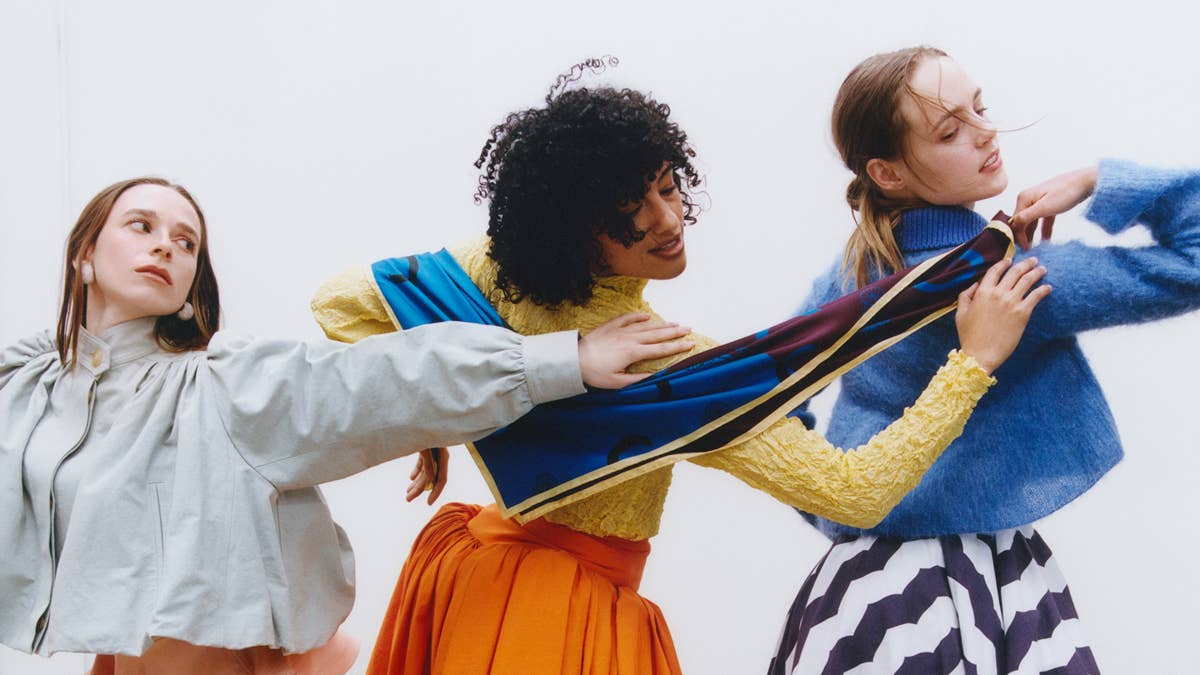
The luxury resale market is experiencing a decisive shift toward emerging independent designers. The RealReal's latest data reveals that secondhand shoppers actively hunt for indie brands including Zankov, Heirlome, and Rùadh, signaling a meaningful departure from the established luxury houses that once dominated resale platforms.
This trend reflects broader changes in how affluent consumers approach fashion consumption. Rather than exclusively recycling vintage Hermès or Chanel pieces, resale shoppers now hunt for contemporary voices from independent designers. These emerging brands offer distinct aesthetic perspectives, limited production runs, and the cultural cache of supporting smaller operations. The shift matters because it democratizes luxury positioning and creates new pathways for indie labels to reach high-net-worth audiences without traditional wholesale partnerships.
Zankov, a New York-based label known for architectural silhouettes and experimental fabrication, has built momentum among fashion insiders through digital-first distribution. Heirlome specializes in handcrafted, heritage-inspired pieces with deliberately limited output. Rùadh, the Irish brand founded by Simone Rocha collaborators, creates narrative-driven collections with strong design coherence. Each represents a different entry point into the emerging luxury space, yet all three command secondary market prices that reflect their desirability among informed buyers.
The RealReal's findings matter within the broader resale ecosystem. Luxury resale platforms have spent the last five years professionalizing authentication and expanding inventory beyond heritage houses. As they've built trust with consumers and scaled operations, the customer base has shifted. Early resale adopters came seeking value on recognizable brands. Today's resale shoppers often prioritize discovery and curation. They want pieces that signal taste rather than logos.
This dynamic benefits emerging designers in concrete ways. Resale provides free marketing and third-party validation. When pieces from an indie brand appear on The RealReal or Vestiaire Collective, it signals scarcity and desirability to potential customers. It also generates data on which designs resell strongest, offering designers insights into consumer preferences without relying on traditional focus groups.
The shift challenges established luxury houses to differentiate beyond heritage. Brands like LVMH and Kering increasingly court younger designers and experimental aesthetics to stay relevant with resale-savvy consumers. Meanwhile, emerging designers now compete for attention not just against each other, but directly against archives of established luxury pieces. Success requires distinctive design, authentic brand narrative, and community building.
Resale platforms themselves benefit from this trend. Diversified inventory attracts broader audiences and creates repeat traffic as collectors hunt for emerging names. The RealReal and competitors have invested in curation teams and editorial content that positions emerging designers as collectible. This positions these platforms as tastemakers rather than discount outlets.
For emerging designers, the resale channel represents both opportunity and constraint. It builds brand awareness and validates design direction, but also means losing direct relationship with customers and capturing only a fraction of resale revenue. Smart emerging designers increasingly view resale as a brand-building tool rather than a threat, creating exclusive capsules for platforms or working with curators to position their archives strategically.
The luxury landscape continues fragmenting. Heritage brands remain stable, but emerging designers now hold growing influence over what affluent consumers consider desirable. The RealReal's data simply confirms what luxury insiders already know: taste is shifting, and indie brands are leading the conversation.