# Korean Beauty Breakthrough: An Under-$30 Body Toner Reshapes Skincare for Sensitive Skin
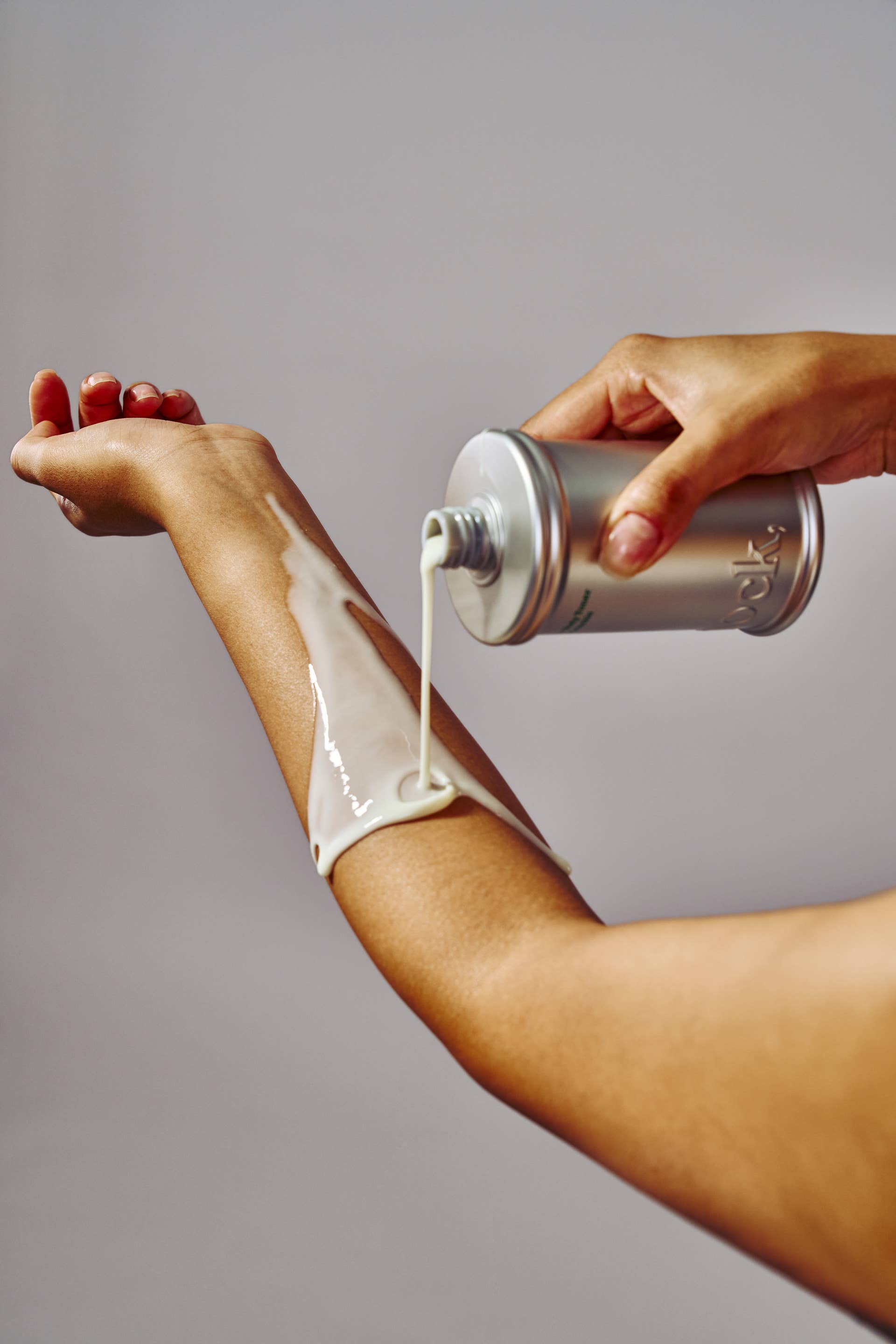
A Korean beauty brand has quietly captured attention with a body toner that defies conventional skincare logic, particularly for consumers with eczema and reactive skin conditions. The product costs less than $30 and addresses a genuine pain point in the market: the tacky, uncomfortable residue left by traditional body moisturizers.
The rise of K-beauty body tonics represents a larger shift in how Asian skincare brands approach hydration and treatment. Unlike American and European brands that rely on heavy creams and lotions, Korean formulations prioritize lightweight hydration through layering multiple thin products, each absorbing quickly without leaving visible buildup on skin. This methodology gained mainstream traction after brands like COSRX, Purito, and Isntree demonstrated that minimalist, ingredient-focused formulations could outperform complex, expensive alternatives.
The emerging brand's body toner exemplifies this philosophy. Rather than functioning as a traditional toner that preps skin for other products, this body treatment exists as a standalone hydrating layer. The formulation likely incorporates humectants such as glycerin or hyaluronic acid alongside soothing ingredients like centella asiatica extract or beta-glucans, ingredients common in K-beauty lines targeting reactive skin. For eczema-prone consumers, this matters tremendously. Heavy occlusive moisturizers can trap heat and bacteria, worsening inflammation. A lightweight, fast-absorbing toner provides hydration without that barrier effect.
The sub-$30 price point positions this product at the accessible luxury tier, undercutting dermatologist-recommended brands like CeraVe and Eucerin while offering the aesthetic and formulation sophistication consumers now expect from Korean skincare. This pricing strategy reflects how K-beauty has democratized premium skincare. Ten years ago, purchasing effective body treatments required spending $40 to $60 on European luxury lines. Now, Korean brands deliver comparable or superior results at half the cost.
Body care remains a growth category across the beauty industry. Consumers increasingly extend their facial skincare rituals to their bodies, treating conditions like keratosis pilaris, eczema flare-ups, and general dryness with targeted products rather than generic body lotions. Brands like Augustinus Bader, Olaplex, and La Roche-Posay have capitalized on this trend by marketing body treatments with clinical-sounding ingredients and dermatologist credibility. The Korean brand in question competes by emphasizing sensorial experience alongside efficacy, a distinctly K-beauty marketing approach.
The toner's success among eczema-prone users underscores how niche formulations drive word-of-mouth momentum in beauty. Consumers with reactive skin conditions represent a dedicated, vocal community online. They research ingredients meticulously, test products cautiously, and advocate passionately when something works. One positive review from a trusted source in eczema communities generates exponential awareness and trial.
This emerging K-beauty brand enters a market increasingly saturated with body treatment options, yet fragmented by specific skin concerns. Dermatologists traditionally dismissed body skincare as unnecessary, but clinical evidence now supports targeted treatments for conditions like eczema and psoriasis. The brand's sub-$30 positioning, clean ingredient profile, and demonstrated effectiveness for sensitive skin positions it to capture market share from both premium and mass-market competitors.
Korean beauty's dominance in global skincare continues expanding. This body toner exemplifies why. K-beauty brands understand that efficacy, sensorial pleasure, and affordability need not compete. They design products that feel luxurious, perform reliably, and fit consumer budgets simultaneously, a formula American and European brands struggle to replicate.