# Emerging Fashion Brands Double Down on L.A. Manufacturing While JW Anderson Shutters Zara Speculation
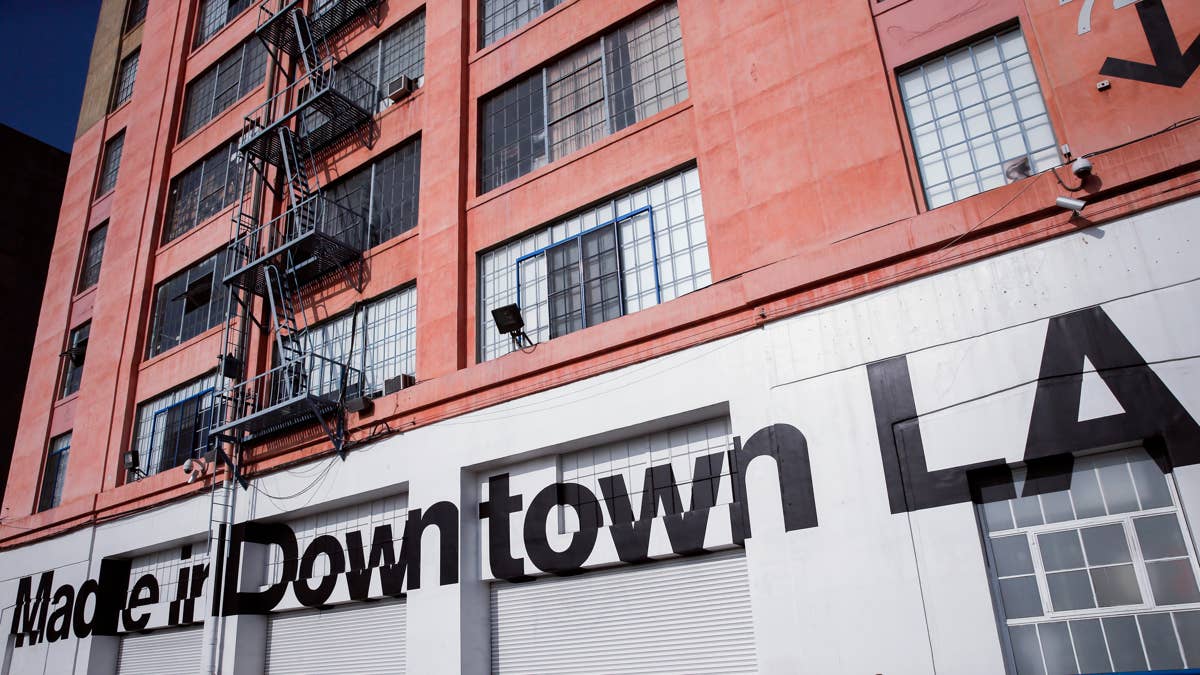
Los Angeles has become an unexpected manufacturing hub for emerging fashion brands seeking alternatives to overseas production. A growing number of independent designers and smaller labels now choose domestic manufacturing in Southern California over traditional overseas facilities in Asia and Europe. This shift reflects changing priorities in the industry: speed to market, supply chain transparency, and alignment with sustainability expectations from consumers and retailers alike.
Brands betting on L.A. production cite faster turnaround times as a primary advantage. From design conception to finished product, domestic manufacturing can reduce lead times by months compared to overseas counterparts. For emerging labels operating with limited capital and inventory space, this agility proves essential. A six-month production cycle becomes a two-month cycle. That acceleration lets designers test styles in real time, adjust based on early sales data, and avoid the dead inventory that bankrupts underfunded startups.
The economics have shifted too. Labor costs remain higher in California than Vietnam or Bangladesh, but improved logistics, reduced shipping fees, and the elimination of tariffs on domestic goods offset those expenses for many operations. Rising import duties introduced over the past five years have made Asian manufacturing more expensive. A dress produced in Los Angeles now competes on price with pieces manufactured abroad, especially when factoring in time savings and inventory carrying costs.
Sustainability storytelling matters as well. Retailers increasingly demand supply chain documentation. Emerging brands can walk buyers through their manufacturing relationships, labor practices, and material sourcing in ways that build trust. "Made in L.A." carries marketing weight among contemporary consumers and wholesale partners seeking ethical production narratives.
Meanwhile, JW Anderson moved swiftly to deny circulating rumors of a collaboration with Zara. The Irish designer brand released a statement clarifying that no partnership exists with the Inditex-owned fast-fashion giant. Such denials typically emerge when market speculation threatens brand positioning. For JW Anderson, association with mass-market retail could dilute the designer's carefully maintained prestige positioning and contemporary-luxury brand identity. The brand prioritizes selective distribution through high-end department stores and its own channels. Collaboration with Zara would fundamentally alter that strategy and alienate wholesale partners who depend on exclusivity.
The timing of the denial suggests the rumor gained traction on social media and trade channels. In fashion's accelerated information cycle, designers now must respond publicly to speculation that previous generations could ignore. JW Anderson's swift denial reflects industry norms where brand equity and perceived positioning require active management against unwanted narratives.
In retail real estate news, Palisades Village in Pacific Palisades completed its reopening following extensive renovations. The luxury shopping destination now features updated architecture, expanded tenant roster, and enhanced outdoor spaces. For affluent West Coast consumers and visiting tourists, the reopened center represents another curated shopping environment competing for discretionary spending alongside Beverly Hills, Melrose Avenue, and other established fashion destinations.