# Frasers Group's Harvey Nichols Acquisition Reshapes UK Luxury Retail; Tapestry Posts Strong Q4
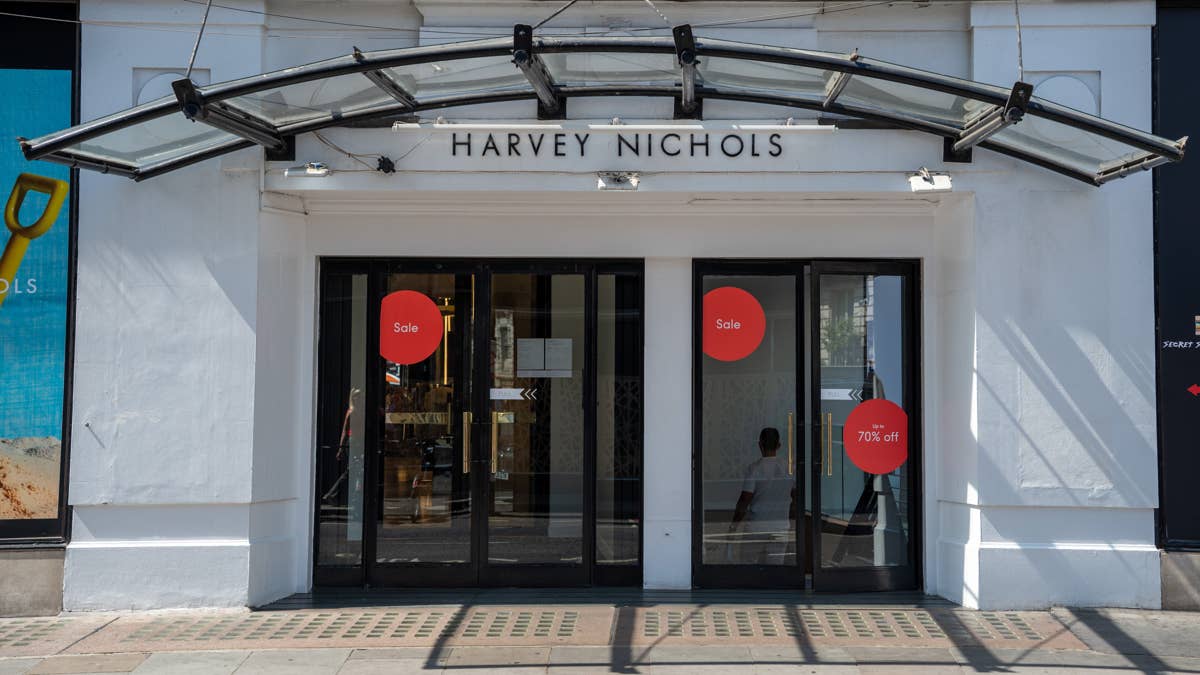
Frasers Group completed its acquisition of Harvey Nichols, marking a transformative moment for British luxury retail. The purchase consolidates Frasers' position as the UK's dominant multi-brand retailer, adding the storied Knightsbridge flagship and Harvey Nichols' seven international locations to its portfolio alongside Harrods, House of Fraser, and Sports Direct. The deal accelerates Frasers' strategy to control premium real estate and customer relationships across luxury, lifestyle, and value segments.
Harvey Nichols, founded in 1831, has operated as an independent institution for decades. The acquisition under billionaire Mike Ashley's Frasers umbrella signals a shift toward vertical integration in British luxury distribution. Frasers gains not only the iconic Knightsbridge store but also established prestige positioning and vendor relationships that Harrods alone could not command. The move consolidates buying power and allows Frasers to negotiate more aggressively with designer houses globally.
For designer partners, the consolidation presents complexity. Brands that maintain relationships with both Harrods and Harvey Nichols now answer to a single stakeholder. This concentration of retail power in Frasers' hands gives the group leverage in margin negotiations with luxury houses. Smaller brands may face pressure to accept terms dictated by a retailer controlling multiple premium doors. Larger houses like LVMH and Kering retain negotiating strength but lose optionality in the UK market.
Meanwhile, Tapestry Inc. reported a 9% revenue spike in Q4, driven by strength at Coach and continued momentum at Tapestry's heritage brands. The New York-based luxury conglomerate owns Coach, Kate Spade, and Stuart Weitzman. Q4 performance reflects holiday-season resilience and successful full-price selling. The results demonstrate that accessible luxury continues to outpace ultra-premium categories amid economic uncertainty. Tapestry's strategy of elevating heritage American sportswear brands into prestige players continues yielding returns.
Marc Jacobs unveiled its Fall 2026 campaign, reinforcing the designer's commitment to directional, youth-focused aesthetics. The campaign maintains Jacobs' signature provocative stance and appeals to Gen Z consumers who value authenticity over heritage lineage. Jacobs' positioning between high fashion and contemporary sportswear resonates with digitally native audiences. The campaign timing signals Marc Jacobs' confidence in direct-to-consumer channels and social media placement over traditional wholesale dependency.
These three developments reveal divergent strategies across fashion's ecosystem. Frasers pursues consolidation and scale in physical retail, betting that unified luxury infrastructure creates competitive advantage. Tapestry leans into accessible luxury and brand elevation, capturing middle-market consumers trading up. Marc Jacobs doubles down on directional design and digital natives, prioritizing cultural relevance over retail distribution breadth.
The landscape rewards different models simultaneously. Frasers' control of inventory and vendor relationships amplifies profitability per square foot. Tapestry's diversified portfolio insulates it from single-brand performance volatility. Marc Jacobs' direct engagement with consumers bypasses wholesale margin compression. Each strategy reflects where capital and customer attention concentrate in contemporary luxury.