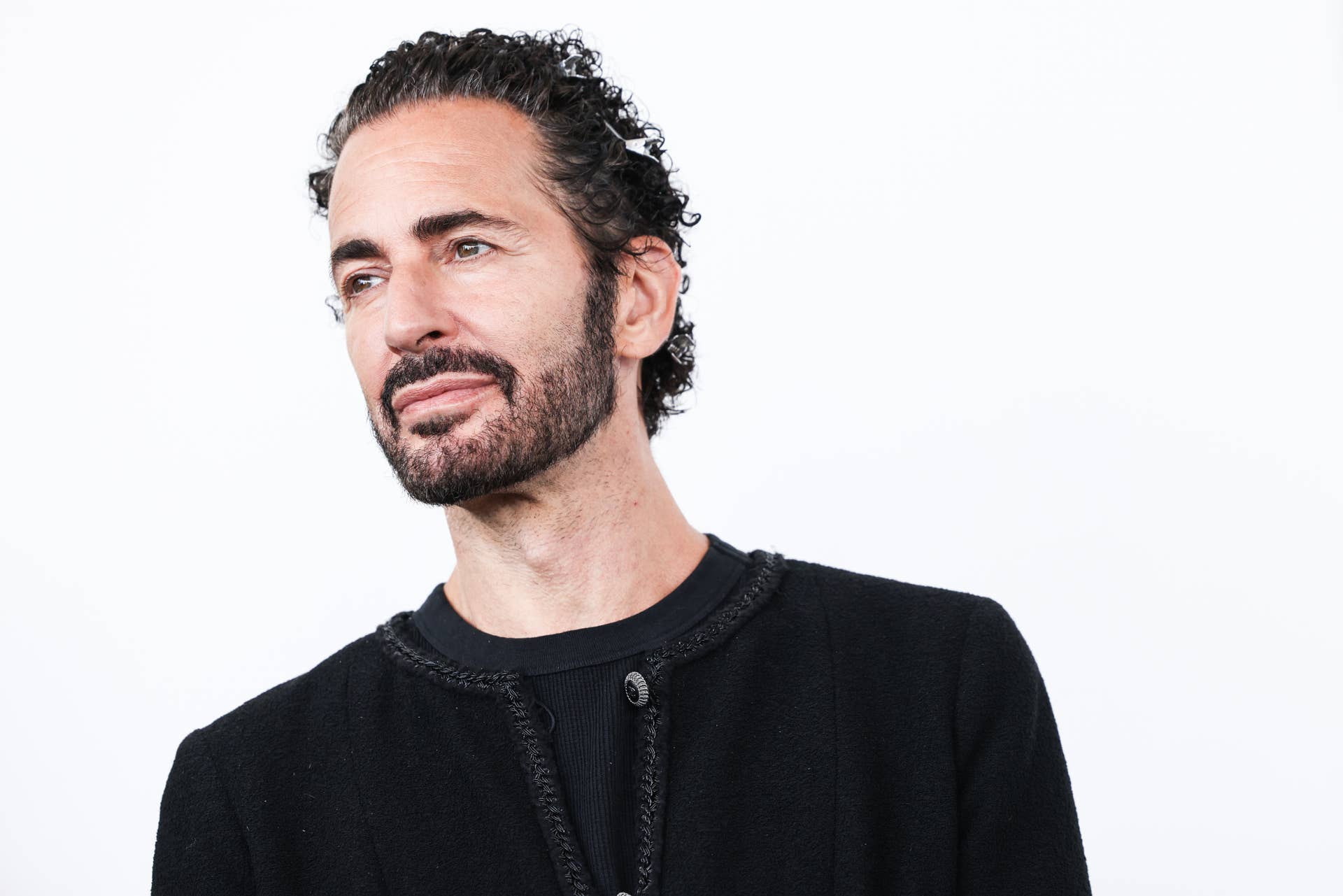
Marc Jacobs graces the cover of Vanity Fair in a high-profile feature that underscores the designer's continued relevance in fashion discourse. The iconic designer sits down to discuss his creative evolution, legacy, and current trajectory as he navigates the contemporary luxury landscape.
Céline Dion commands the cover of Harper's Bazaar, cementing her status as a cultural icon with crossover appeal beyond music. The Canadian powerhouse appearance reflects the magazine's strategy of leveraging celebrity magnetism to drive newsstand sales and digital engagement.
On the retail front, Abercrombie & Fitch's Chief Marketing Officer has departed the company to join Vuori, a performance lifestyle brand that has gained substantial momentum in the athleisure sector. The move signals talent migration toward emerging brands with stronger growth trajectories. Vuori's recruitment of established CMO-level talent demonstrates the brand's ambitions to scale beyond its core customer base and compete more aggressively with established players like Lululemon and Nike.
This executive shift reflects broader industry consolidation and the shifting hierarchy of where top talent invests its energy. While Abercrombie has undergone significant brand rehabilitation in recent years, Vuori's trajectory offers a different kind of opportunity. The performance and lifestyle space continues outpacing traditional retail, particularly among younger, digitally native consumers who prioritize functionality and wellness-focused positioning.
These three developments capture the current state of fashion media and corporate infrastructure. Legacy designers still command magazine covers that drive cultural conversation. Celebrity crossover remains a proven strategy for amplifying brand messaging. And talent continues flowing toward growth-stage companies reshaping category definitions. The fashion industry's gravitational center shifts incrementally, but these movements track the direction clearly.