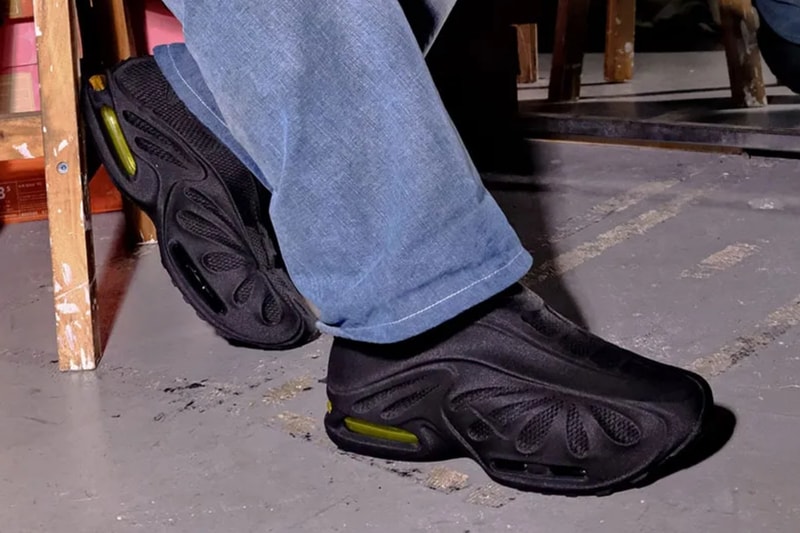
Nike moves into additive manufacturing with its Air Works Program, unveiling a 3D-printed prototype developed with Zellerfeld. The silhouette, designed by Blue Room's Motoi Hatsuki, represents a significant shift in how the brand approaches footwear construction.
The sneaker ditches conventional manufacturing entirely. A single 3D-printed piece replaces traditional stitching, overlays, and assembly methods. The result reads minimal, monochromatic, and slip-on ready. This one-piece construction eliminates waste inherent to traditional sneaker production, where multiple components require gluing, stitching, and layering.
The Air Works Program marks Nike's formal entry into a space where sustainability meets innovation. Zellerfeld's additive technology enables on-demand production, reducing inventory bloat and material offcuts. Other brands including Adidas and New Balance have experimented with 3D printing, but Nike's scale and resources position this collaboration differently. The Swoosh reaches millions of consumers daily, meaning even a niche program gains visibility.
Motoi Hatsuki's design language strips away Nike's typical design vocabulary. No visible branding dominates the upper. The slip-on profile suggests comfort over athletic performance, targeting lifestyle wear rather than court or running categories. This positioning opens new consumer segments willing to pay premium prices for manufacturing novelty.
The prototype's monochromatic palette hints at the current state of 3D printing technology. Color customization remains challenging at scale, though Zellerfeld's capabilities may change that landscape. Future iterations likely explore finishes, textures, and eventually multi-color options.
Release timing remains unconfirmed, signaling Nike's cautious approach. The Air Works Program needs production refinement before mass market launch. Pricing will dictate adoption rates, especially against traditional sneaker tiers. Early adopters