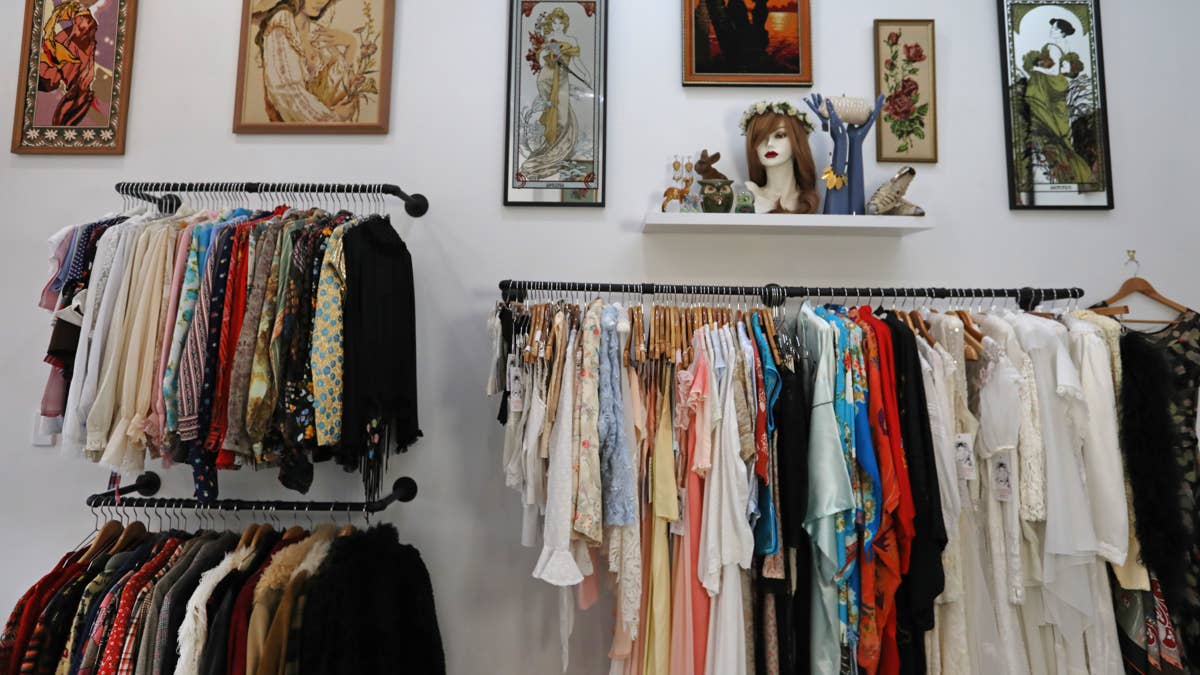
Small-town independent retailers are reshaping the fashion and beauty landscape in ways that challenge big-box retail dominance. Wholesale data from Faire reveals that local, independent shops are outperforming major city chains, signaling a decisive shift in consumer behavior and inventory movement.
The data underscores a fundamental market truth: localized retail thrives when it offers curated selection and genuine community connection. Independent boutiques in smaller markets command stronger inventory turnover and customer loyalty than their urban counterparts. This performance gap reflects broader consumer fatigue with chain homogeneity and growing appetite for distinctive, locally-sourced product assortments.
For fashion and beauty brands, the implications run deep. Direct wholesale relationships with independent retailers have become increasingly valuable. Smaller retailers can move inventory faster, build authentic brand ambassadors, and create genuine discovery moments that algorithm-driven e-commerce cannot replicate. Beauty brands particularly benefit from this dynamic, where personal recommendation and trust carry outsized weight in purchasing decisions.
The wholesale shift also pressures luxury and mainstream brands to reconsider distribution strategy. Cramming products into every major city chain dilutes brand identity and creates margin compression. Selective placement in curated independent shops amplifies perceived exclusivity and maintains pricing power.
This moment reflects a broader cultural correction. After years of consolidation and e-commerce expansion, consumers actively seek alternatives to faceless retail experiences. Independent shops deliver personality, curation, and local rootedness that chains struggle to authentically provide. Social media amplifies this advantage, turning small-town boutiques into destinations worthy of following and visiting.
For emerging designers and indie brands, local retail networks offer pathways to market without massive e-commerce spend. Independent retailers serve as tastemakers and filters, helping new labels gain credibility and access audiences predisposed to discovery.
The data validates what many industry observers suspected: retail's future depends less on square footage and more