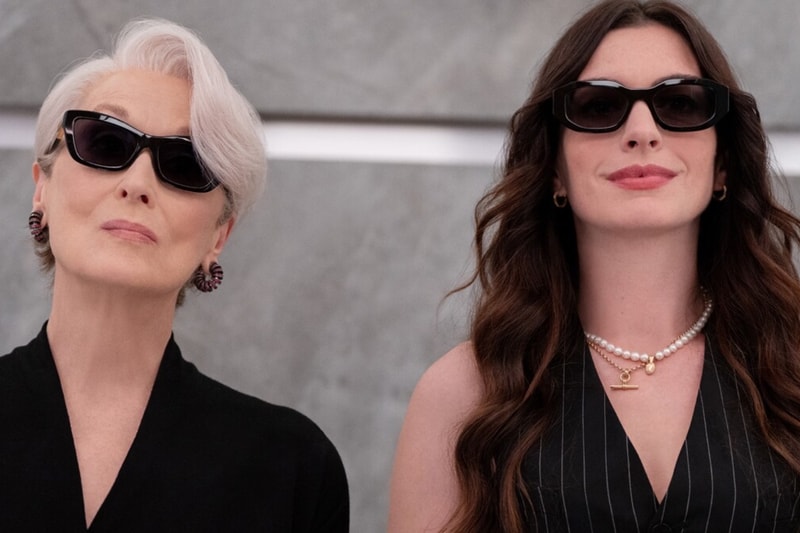
David Frankel's sequel to The Devil Wears Prada arrives 20 years after the original with something the fashion world actually needs to see. Writer Aline Brosh McKenna crafts a narrative that justifies the film's existence by confronting the collapse of legacy media and the professionals who built careers during its decline.
The film reunites Anne Hathaway as Andy Sachs, the former assistant who abandoned Runway magazine in the first film. Now, the sequel explores what happens when the industry itself transforms. Frankel and McKenna dig into how print media faces extinction while the people who thrived in that ecosystem fight to remain relevant. This shift mirrors the real fashion industry's reckoning with digital disruption and the rise of influencer culture over traditional gatekeepers.
The original 2006 film, starring Meryl Streep as the formidable Miranda Priestly, became a cultural touchstone for its portrayal of fashion industry ambition and the cost of climbing its ladder. That film ended decisively, with Hathaway's character choosing integrity over advancement. A sequel carried genuine risk of undoing that earned conclusion.
Instead, The Devil Wears Prada 2 reframes the stakes entirely. Rather than retreading the first film's power dynamics, it examines what happens when the institutions themselves crumble. This positions the story within the broader fashion industry conversation about legacy brands, generational shifts, and who controls narrative power in a digital-first era.
The timing proves sharp. Fashion's traditional hierarchy has fractured. Vogue and other print institutions compete with TikTok creators and independent digital voices for influence. This sequel taps into that actual tension, making it relevant beyond nostalgia. Frankel demonstrates that revisiting this world works only if the world itself has fundamentally changed. Here, it has.
CATEGORY