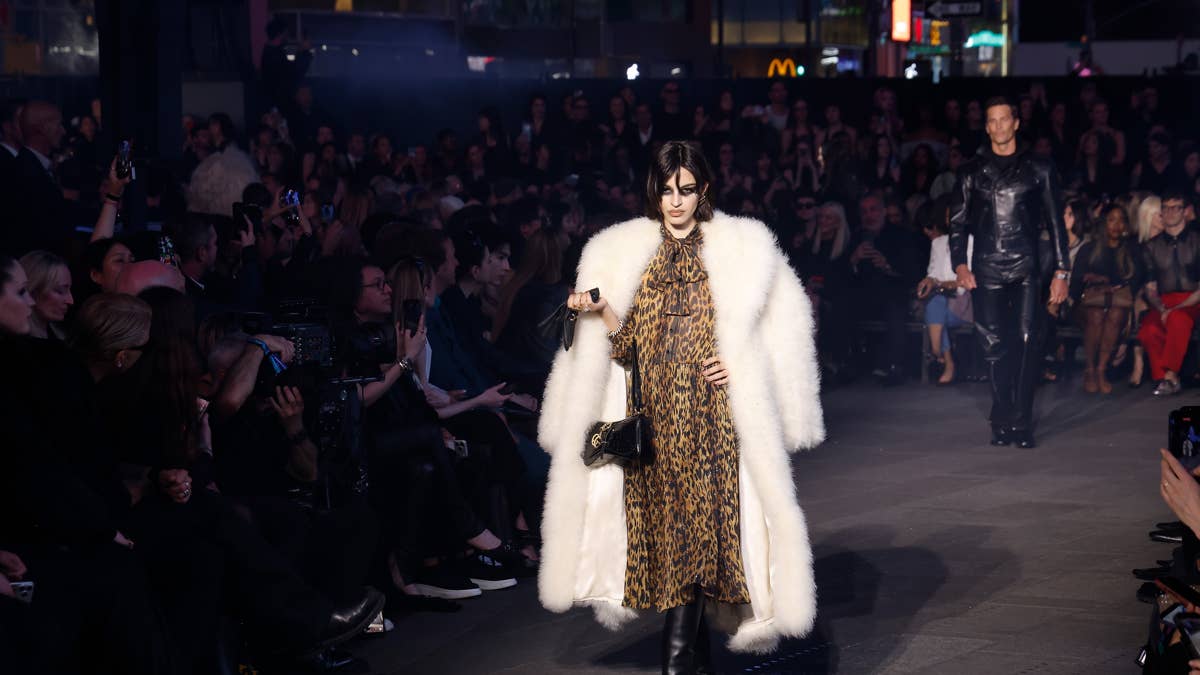
Gucci delivered a earnings beat this quarter, driven by strong performance in North America and Europe where tourist spending accelerated. The house capitalized on travel recovery trends, with visitors to major retail hubs driving luxury purchases at a pace that exceeded internal projections.
Hermès similarly benefited from tourism dynamics. The French leather goods powerhouse saw sales gains tied directly to international visitors shopping at flagships in Paris, London, and other European capitals. The brand's scarcity-driven positioning and waitlist culture fueled demand among affluent travelers.
Both houses demonstrate how luxury consumption remains anchored to physical retail experiences and destination shopping. As travel normalized post-pandemic, these two conglomerates positioned themselves to capture spending from high-net-worth individuals prioritizing experiences and heritage craftsmanship.
The earnings results underscore luxury's resilience when anchored to tourism infrastructure. Gucci and Hermès benefit from their flagship locations in cities where international visitors concentrate spending. This dynamic differs sharply from brands dependent on domestic markets facing economic headwinds.
In beauty news, ESW Beauty appointed its first creator equity partners, expanding its model of compensating digital influencers with ownership stakes rather than traditional sponsorship fees. This shift reflects how indie beauty brands are restructuring creator relationships to build loyal advocates with financial incentive to drive long-term growth.
The move signals broader industry recognition that creator partnerships work best when creators hold genuine equity upside. ESW Beauty positions itself ahead of larger conglomerates still relying on transactional influencer deals, capturing emerging talent early while building community investment in brand success.