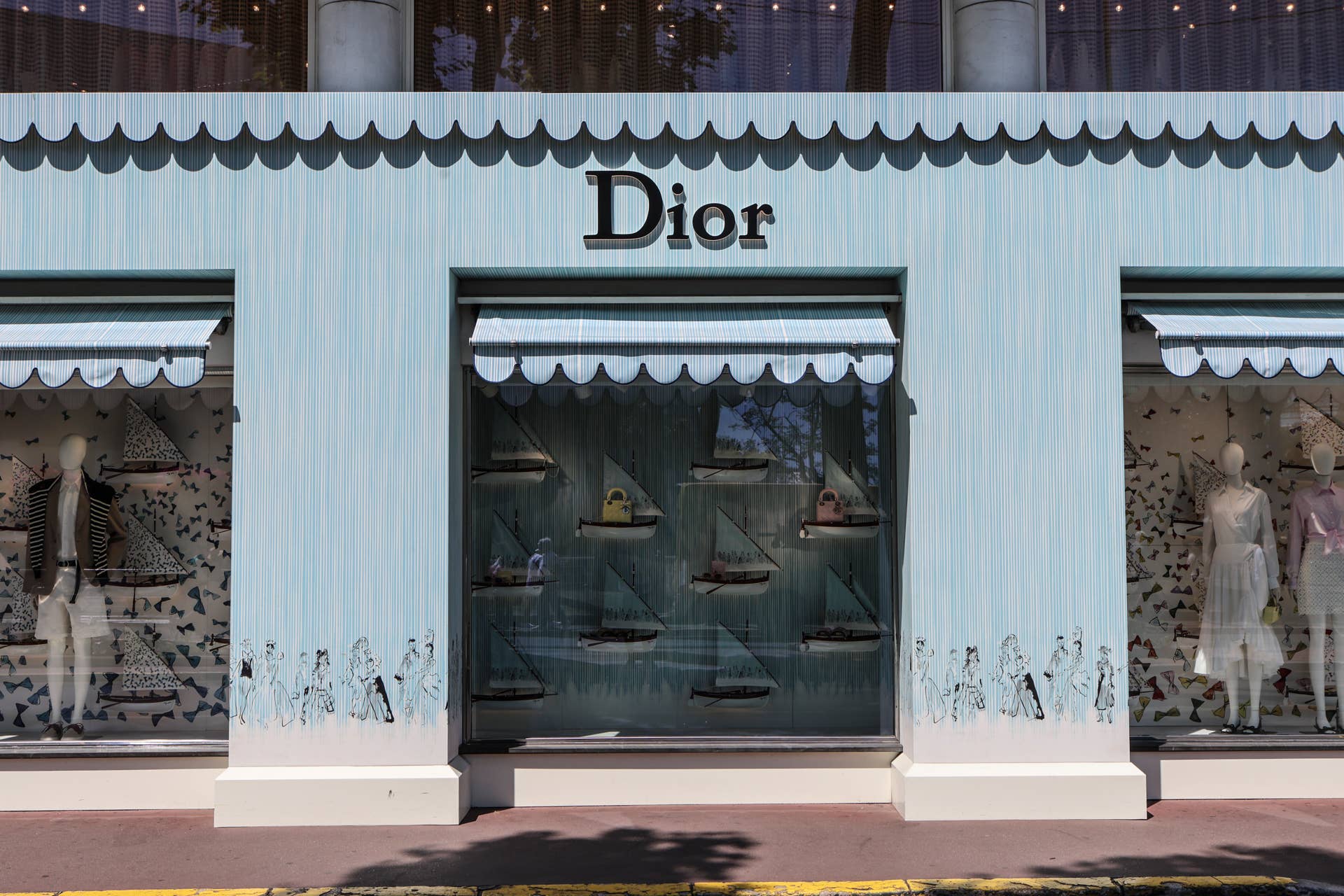
LVMH's luxury empire expanded faster than expected in the second quarter, signaling robust recovery across its sprawling portfolio of 75 brands. The conglomerate reported accelerating growth, driven by strong momentum in leather goods and jewelry divisions, despite persistent economic headwinds in key European markets.
The results underscore Bernard Arnault's dominance in luxury goods. LVMH controls everything from Louis Vuitton and Dior to Givenchy and Fendi, positioning the group to capture consumer spending across price points and demographics. Growth came from both mature markets and emerging regions, with Asia-Pacific particularly strong.
Separately, Kate Spade appointed Tyla as brand ambassador, tapping the British-Nigerian singer and rapper for the brand's continued youth-focused push. Tyla brings Gen Z credibility and global social media reach, aligning with Kate Spade's efforts to modernize beyond its heritage status symbols. The appointment reflects luxury's relentless pursuit of younger consumers through cultural partnerships.
Unilever also raised its outlook as consumer demand exceeded projections. The beauty and personal care giant benefited from pricing power and volume growth, suggesting luxury beauty remains resilient despite inflation concerns plaguing other sectors.
These moves reveal divergent industry dynamics. LVMH's scale allows it to weather market volatility through brand diversification. Kate Spade's ambassador strategy targets generational shifts in luxury consumption. Unilever's upgrade reflects beauty's exceptional resistance to economic downturns.
For fashion and luxury, the quarter validates a thesis: aspirational spending endures. Consumers trade down on everyday goods but maintain investment in fashion, beauty, and accessories tied to identity and status. LVMH's acceleration and Unilever's strength confirm this bifurcation shapes 2024 spending patterns.