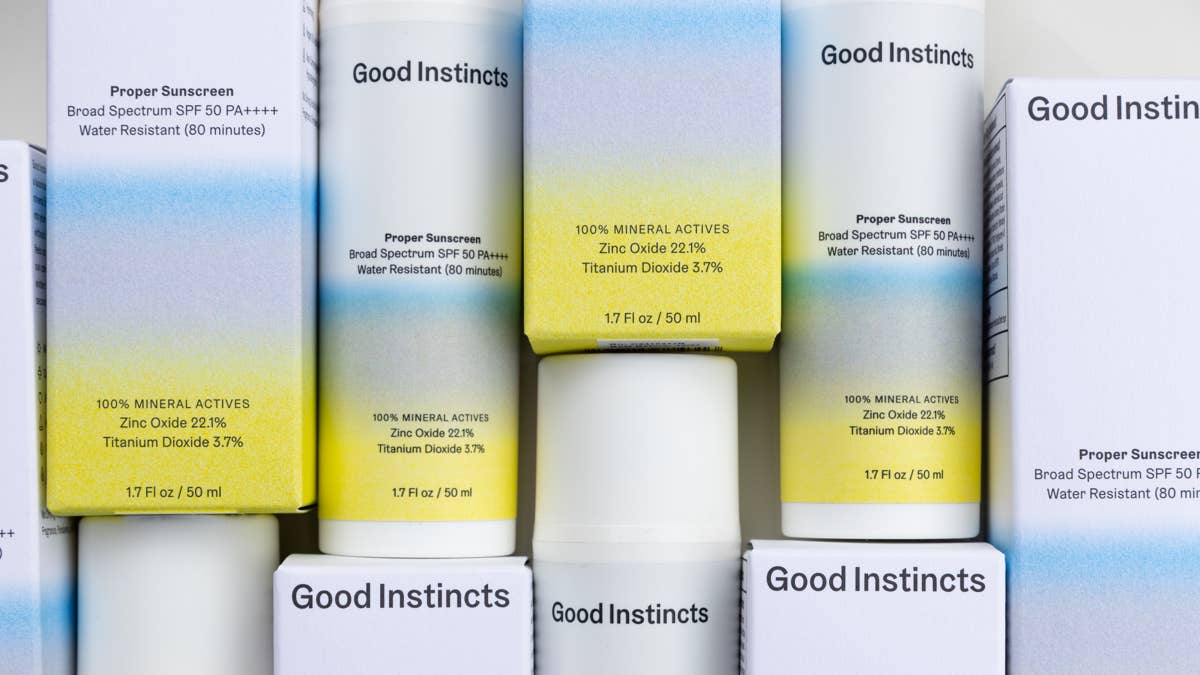
A new mineral sunscreen brand has entered the crowded beauty market with backing from former technology executives. The brand, which launched in 2025, pivots away from chemical UV filters and emphasizes a lightweight zinc oxide formula containing 22.1% of the mineral ingredient.
The founding team's tech background signals a shift in beauty entrepreneurship. Rather than traditional cosmetics industry veterans, founders from the software and venture capital sectors bring product development and scaling expertise to skincare. This mirrors broader trends where tech founders see beauty as an adjacent market with similar direct-to-consumer distribution models.
The mineral SPF space has intensified over the past three years. Clean beauty consumers prioritize zinc oxide and titanium dioxide over synthetic chemicals like oxybenzone and avobenzone. Brands including Supergoop, EltaMD, and Blue Lizard have dominated this segment, but the category remains open to newcomers with differentiated formulations.
The brand's claim centers on weightlessness. Traditional mineral sunscreens earn criticism for leaving white cast and chalky residue on skin. A 22.1% zinc oxide concentration sits at the lower end of effective formulations, which typically range from 20% to 30%. This suggests the founders engineered the formula to reduce visible residue while maintaining sun protection.
Distribution strategy remains unclear from available information, but the tech-founder playbook typically involves digital-first marketing and online sales channels. Beauty subscription services and direct-to-consumer platforms like Cult Beauty or Sephora could provide rapid scaling paths.
The mineral sunscreen category aligns with consumer demands for reef-safe products and ingredient transparency. Regulations tightening around chemical sunscreens, particularly in Hawaii and California, drive category growth. Competition will intensify as established skincare brands like La Roche-Posay and CeraVe expand mineral offerings.
For the