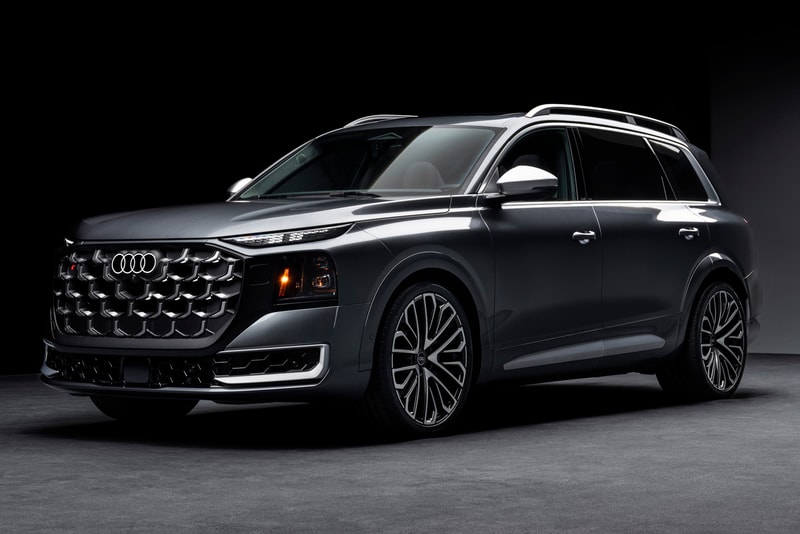
Audi expands its luxury SUV lineup with the debut of the Q9 and SQ9, full-size flagships engineered specifically for American buyers hungry for three-row premium vehicles. The Q9 platform stretches 208.9 inches on a 123.5-inch wheelbase, marking the largest chassis Audi has ever constructed. This scale shift signals the German automaker's commitment to competing directly with Mercedes-Benz GLS and BMW X7 in the ultra-luxury segment.
Design language emphasizes restraint over aggression. A raised shoulder line, monolithic front fascia, and straight window graphics project what Audi calls "quiet confidence." This aesthetic departure from the brand's typical angular vocabulary reflects broader industry movement toward timeless, understated luxury rather than statement-making styling.
The Q9 arrives as Audi's response to market data showing American consumers increasingly prioritize spacious, tech-forward family haulers. The three-row configuration addresses practical needs while the flagship positioning allows Audi to command premium pricing alongside established competitors. The SQ9 variant introduces performance credentials, though technical specifications remain limited in this initial reveal.
This launch demonstrates how legacy automotive brands navigate the transition from sport-focused identities toward lifestyle positioning. Audi's Q series has evolved from niche product to core revenue driver, with the Q9 representing the apex of this strategy. The flagship arrives as electrification reshapes luxury vehicle narratives, yet Audi positions it as continuation of traditional SUV supremacy rather than technology-first disruption.
Distribution targets the U.S. market first, reflecting where luxury SUV demand commands highest margins. European and Asian markets will follow, establishing a hierarchy that privileges American consumer preferences. For fashion and lifestyle audiences tracking automotive as cultural barometer, the Q9 signals how established luxury brands maintain relevance through scale and restra