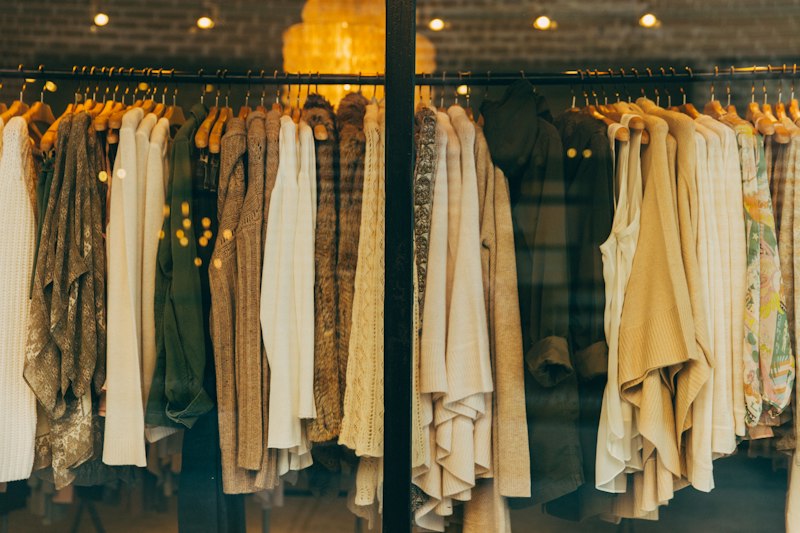
Here's what's happening in fashion retail right now, and it should concern anyone who actually enjoys shopping in cities: Major brands are abandoning the traditional storefront model in favor of "experience centers" and "clubhouses"—polished, Instagram-ready spaces that prioritize brand theater over actual commerce. The industry is rewarding this shift handsomely, and the winners aren't the customers or the neighborhoods hosting these stores. They're the landlords, the marketing departments, and the brands themselves. Everyone else pays the price.
Let's be direct about the economics. When a flagship brand converts a street-level retail location into an "experience center," it's not because foot traffic demanded it. It's because the profit margin on direct sales has become squeezed, and brands would rather own the narrative than own the inventory risk. An experience center sells the idea of a brand more efficiently than it sells actual products. You get the Instagram moment, the curated aesthetic, the sense of exclusivity. But you also get higher prices, longer checkout processes, and fewer reasons for a casual customer to walk in.
The secondary effect—the one retail analysts rarely mention directly—is the death of neighborhood character. When REI closes its Soho storefront, as was reported recently, it's not just one store disappearing. It's a signal that street-level retail, especially in high-rent districts, is becoming economically viable only for brands willing to treat their locations as brand assets rather than sales channels. That means luxury consolidation. That means fewer independent voices on the ground. That means neighborhoods become galleries for multinational corporations instead of places where people actually buy things they need.
The incentive structure here is perverse. Brands get applauded for creating "moments." They get press coverage for launching clubhouses at hypebeast events and pop-up spaces at cultural events. The executives who greenlight these ventures get promoted. The creative directors who design these spaces get awards. Meanwhile, the store manager whose job is to actually sell merchandise to actual humans is increasingly obsolete.
What makes this particularly insidious is that it's dressed up in the language of progress. Experience. Community. Digital integration. These aren't bad things in isolation. But they're being used to justify a systematic retreat from accessible, walkable retail. A teenager in Brooklyn can't buy a pair of sneakers at a neighborhood corner store anymore because that store doesn't exist. She has to go to the curated temple of commerce, where every surface is designed to make her feel like an outsider until she buys something.
The fashion industry loves to talk about inclusivity and accessibility. But the retail infrastructure it's building tells a different story. When you optimize for Instagram metrics instead of foot traffic, when you value brand narrative over customer convenience, when you treat a storefront as content rather than commerce, you're creating a system that excludes more people than it includes.
Here's the part that should genuinely worry the industry: This model is fragile. It depends on sustained foot traffic from people willing to travel to experience centers, on Instagram interest that never dulls, on luxury margins that can absorb empty square footage. The moment any of those conditions shift, the whole structure becomes a liability. And unlike a traditional retail operation with reasonable margins and diverse inventory, these experience centers have no failsafe.
The fashion retail sector is being rewarded for making shopping worse for ordinary people while pretending it's being made better. We should notice that, and we should question who really benefits when the neighborhood store becomes a brand sanctuary.