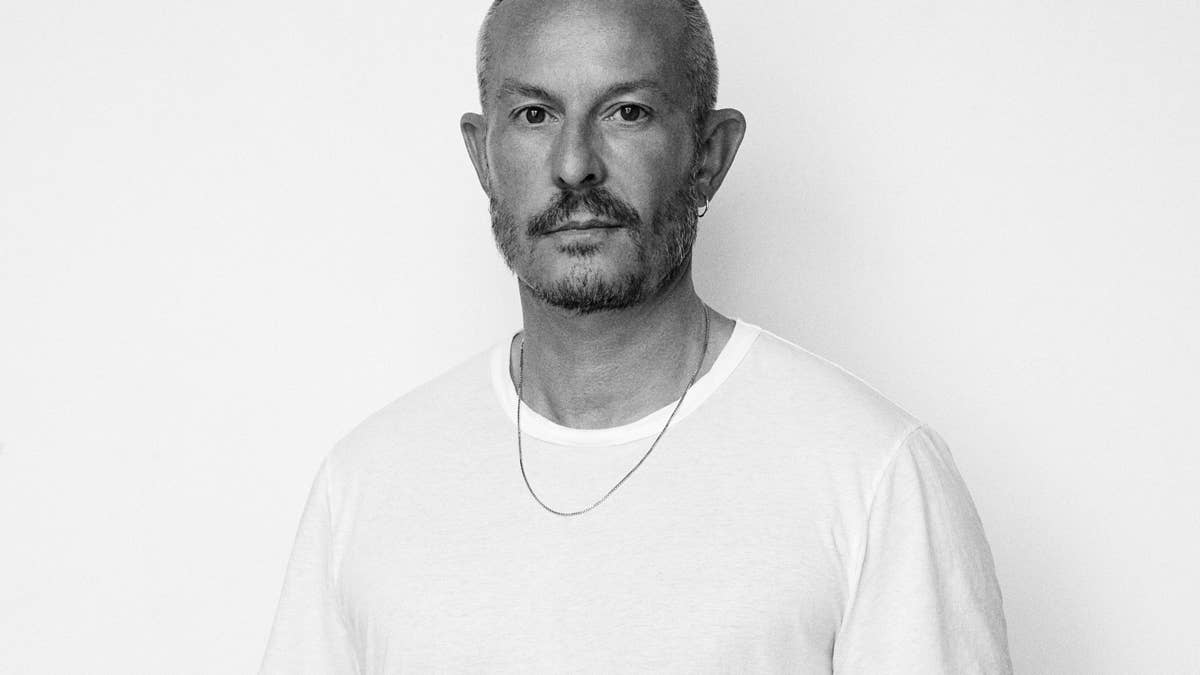
Kate Spade appointed a new creative director, marking a significant leadership shift for the American heritage brand. The brand seeks to reinvigorate its design direction and reconnect with its core aesthetic of accessible luxury and playful sophistication.
Supermodel Vittoria Ceretti shared her personal fashion and beauty favorites, offering insight into how one of the industry's most recognizable faces curates her own wardrobe and skincare routine. Ceretti's selections span established luxury houses and emerging designers, reflecting the modern model's approach to mixing high and low fashion.
Cosmoprof 2026, the major beauty industry trade show, revealed its anticipated trends for the coming year. Color cosmetics are shifting toward maximalist approaches, moving away from the minimalism that dominated recent seasons. Skincare innovation centers on personalization and tech-driven formulations that target specific skin concerns. Texture experimentation continues across categories, with beauty brands exploring unusual finishes and application methods. The sustainability conversation intensifies, with clean beauty and refillable packaging becoming standard rather than niche.
The convergence of these stories reflects broader industry dynamics. Heritage brands like Kate Spade face pressure to modernize while preserving brand identity, making creative director appointments crucial casting decisions. Celebrity and influencer curation remains a powerful tool for driving consumer interest and validation. Beauty trade shows serve as barometers for where the industry heads next, signaling that consumers want both innovation and responsibility in their beauty purchases.
These developments underscore how fashion and beauty operate as interconnected ecosystems. A creative director's vision trickles down to influence overall brand culture, including beauty collaborations. Celebrity endorsements shape consumer expectations across categories. Industry forecasts guide investment and product development for years to come.