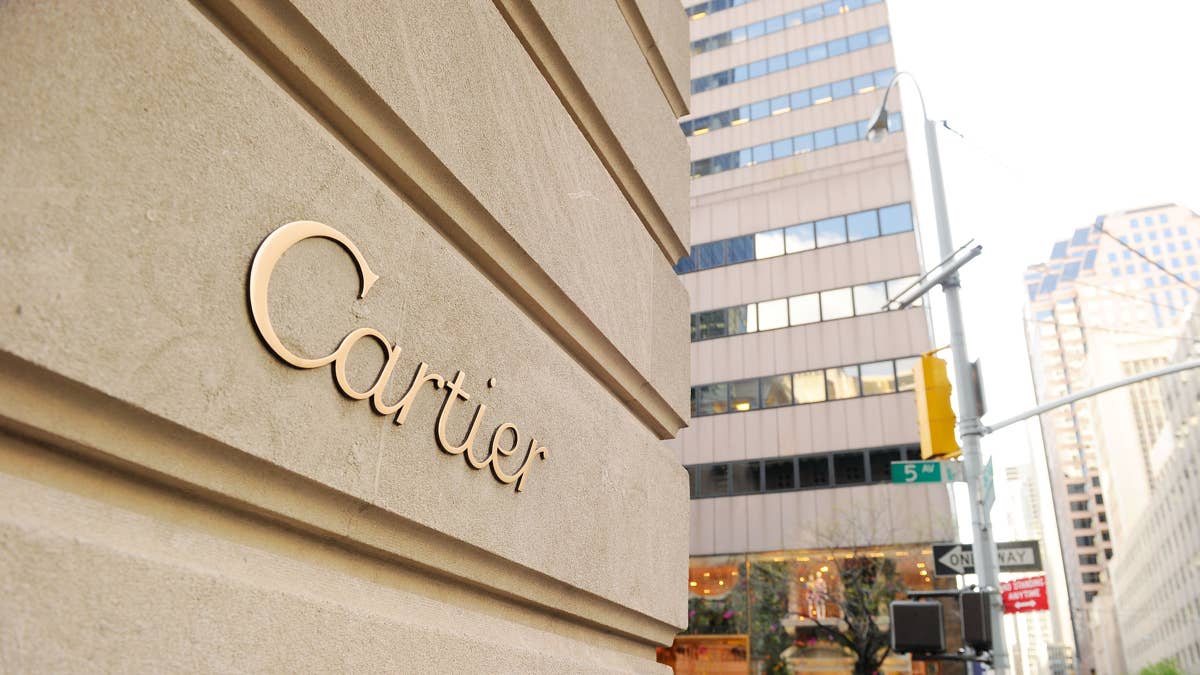
Richemont's luxury empire accelerated sharply in its latest quarter, posting a 20 percent sales surge that signals renewed momentum across its sprawling portfolio of houses. The conglomerate, which owns Cartier, Van Cleef & Arpels, and Watchfinder, capitalized on strong demand across jewelry and watches while bolstering its digital infrastructure.
The group simultaneously announced a leadership shuffle at Bluemercury, its luxury multi-brand platform acquired in 2017. The new CEO appointment positions the e-commerce and retail hybrid to compete more aggressively in the competitive prestige segment, where direct-to-consumer channels have become essential for capturing high-net-worth customers.
Separately, handbags are infiltrating menswear in ways that fundamentally reshape masculine dressing codes. Luxury brands increasingly market sophisticated carryall styles and crossbody bags to male consumers, normalizing accessories once relegated to womenswear. This shift reflects broader cultural movements toward gender-fluid fashion and functional luxury. Designers recognize that millennial and Gen-Z men embrace investment pieces that blur traditional boundaries.
The handbag expansion into menswear complements larger retail trends. Prestige houses compete for wallet share by creating products that resonate across demographics. Bluemercury's repositioning under new leadership likely includes elevated merchandising strategies around these crossover categories, where margin potential runs high.
Richemont's performance demonstrates that luxury demand remains robust when companies execute effectively across channels. The group's jewelry and timepiece divisions continue generating significant revenue, while its emerging platforms like Bluemercury require refinement to unlock their full potential. The new CEO faces pressure to modernize the brand's inventory selection, customer experience, and omnichannel integration while maintaining the editorial curation that distinguishes it from competitors like SSENSE or Net-a-Porter.