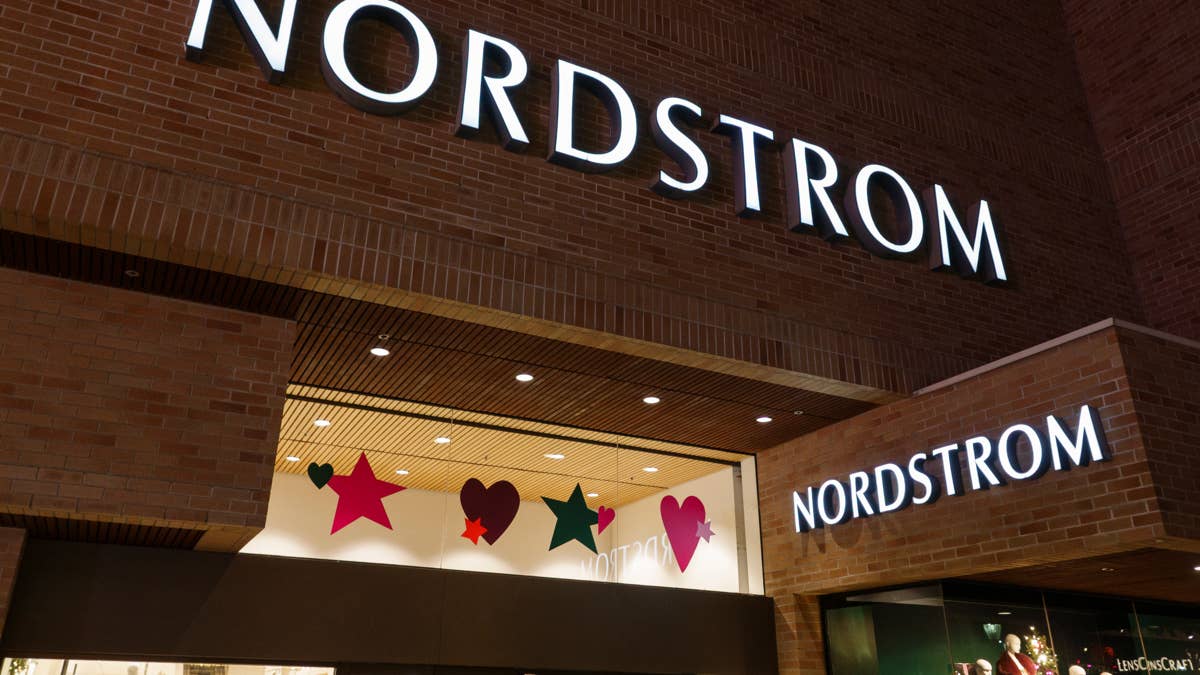
Nordstrom has promoted two key executives to lead its fashion direction. The department store chain named a new Vice President and Fashion Director, signaling a strategic shift in how the retailer curates and positions its brand portfolio. These appointments come as Nordstrom continues competing against both luxury e-commerce platforms and fast-fashion retailers that dominate younger consumers.
Separately, Zara has faced unexpected backlash over a pair of pants that allegedly caused injuries to wearers. The viral moment highlights how social media can rapidly amplify product complaints, turning a single item into a broader conversation about quality control and design responsibility. Zara, owned by Inditex, hasn't publicly commented on the specific allegations, but the incident demonstrates how quickly consumer sentiment can shift for even established fast-fashion powerhouses.
Meanwhile, The Estée Lauder Cos. confirmed it's retaining three beauty brands under its portfolio: Too Faced, Smashbox, and Dr. Jart+. This decision comes after the parent company faced pressure to streamline operations and divest underperforming assets. Keeping these brands signals confidence in their market positioning, particularly Too Faced's makeup offerings and Dr. Jart+'s dermatological skincare credentials that appeal to Gen Z and millennial consumers.
These three stories underscore the retail landscape's current volatility. Department stores are restructuring leadership to remain relevant. Fast-fashion giants face new scrutiny over product safety and quality. Beauty conglomerates are making strategic bets on brand portfolios that resonate with younger demographics. The Nordstrom moves suggest the retailer is doubling down on curated fashion direction to differentiate itself in a crowded marketplace, while the Zara incident serves as a reminder that viral moments can damage brand reputation faster than traditional PR can mitigate.