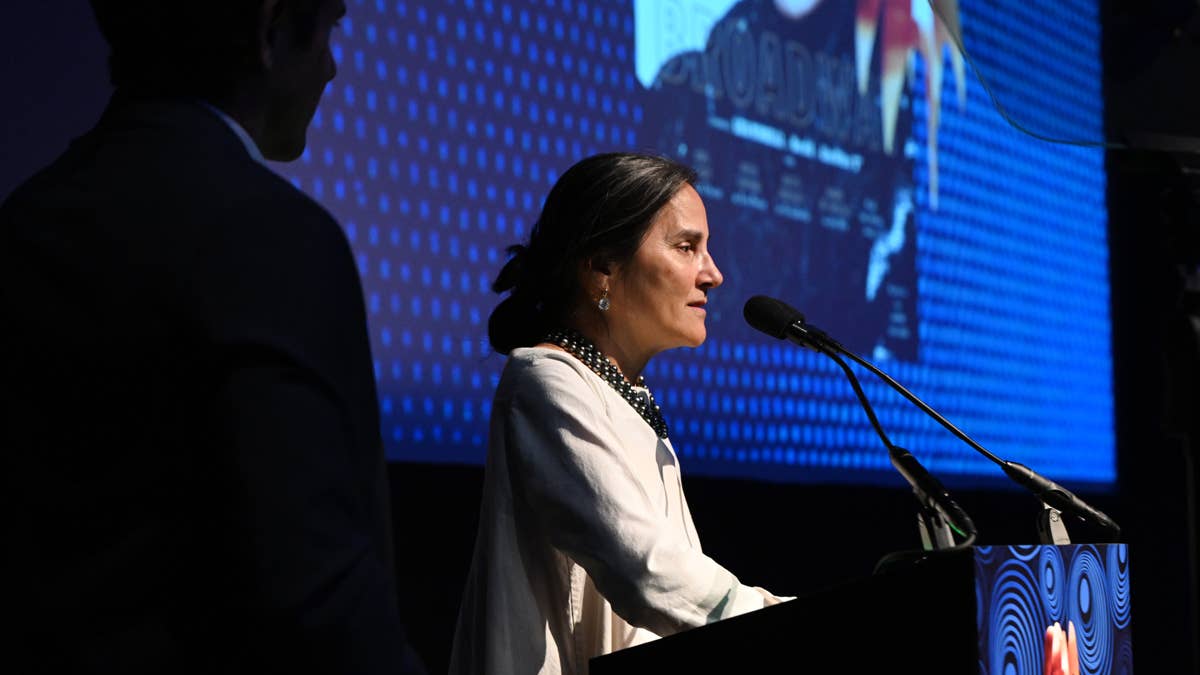
T Magazine, the New York Times' style publication, appoints a new editor-in-chief as the luxury media landscape shifts. The move signals continued investment in high-end lifestyle coverage at a moment when fashion publishing faces consolidation pressures.
Meanwhile, 7-Eleven escalates its trademark dispute with Nike, suing the sportswear giant over sneaker colorways. The convenience store chain claims Nike's recent releases infringe on its iconic red, orange, and green palette. The legal action reflects growing corporate competition over brand identity and color ownership in sneaker culture, where limited drops and distinctive aesthetics drive both hype and revenue.
The suit underscores how sneaker culture has evolved beyond footwear into territory where major retailers and manufacturers clash over visual markers. 7-Eleven has leveraged its brand in collaborations before, but this aggressive stance shows the company now treats color palettes as valuable intellectual property worth defending in court.
On commercial real estate, Madison Avenue's office vacancy rate hit a 20-year low. The metric reveals structural shifts in how luxury brands manage their Manhattan presence, particularly along the world's most expensive retail corridor. Fewer empty storefronts suggest either renewed confidence in physical retail or consolidation among tenants.
The T Magazine appointment matters for fashion journalism. The publication carries weight in how the industry understands itself, from designer profiles to trend forecasting. Newsroom changes at flagship outlets ripple through coverage priorities and editorial voice.
Together, these stories map the current fashion ecosystem. Media restructuring continues. Sneaker IP disputes intensify. Real estate dynamics tighten. Legacy brands protect their visual identities while newer players aggressively license them. The industry negotiates between digital distribution, physical retail presence, and the intangible value of color, logo, and brand association.