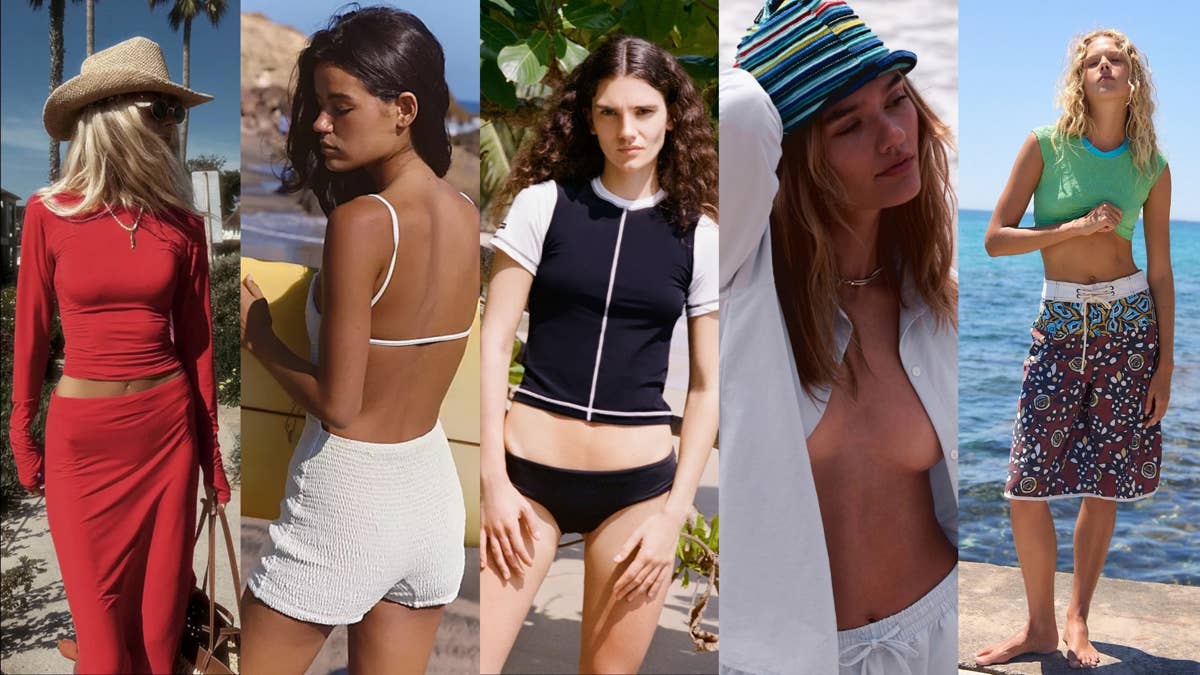
Sun-protective clothing has shed its utilitarian image. Brands now design UPF fabrics into pieces that compete with regular fashion on style alone, marking a decisive shift in how the industry approaches functional wear.
The change reflects evolving consumer priorities. People want clothes that protect skin from UV damage without sacrificing aesthetics. Designers have responded by integrating UV-blocking technology into everything from bikinis to streetwear, proving that performance and design need not exist in tension.
High-end brands have accelerated this trend. Luxury houses now feature sun-protective collections alongside traditional lines, legitimizing the category beyond beachwear and athletic sectors. This move signals that UV protection belongs in everyday wardrobes, not just specialized contexts.
The technology itself has matured. Modern UPF fabrics feel lighter and more breathable than earlier iterations. Manufacturers can now achieve sun protection without the stiff, clinical appearance that once defined the category. Soft knits, flowing silhouettes, and contemporary colorways dominate collections.
Fashion-forward retailers have taken notice. Major department stores dedicate shelf space to stylish sun-protective pieces. Emerging designers treat UPF as a feature, not a compromise. The category attracts consumers who view protection as non-negotiable yet refuse aesthetic sacrifices.
This trend gains urgency given climate shifts and increased UV awareness. Dermatologists recommend daily sun protection, and fashion now delivers that without requiring people to wear performance gear to dinner or work. The integration of UPF into mainline collections normalizes protective dressing across demographics and occasions.
The industry narrative has flipped. Sun-protective clothing no longer occupies the margins of fashion. It anchors collections from emerging labels and established names alike, proving that functional innovation drives contemporary style rather than limiting it.