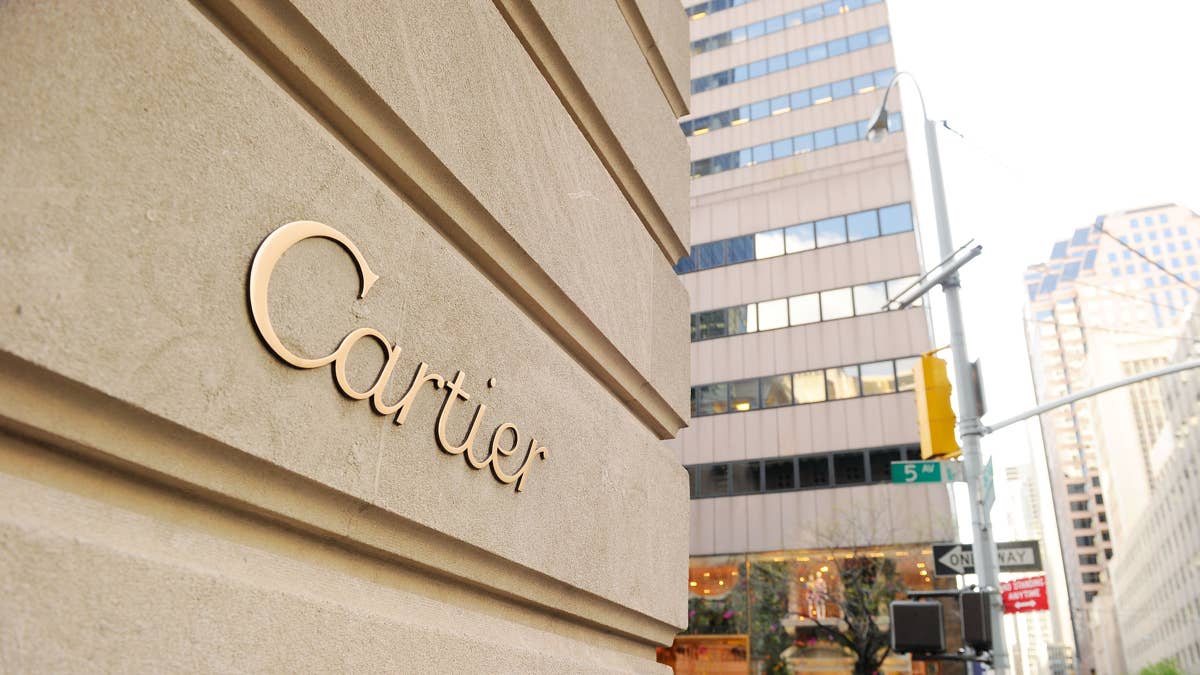
Richemont posted a robust 20% sales surge in its latest quarterly results, signaling strong momentum across its luxury portfolio. The conglomerate, which owns Cartier, Van Cleef & Arpels, and Watchfinder, demonstrated resilience in a competitive market driven by sustained demand for jewelry and watches. The growth reflects both organic expansion and the contributions of its e-commerce platform Net-a-Porter, which continues to anchor the group's digital strategy.
The company also announced a leadership shift at Bluemercury, its American luxury beauty and fashion retailer, with a new CEO taking the helm. This appointment signals Richemont's commitment to revitalizing the standalone brand after years of integration challenges. Bluemercury operates roughly 70 stores across the US and maintains a significant digital presence, making it a key asset in Richemont's ambitions to capture the American luxury consumer.
Meanwhile, handbags are infiltrating menswear with unprecedented velocity. Once relegated to crossbody bags and utilitarian styles, luxury handbags now occupy a legitimate space in men's fashion. Designers recognize that younger men and gender-fluid consumers reject rigid accessory categories. Brands from Bottega Veneta to Gucci have expanded their menswear collections to include structured totes, shoulder bags, and leather goods traditionally coded feminine. The shift reflects broader industry recognition that luxury handbags represent a lucrative growth category previously untapped by male shoppers.
This convergence matters. Richemont's sales growth partly stems from diversified accessory demand across gender lines. The handbag invasion in menswear opens new revenue streams at a moment when traditional luxury houses face margin pressures and shifting consumer habits. It's a play on inclusivity, yes, but more fundamentally, it's about expanding addressable markets in a category where margins remain healthy.