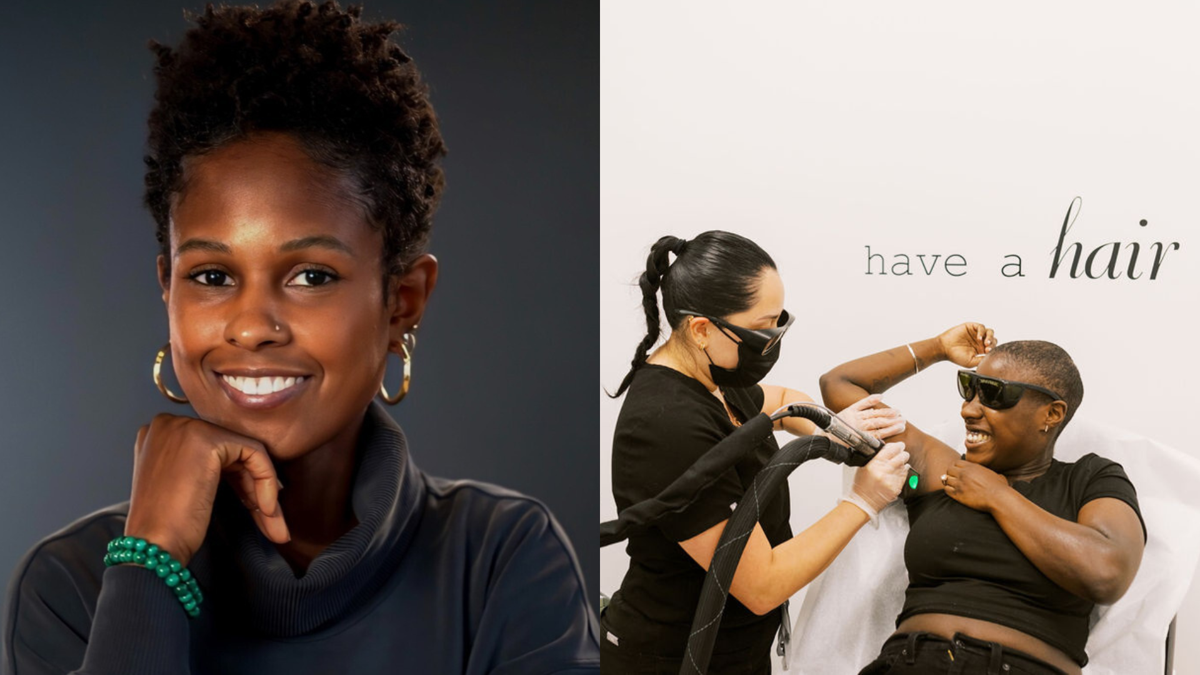
Eunice Louis-Jacques, a registered nurse and field manager at SEV Laser, challenges the booming at-home laser hair removal market in Fashionista's "Face It" video series. She dismisses consumer devices as ineffective, arguing they lack the power and precision of professional treatments.
The aesthetics expert points to a fundamental problem. At-home systems operate at lower energy levels to ensure safety for untrained users. Professional laser hair removal requires calibrated equipment, proper skin assessment, and trained technicians who adjust settings based on individual skin tone and hair type. Consumer devices cannot replicate this customization.
Louis-Jacques's stance reflects growing skepticism within the professional aesthetics industry toward at-home beauty tech. Brands like Tria, Nood, and Kinesis have built billion-dollar valuations on convenience and affordability, marketing permanent hair reduction to budget-conscious consumers. Yet dermatologists and aestheticians consistently report that results disappoint. Most at-home devices require months of consistent use with minimal visible outcomes.
The broader context matters. The at-home beauty device market exploded during the pandemic as salons closed. Consumers spent hundreds on devices expecting salon-quality results. Many devices sit unused in bathroom cabinets after buyers realize the commitment and underwhelming payoff.
Louis-Jacques advocates for professional treatments despite higher upfront costs. A full-body laser hair removal series at a medical spa costs between $1,500 and $3,000. At-home devices range from $200 to $600. But professional treatment delivers permanent results in six to eight sessions. At-home devices rarely achieve this.
The nurse also addresses filler in the series, offering clinical perspective on cosmetic procedures often clouded by Instagram aesthetics and influencer marketing. Her commentary aligns with a growing backlash against overfilled faces and extreme aesthetic trends.
This expert