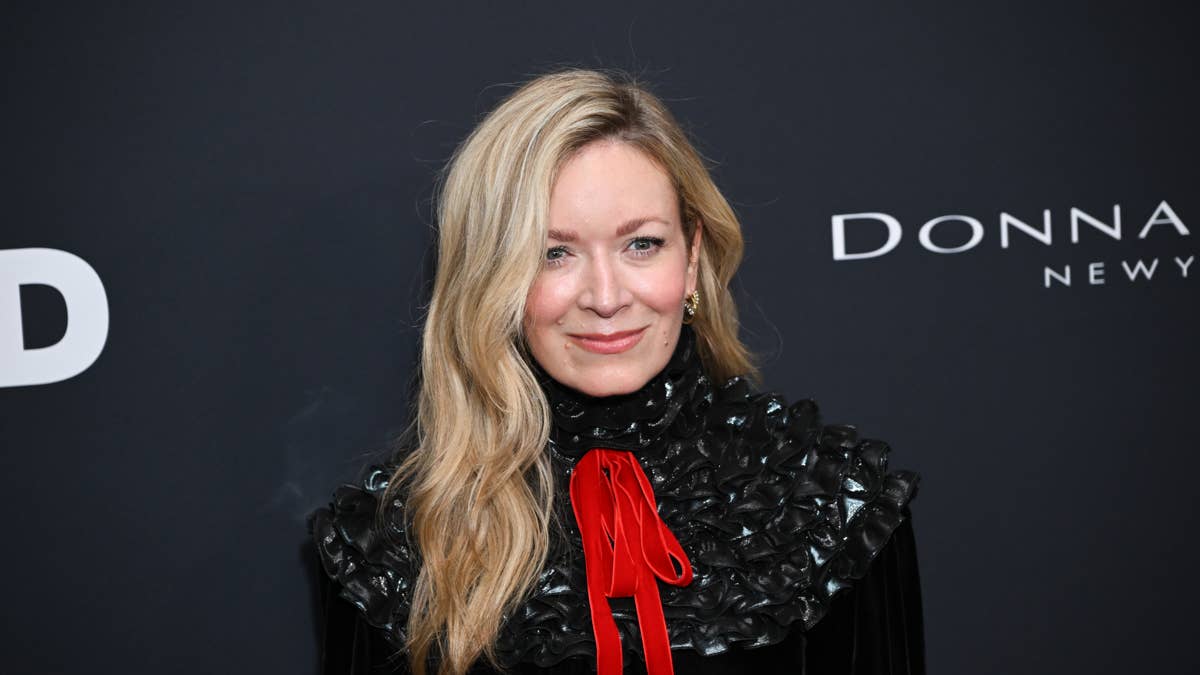
Erin Walsh, the stylist behind Anne Hathaway's red carpet transformations, approaches personal style through a deceptively simple lens. She asks clients one fundamental question to unlock their authentic aesthetic before building a wardrobe strategy around it.
Walsh operates in styling as a service business, but she has expanded her practice beyond dressing celebrities for events. Her philosophy centers on understanding what clients truly want to communicate through their appearance, rather than imposing trends or designer labels.
The stylist has built her reputation by working with A-list talent, most notably Hathaway, where she orchestrates cohesive visual narratives across major award shows, premieres, and public appearances. Her work demonstrates how styling functions as storytelling, each outfit choice reinforcing a narrative about the wearer's taste, personality, and moment in their career.
Walsh's expansion into something larger than traditional celebrity styling speaks to a broader industry shift. Modern stylists increasingly position themselves as creative consultants and brand architects rather than simply outfit assemblers. This evolution reflects growing demand for personalized style guidance across wealth demographics.
The question Walsh uses as her foundation remains unstated in her comments, but her methodology suggests stylists now operate as therapists of taste. They excavate client values before making a single purchase or rental decision. This consumer-first approach aligns with contemporary fashion's move away from dictatorial trend cycles toward individualized expression.
Her work with Hathaway across projects like "The Idea of You," various award circuits, and public appearances shows consistency in silhouette choices and fabric selections. Walsh favors clean lines, strategic color use, and pieces that enhance rather than overshadow her client's presence.
The styling industry itself has matured. What once meant borrowing designer gowns for events now encompasses wardrobe consulting, personal shopping, archive sourcing, and long-term brand building. Walsh's expansion mirrors this