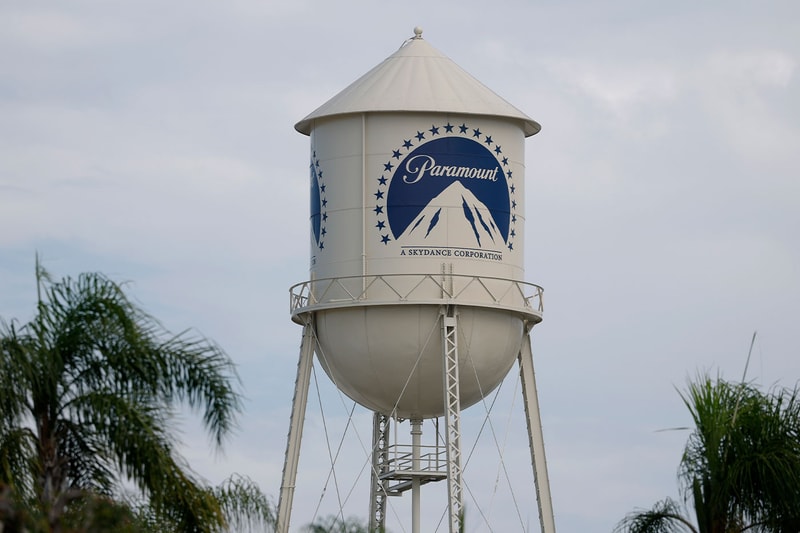
Twelve state attorneys general filed a federal antitrust lawsuit to block Paramount's proposed $110 billion acquisition of Warner Bros. Discovery, escalating legal challenges to the historic entertainment industry deal even after the U.S. Justice Department cleared it.
The coalition argues the merger violates federal antitrust law and will substantially reduce market competition across television, film, and streaming platforms. The lawsuit targets a transaction that would combine two of Hollywood's most powerful media conglomerates under Paramount Skydance's control, creating a studio empire with unprecedented leverage over content distribution and pricing.
The timing underscores deepening state-level skepticism about the deal's competitive impact. While federal regulators determined the merger posed acceptable risks to consumers, state attorneys general contend the combination threatens independent producers, smaller networks, and viewers through reduced programming diversity and potential price increases. The states argue the merged entity would control too much of the market for theatrical releases, television content, and streaming services.
This challenge reflects broader tensions within antitrust enforcement. The Justice Department's approval suggested confidence that existing competitors like Disney, Netflix, and Amazon could counterbalance a Paramount-Warner Bros. Discovery combination. State attorneys general, however, operate under different legal standards and represent constituent concerns about local media markets and consumer protection.
The lawsuit arrives as the entertainment industry continues consolidation. Major studios have merged repeatedly over the past decade, creating fewer decision-makers controlling vast libraries of intellectual property. Paramount Skydance's bid to acquire Warner Bros. Discovery represented one of the largest proposed combinations in recent years.
The merger's fate now depends on federal court intervention. Even if states succeed in blocking it, the precedent would reshape how entertainment deals proceed through regulatory review. For Paramount, Warner Bros. Discovery, and Skydance, the legal uncertainty complicates integration planning and strategic timelines. The case signals that state-level scrutiny of major