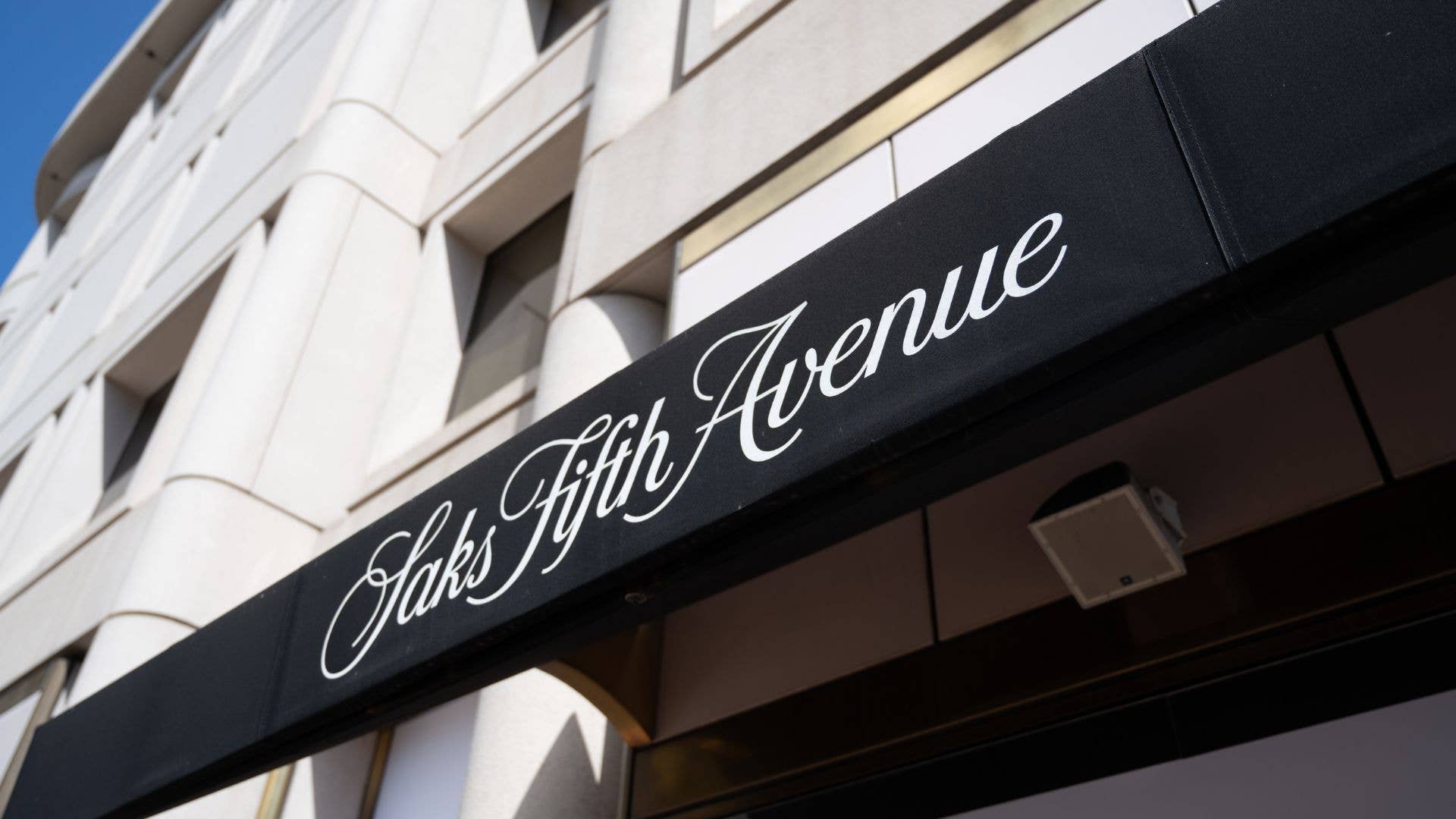
Saks Fifth Avenue emerges from bankruptcy protection after securing a lifeline from Authentic Brands Group and Arnault family office Agache. The luxury retailer navigates restructuring as the high-end sector stabilizes following pandemic-era volatility. The deal preserves jobs and maintains Saks' position as a cornerstone of American luxury retail.
Meanwhile, Louis Vuitton confronts environmental criticism over its spring-summer show staging. The brand constructed a dramatic waterfall installation on a runway, prompting backlash from sustainability advocates who questioned the water consumption and waste generated by the spectacle. LVMH's flagship house faces mounting pressure to balance theatrical presentation with eco-conscious business practices, a tension defining luxury fashion's current moment.
The environmental scrutiny reflects shifting consumer expectations. Brands increasingly justify their carbon footprints and resource use as stakeholders demand transparency. Louis Vuitton's lavish production values, once unquestioned markers of prestige, now invite debate about luxury's role in climate responsibility.
In celebrity business news, Bethenny Frankel invests in and joins dpHue, the hair-care brand known for color-safe shampoos and treatments. Frankel's move into beauty capitalism follows her successful Skinnygirl beverage venture. Her involvement signals dpHue's expansion beyond product into lifestyle branding, leveraging her star power and business acumen.
These three narratives expose current industry tensions. Saks' bankruptcy recovery underscores retail's fragility despite luxury's apparent resilience. Louis Vuitton's waterfall controversy exposes the gap between fashion spectacle and environmental accountability. Frankel's dpHue partnership reveals how celebrity equity accelerates growth in competitive beauty markets.
The luxury sector rebounds, but on new terms. Theatrical excess faces scrutiny. Traditional retail anchors require external capital to survive. Celebrity