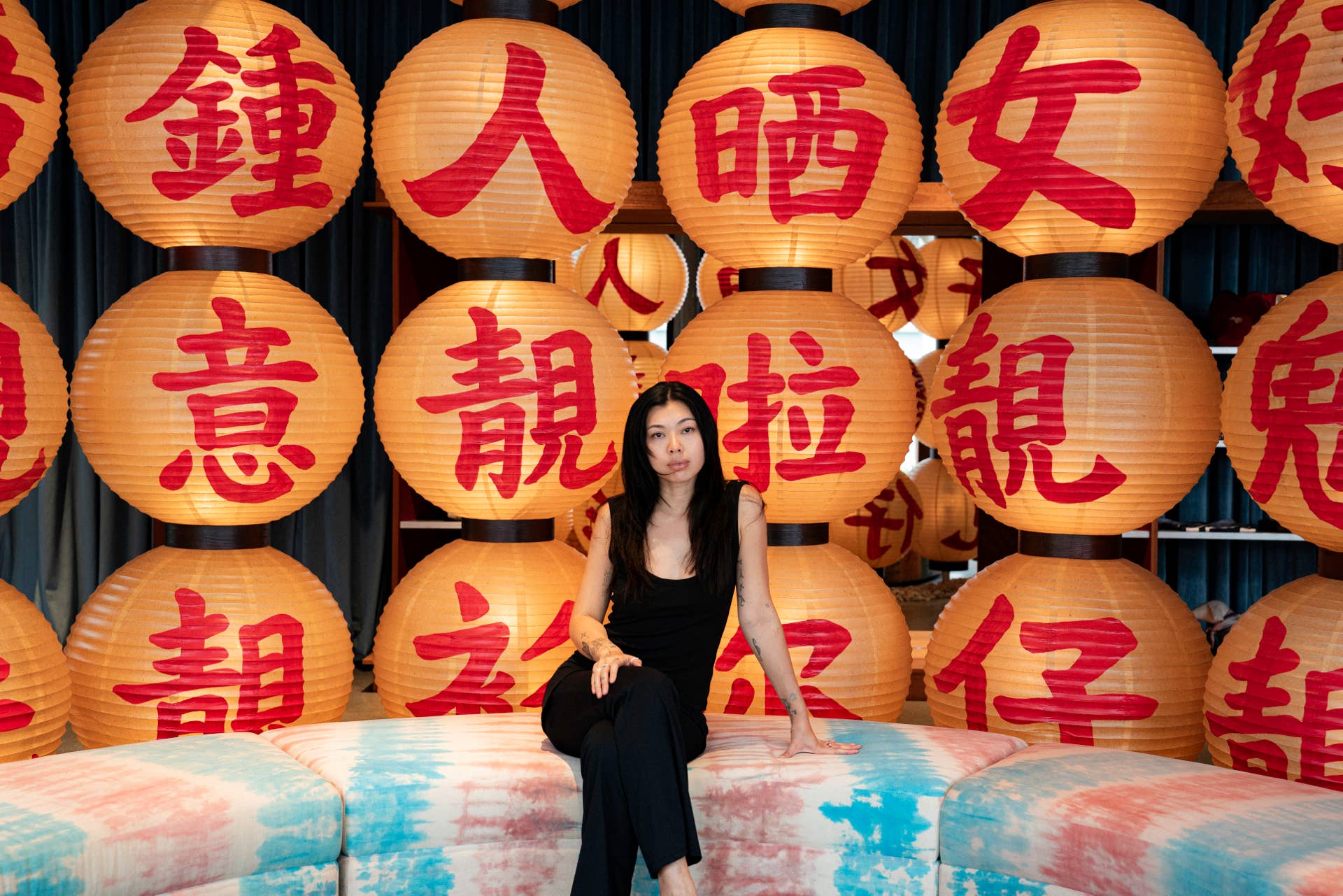
Kayla Wong launches Lang, a new Los Angeles flagship that positions itself as a cultural destination rather than a conventional boutique. Located downtown, the space celebrates AAPI-founded fashion brands through a carefully curated retail experience that merges commerce with art and community programming.
Wong designed the flagship to reflect dual influences. Hong Kong's dense, layered retail aesthetics meet Los Angeles's spacious, gallery-like sensibilities. The result feels deliberately hybrid, honoring both her heritage and the city's creative landscape. This approach signals a broader shift in retail strategy, where founders increasingly treat storefronts as cultural statements.
The Lang flagship carries clothing alongside curated art installations and hosts regular community events. This model echoes the success of concept stores like Dover Street Market and Browns Fashion, which elevated retail by embracing curation as an editorial function. Wong's execution differs by centering AAPI-founded designers specifically, addressing a visibility gap in mainstream fashion retail.
The timing matters. AAPI representation in luxury retail remains disproportionately low, despite significant buying power and creative talent. By featuring multiple AAPI designers under one roof, Lang creates both commercial opportunity and cultural platform. The space operates as incubator and showcase simultaneously.
Wong's background in fashion retail and community building informed the concept. Rather than stock established luxury labels, Lang prioritizes emerging and established AAPI designers, giving them access to prime real estate and foot traffic. Downtown L.A.'s revitalization provides context. The neighborhood has attracted young creatives and entrepreneurs seeking affordable commercial space, making it fertile ground for community-driven retail.
The flagship demonstrates how independent retailers can compete against e-commerce by offering experience and curation that algorithms cannot replicate. Lang positions itself as essential infrastructure for AAPI fashion communities, not merely a shopping destination. This strategy echoes the success of Black-owned boutiques and queer-owned concept