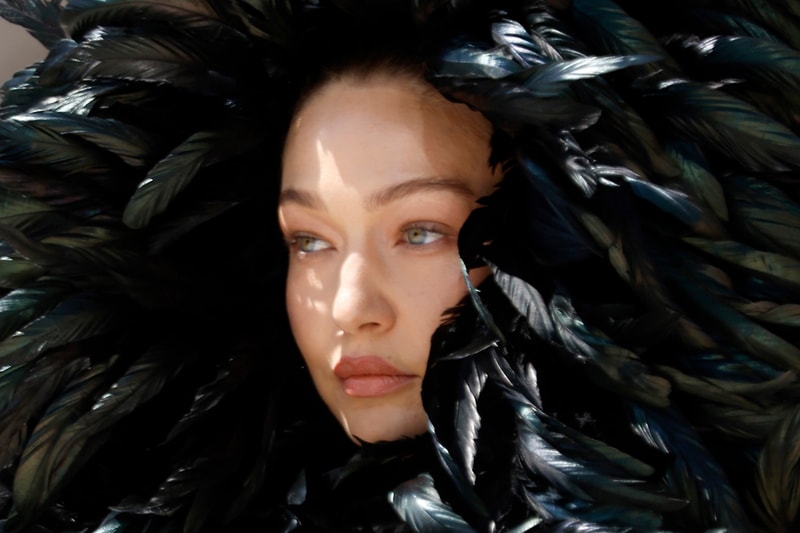
Pierpaolo Piccioli delivered his Haute Couture debut for Balenciaga, pivoting sharply from the house's theatrical legacy toward minimalist restraint. The Fall 2026 collection stripped away spectacle in favor of clean lines and structured silhouettes, signaling Piccioli's intent to reshape the Spanish luxury brand's DNA. This marks a decisive shift for a house historically defined by Demna Gvasalia's provocative excess.
Concurrently, James Roseberry showed Schiaparelli's latest collection with experimental materials and avant-garde construction. The Italian house continues its trajectory as a purveyor of subversive luxury, contrasting sharply with Piccioli's minimalist approach.
Paris Haute Couture Week also featured Virginie Viard's fairytale-inflected Chanel collection, proving the house remains committed to narrative-driven design despite recent leadership transitions.
Beyond the runway, Chanel made a strategic acquisition. The French luxury conglomerate purchased Charvet, France's oldest shirtmaker, marking a significant corporate move. Founded in 1838, Charvet operates as a storied Parisian institution known for bespoke tailoring and heritage craftsmanship. The acquisition signals Chanel's expansion into heritage menswear and potential integration of Charvet's artisanal techniques into the broader brand portfolio.
In sneaker news, Nike Atelier partnered with Paris Saint-Germain footballer Désiré Doué for a special-edition sneaker, bridging sports and fashion markets through athlete collaboration.
The week crystallizes current luxury dynamics. Established houses pursue acquisitions to deepen heritage credentials and technical expertise. New creative directors reimagine brand identities. Experimentation remains central to luxury's competitive edge. Piccioli's