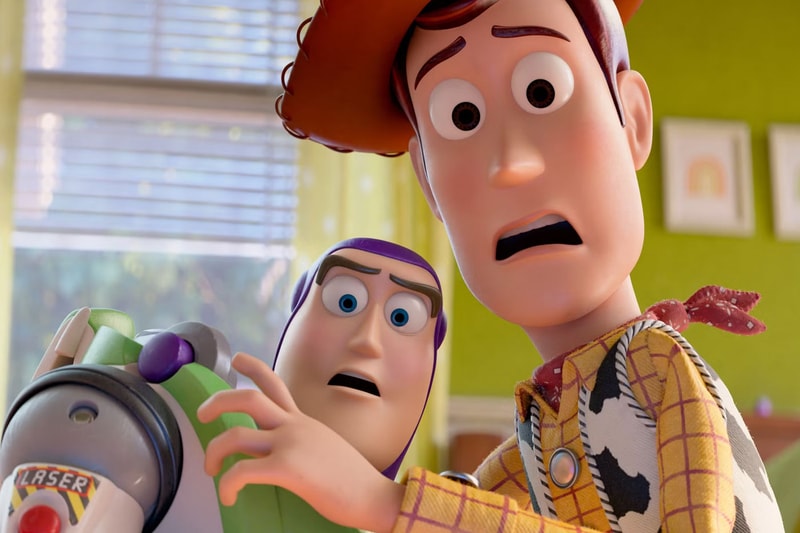
Disney and Pixar's "Toy Story 5" has crossed $800 million USD globally, cementing the franchise's status as a box office juggernaut. The animated sequel generated $390 million domestically and $410 million internationally, positioning it as a frontrunner to become 2026's first film to reach the $1 billion milestone.
The commercial dominance reflects the enduring appeal of Pixar's toy-driven universe across demographics and territories. The franchise has maintained consistent consumer interest through theatrical releases, merchandise tie-ins, and streaming availability, creating a multi-platform ecosystem that drives ticket sales. "Toy Story 5" arrives amid broader industry shifts toward franchise sequels and established intellectual property as studios prioritize bankable properties over original concepts.
This performance demonstrates animation's continued box office potency in an era where live-action tentpoles face declining returns. The family film category remains recession-resistant, with parents consistently investing in theatrical experiences for children. International markets, particularly in Asia and Europe, contributed substantially to the total, signaling global appetite for recognizable Disney-Pixar properties.
The milestone arrives as the entertainment landscape evolves rapidly. Streaming competition from Disney Plus, theatrical window compression, and changing consumer habits have reshaped studio strategies. Yet "Toy Story 5" proves that legacy franchises with strong emotional resonance still command premium theatrical experiences and opening weekend momentum.
For the fashion and lifestyle world, this box office success translates directly into merchandising opportunities. Disney's ability to monetize intellectual property across apparel, accessories, and lifestyle goods means "Toy Story" characters will dominate retail shelves and social media feeds throughout 2026. Fashion collaborations with contemporary brands, limited-edition collectibles, and character-driven apparel lines capitalize on the film's cultural penetration.
The sequel's trajectory suggests theatrical releases remain viable when backed by