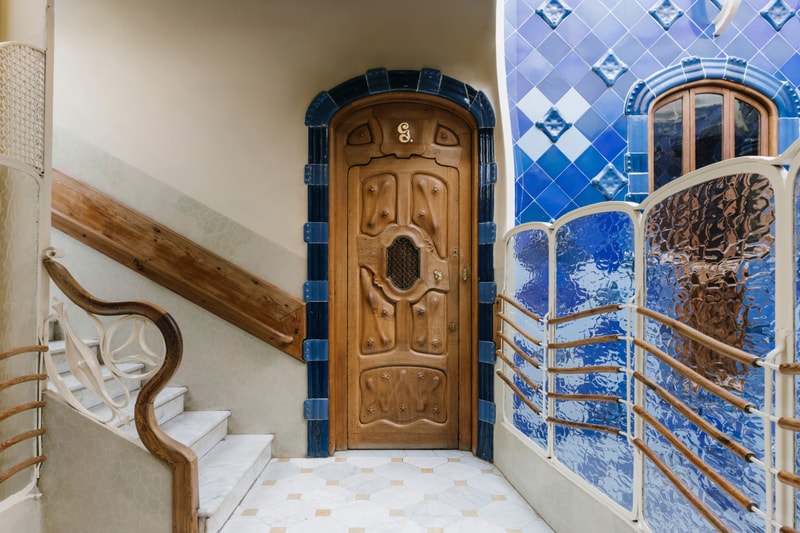
Casa Batlló's newly restored third floor opens a rare glimpse into Antoni Gaudí's domestic vision. The Barcelona landmark has unveiled the private residence for the first time in over a century, bringing Gaudí's original living quarters into the contemporary tourism and events landscape.
Designer Paola Navone of Otto Studio handled the restoration and renovation, threading a needle between historical preservation and modern function. Navone's eclectic interiors honor Gaudí's organic modernisme while introducing contemporary sensibility that works for private bookings and events. The space blends the architect's signature curved forms, natural materials, and sculptural details with curated pieces that feel neither sterile nor kitschy.
This development marks a shift in how Casa Batlló operates. The Gaudí-designed marvel has long attracted millions of visitors annually, but the upper floors remained family residences, off-limits to the public. The Batlló family's departure from the third floor creates opportunity for the landmark's commercial expansion while preserving the spatial integrity Gaudí intended.
The timing aligns with broader museum and heritage trends. Luxury brands and high-net-worth individuals increasingly book heritage sites for private events, blurring lines between cultural preservation and experiential luxury. Casa Batlló positions itself at that intersection, offering exclusivity wrapped in architectural authenticity.
Navone's curatorial approach matters here. Rather than impose a singular modern aesthetic or trap the space in amber, she created a living environment that respects Gaudí's material vocabulary. The third floor becomes a statement about how iconic modernist interiors can function in 21st-century contexts without erasure.
For the fashion and design world, this restoration signals how heritage buildings increasingly serve as cultural and commercial platforms. Casa Batlló now operates simultaneously as museum, event venue, and design statement. That multipl