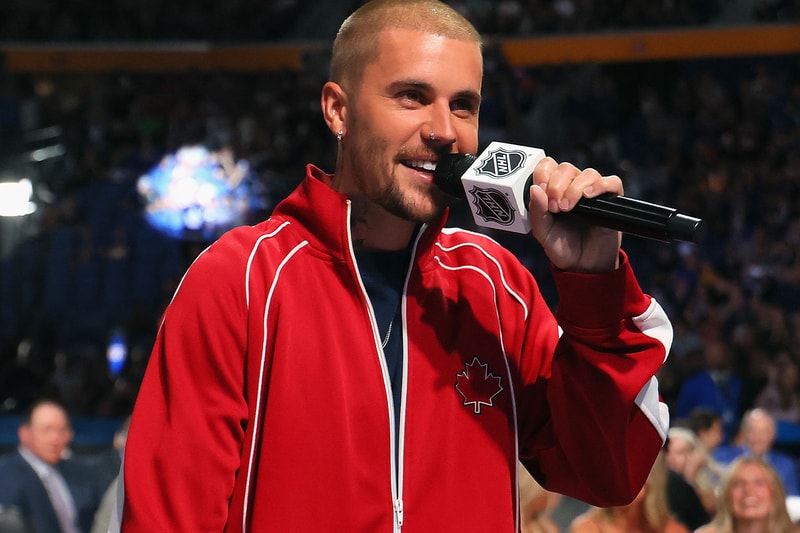
Justin Bieber joins one of music's biggest stages. FIFA confirmed the pop superstar for the 2026 World Cup final halftime show, a massive coup for both the artist and the tournament. The performance takes place July 19 at MetLife Stadium and marks the first time the World Cup final will feature a dedicated halftime spectacle of this scale.
The lineup reads like a greatest-hits compilation. Chris Martin of Coldplay curates the event, while Madonna, Shakira, BTS, and Burna Boy round out the roster. This is a deliberate balance of legacy acts, global pop dominance, and contemporary streaming power. Madonna and Shakira bring decades of stadium credibility. BTS commands the massive Gen Z and international fanbase. Burna Boy represents Afrobeats' continued crossover momentum. Bieber slots into the performer-producer sweet spot where he maintains chart relevance and cultural currency.
The broadcast carries philanthropic weight. FIFA aims to raise $100 million for the Global Citizen Education Fund, making this more than spectacle. It's a revenue and goodwill generator wrapped in a single performance.
This setup echoes how halftime shows have evolved into standalone events. The Super Bowl's halftime performance now commands network-level production budgets and talent acquisition. FIFA clearly wants similar cultural penetration, particularly as the 2026 tournament expands to 48 teams across the United States, Canada, and Mexico. A North American audience demands entertainment that matches the event's scale.
Bieber's inclusion signals smart booking. He carries multi-generational appeal without overshadowing the ensemble nature of the show. His catalog works in stadium settings. He won't dominate proceedings the way a solo headliner might, yet his presence guarantees streaming numbers and social media engagement.
The show becomes a statement about soccer's evolution as a pop culture