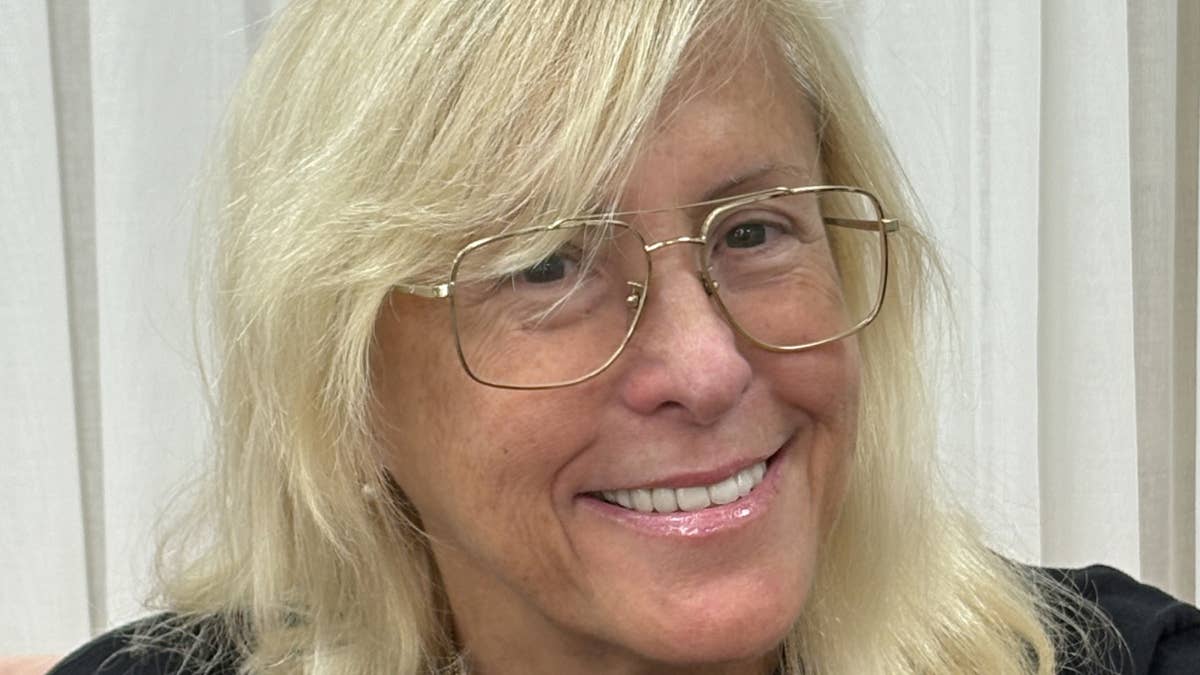
Amanda Uprichard built her eponymous occasionwear label into a thriving independent business by staying true to a singular vision for nearly two decades. The New York City-based founder has prioritized designing for her core customer, a woman seeking elevated everyday pieces and sophisticated occasion wear, rather than chasing trend cycles or wholesale partnerships that would dilute her brand identity.
Her direct-to-consumer strategy proved central to scaling the business. By selling primarily through her own channels, Uprichard maintained control over pricing, brand narrative, and customer relationships. This approach eliminated wholesale markups and allowed her to build a loyal community directly invested in her aesthetic. The DTC model also provided valuable data about customer preferences, informing product development and reducing inventory risk.
Uprichard's occasionwear niche sits at the intersection of accessibility and sophistication. Her customer doesn't require red-carpet spectacle but demands polish for dinners, events, and moments that matter. This positioning created a defensible market distinct from both fast fashion and ultra-luxury brands. The label's consistency across two decades speaks to a founder unwilling to compromise her point of view for temporary relevance.
Independent scaling presents distinct challenges. Without the resources of conglomerate backing, Uprichard navigated manufacturing partnerships, supply chain complexities, and limited marketing budgets while building brand awareness. Yet independence also preserved autonomy. She controlled her narrative, her production timeline, and her expansion into new categories on her own terms.
The founder's discussion on The Fashionista Network underscores a broader industry shift. Emerging designers increasingly bypass traditional wholesale models to build brands directly with consumers. Uprichard's nearly two-decade track record demonstrates that patient, principled brand building generates sustainable growth. Her success challenges the notion that size requires external capital or corporate ownership to succeed. She scaled by listening to her customer and trusting her instincts