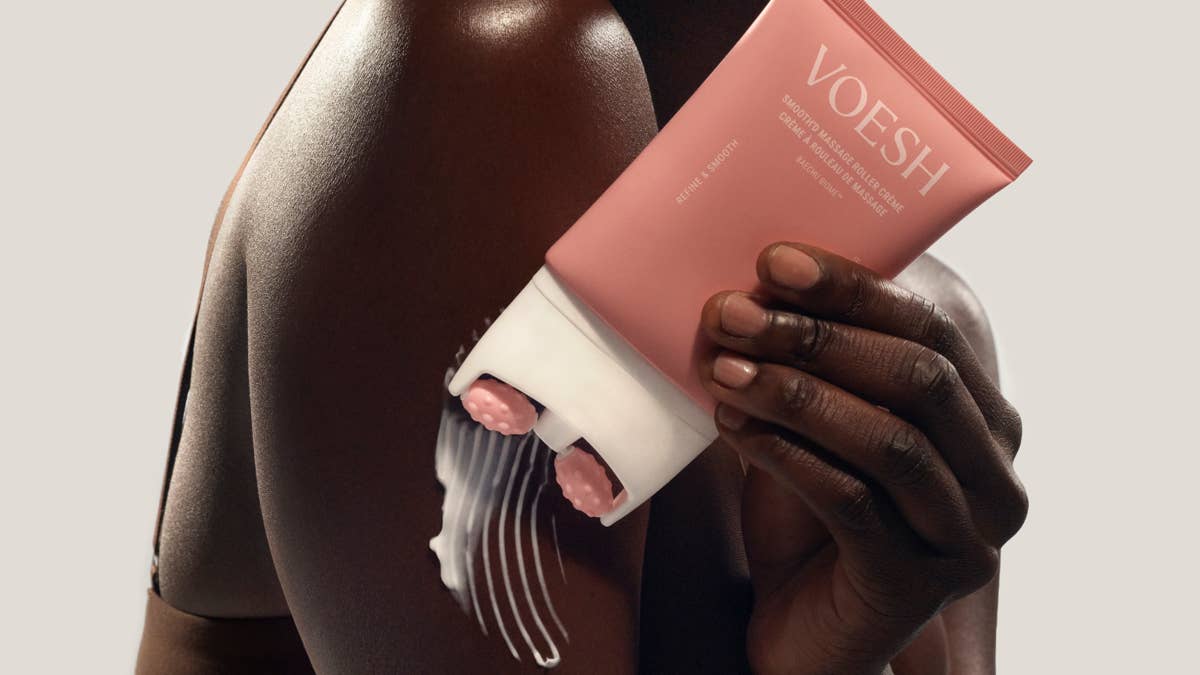
Voesh enters the crowded body-care market with a distinctly tactile approach, merging K-beauty philosophy with massage-focused products designed for at-home spa experiences. The brand's signature offering centers on massage roller creams, formulations engineered to glide smoothly across skin while delivering hydration and lymphatic benefits through ritualistic application.
The product lineup reflects Korea's wellness-first beauty ethos, where skincare doubles as self-care ceremony. Voesh's gua sha cleansing bar exemplifies this philosophy, combining traditional facial massage tools with cleansing functionality. The bar delivers a soapy lymphatic massage experience, positioning it as more than a simple cleanser but rather a multi-step ritual compressed into one product.
This positioning arrives as consumers increasingly reject single-use products and seek multifunctional formulas with built-in massage benefits. The massage-roller-cream category itself taps into broader trends around facial and body massage devices, expanding beyond electric tools like NuFace and into tactile, texture-based solutions. By embedding massage capability into cream formulations, Voesh sidesteps the high price points of electrified alternatives while delivering perceived spa quality.
K-beauty's influence on global beauty continues unabated. Brands from Laneige to Purito have successfully exported Korean skincare logic abroad, and Voesh follows this playbook by centering Korean beauty rituals rather than simply borrowing aesthetic elements. The massage-cream concept specifically echoes Korean multi-step routines where application method matters as much as ingredients.
The brand joins a competitive tier of accessible luxury body-care labels like Augustinus Bader and Fur, each attempting to upgrade routine products with wellness narratives and premium positioning at mid-range price points. Voesh's spa-quality claim positions it squarely in this zone, targeting consumers willing to