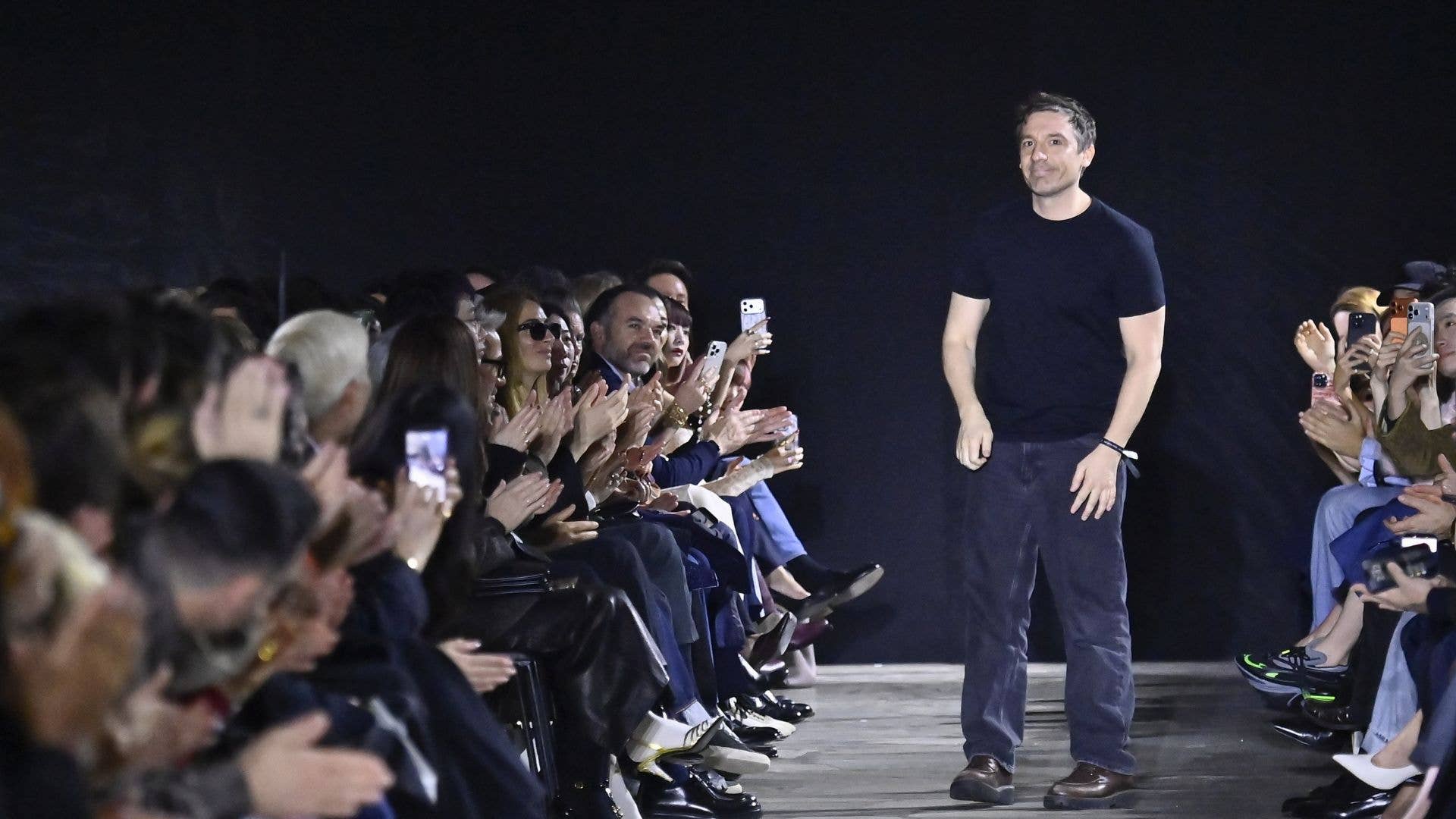
Julien Dossena has departed Rabanne after 13 years as creative director, marking a significant leadership shift for the storied French maison. The designer's exit closes a substantial chapter in the house's contemporary evolution, during which he steered the brand through major creative and commercial transformations.
Dossena joined Rabanne in 2011, inheriting a house steeped in the futuristic vision of founder Paco Rabanne but facing relevance challenges in the modern luxury market. His tenure modernized the brand's metallic signatures and chainmail heritage for a new generation, balancing reverence for house codes with directional design that appealed to younger clientele. Under his direction, Rabanne solidified its position in luxury fashion through strategic collections that merged the founder's bold aesthetic with contemporary silhouettes.
The departure reflects broader industry currents. Creative tenures at heritage houses grow increasingly scrutinized as shareholders demand consistent growth and cultural relevance. Thirteen years represents substantial time in the role, particularly as burnout among designers intensifies and competing demands from conglomerates press creative leaders harder than ever.
Rabanne, owned by Kering since 2012, now faces the familiar challenge of identifying a successor who can honor the house's legacy while charting new commercial territory. The brand's identity as a luxury player hinges on appointing a designer capable of understanding its distinctive language of structure, metallics, and provocative femininity.
Dossena's next move remains uncertain, though departures of this magnitude typically precede either sabbaticals or appointments at other prominent houses. His departure opens the question of whether Rabanne will pursue an established designer from within the Kering portfolio or seek external talent to inject fresh perspective. The timing offers the house opportunity to reassess its positioning in a market increasingly fractured by direct-to-consumer models and digital