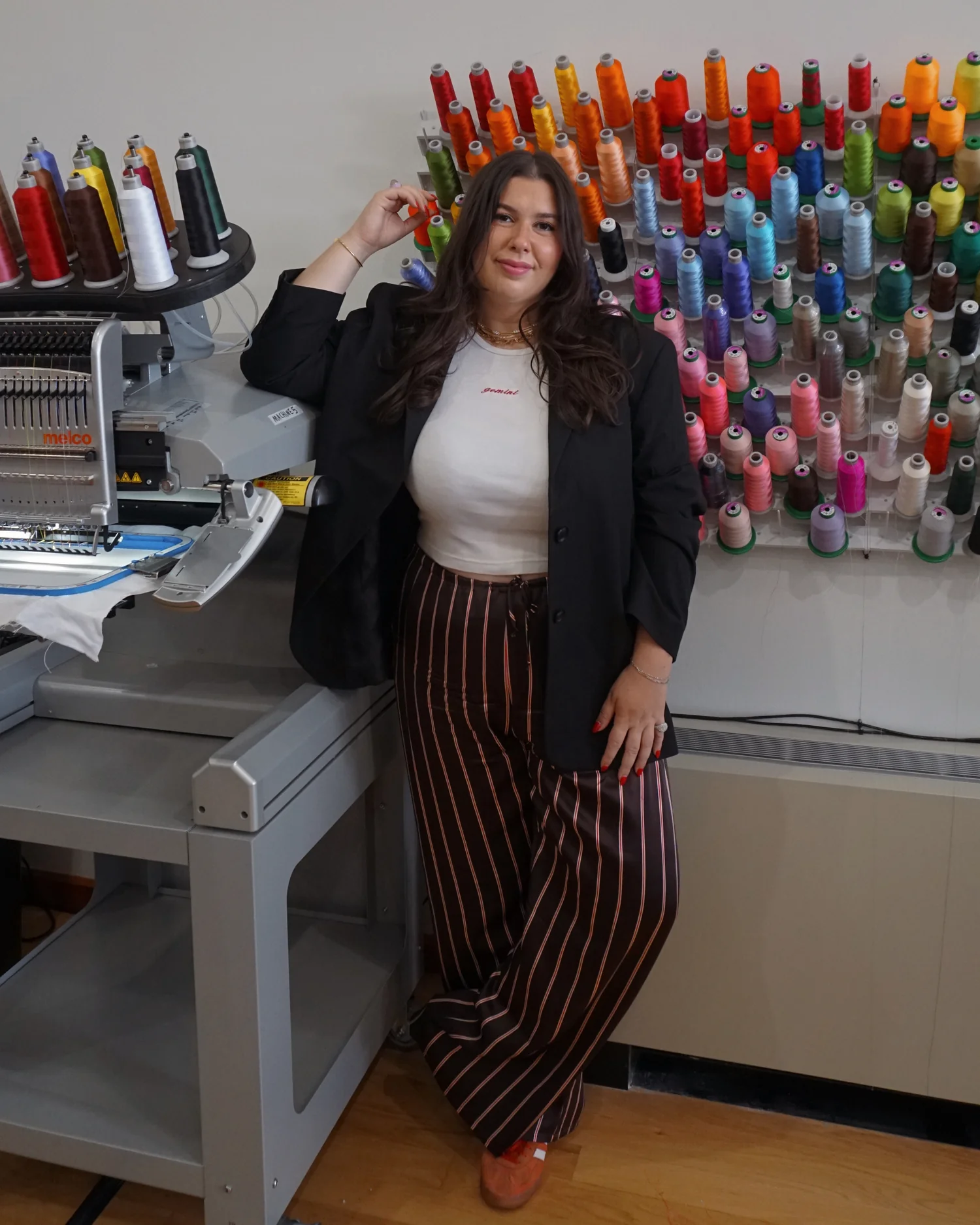
Abby Price has built Abbode into a personalization powerhouse, steering the New York-based brand toward $10 million in sales by betting on customization when the broader fashion industry still treated it as a niche play. The founder's strategy centers on giving customers control over their purchases, a philosophy that resonates with shoppers fatigued by mass-produced basics.
Abbode's rise reflects a seismic shift in how consumers engage with fashion. The brand offers made-to-order pieces that allow buyers to select everything from fabrics to fits, a direct challenge to fast fashion's one-size-fits-some approach. Price recognized early that personalization wasn't just a feature—it was becoming table stakes for brands targeting younger, more intentional shoppers.
The milestone arrival at $10 million in revenue positions Abbode within a broader movement toward direct-to-consumer models and artisanal production. This contrasts sharply with legacy retail, where inventory risk and overproduction remain persistent problems. By limiting waste through customer-first design, Abbode sidesteps the markdown cycles that punish traditional brands.
Price's leadership reveals how founder-led brands can scale without abandoning their founding principles. Rather than chasing wholesale partnerships or licensing deals, Abbode doubled down on its core offering, building community through transparency about production and pricing.
The personalization trend extends beyond Abbode. Brands like Bonobos pioneered fit-first retail, while contemporary players including Everlane champion radical transparency. What separates Abbode is its commitment to true customization—not just choosing from preset options, but co-creating garments.
This approach demands operational discipline. Made-to-order requires managing customer expectations, maintaining production timelines, and building supply chains that reward quality over velocity. Price navigated these challenges while bootstrapping growth, a testament to both her