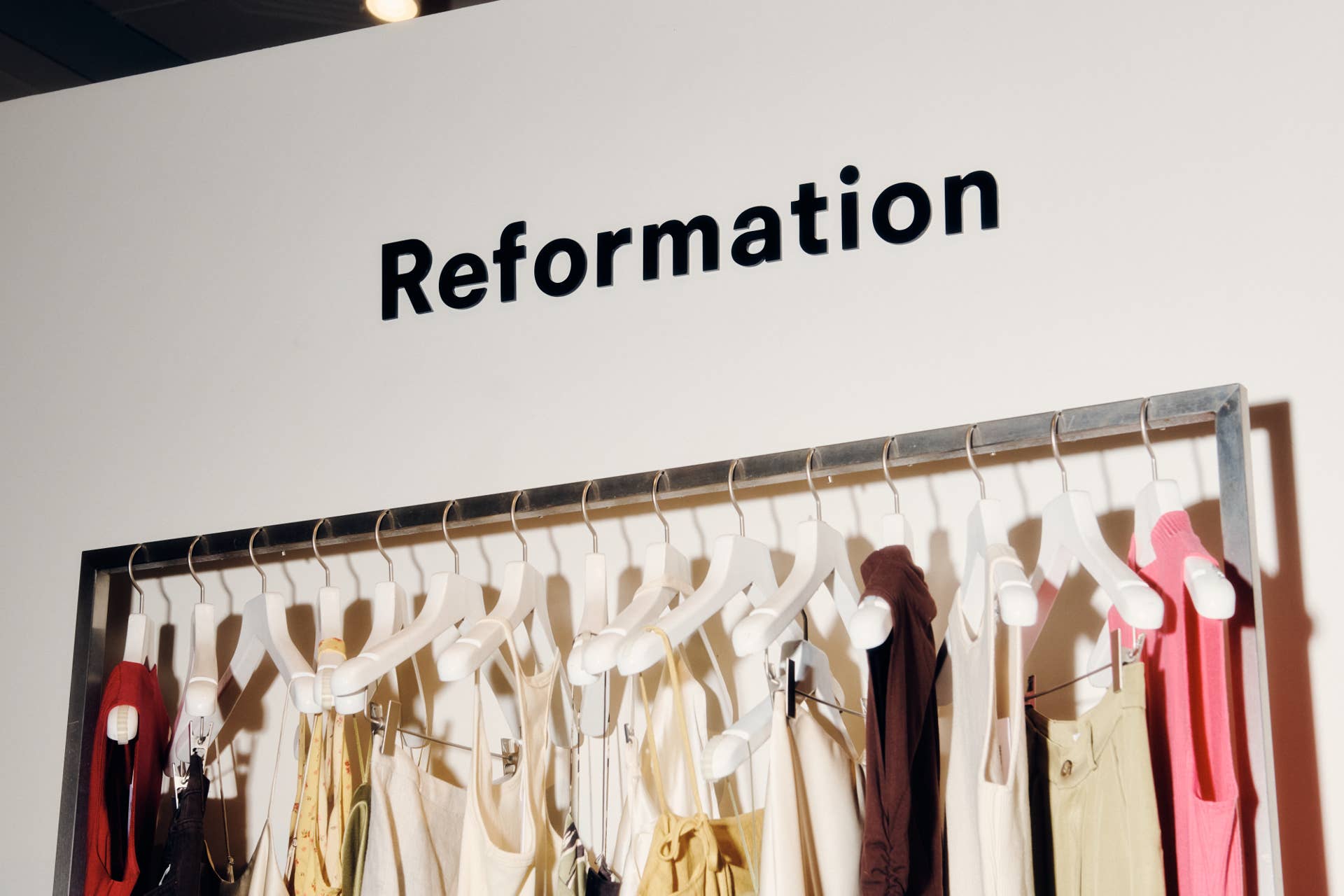
Reformation, the Los Angeles-based sustainability-focused fashion brand, has filed for an initial public offering. The move signals the company's ambitions to scale operations and expand its market footprint following years of steady growth in the contemporary fashion space. Founded in 2009 by Yvonne Mathieu, Reformation built its reputation on eco-conscious production methods and direct-to-consumer strategies that resonated with millennial and Gen Z consumers prioritizing environmental responsibility.
The IPO filing arrives as Reformation confronts competitive pressures from both legacy fashion houses and digitally native upstarts. Going public would provide capital for inventory expansion, retail infrastructure, and supply chain investments. Reformation's journey toward public markets reflects broader shifts in how fashion investors evaluate companies, with sustainability credentials now integral to valuation metrics rather than peripheral marketing narratives.
Separately, Aesop, the Australian skincare brand owned by Estée Lauder Companies, relaunched its Queer Library initiative. The project celebrates LGBTQ+ voices in literature and design, reinforcing brand positioning around cultural activism and inclusive community engagement. Such efforts demonstrate how luxury beauty and fashion companies increasingly leverage cultural programming to deepen consumer relationships beyond transactional exchanges.
Meanwhile, major luxury fashion brands are recalibrating their Instagram strategies amid shifting platform dynamics and algorithm changes. Brands traditionally dependent on organic reach are investing more heavily in paid partnerships, influencer collaborations, and shoppable content formats. The reassessment reflects Instagram's evolution from discovery platform to commerce engine, forcing luxury houses to balance heritage storytelling with performance-driven marketing metrics.
These developments underscore the fashion industry's ongoing transformation. Reformation's IPO ambitions demonstrate investor appetite for sustainable fashion at scale. Aesop's cultural programming shows how beauty brands compete through meaning-making rather than product alone. And luxury's Instagram pivot reveals how digital marketing orthodoxy shifts