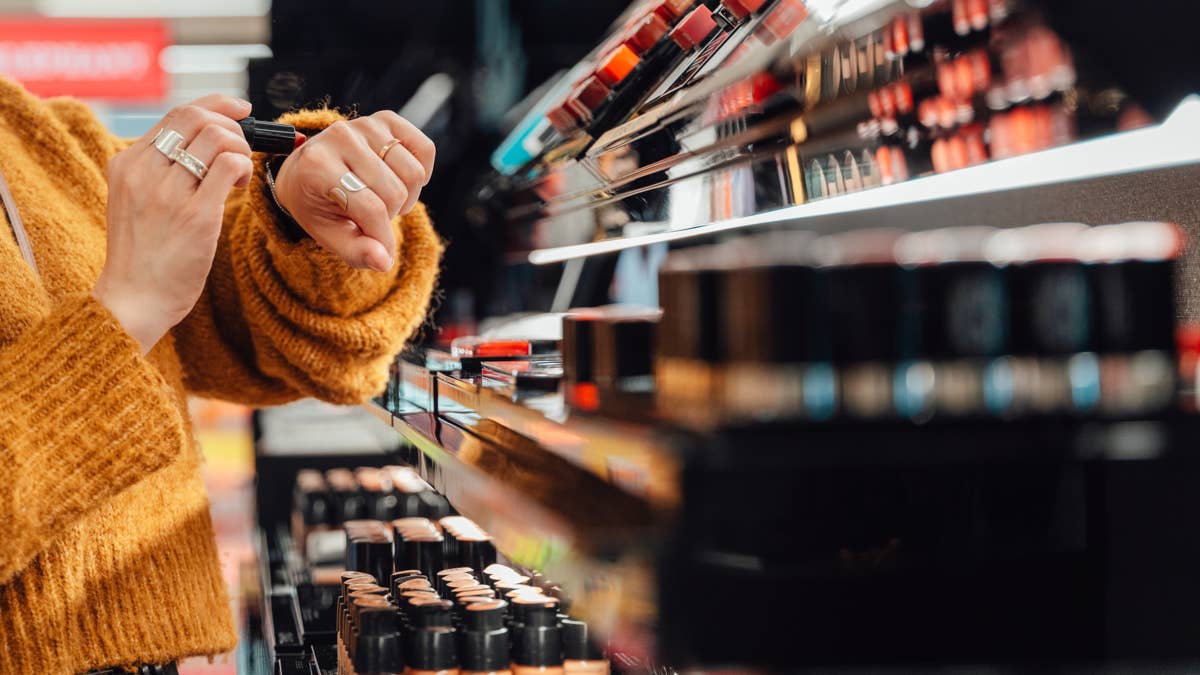
The mid-market beauty sector faces a crossfire. Prestige brands undercut pricing while mass-market competitors offer accessible luxury through TikTok virality. Mid-priced brands occupy increasingly hostile terrain.
Founders respond by doubling down on product efficacy and transparency. Brands like Drunk Elephant and The Ordinary demonstrate that consumers value honest ingredients lists and clinical backing over marketing gloss. Performance becomes the differentiator when price no longer shields exclusivity.
Direct-to-consumer models help. Bypassing retail middlemen lets brands hold margins while competing on substance. Transparent supply chains and sustainability credentials appeal to Gen Z shoppers skeptical of traditional beauty hierarchies. Trust replaces prestige as currency.
The market shift reflects fundamental changes in consumer behavior. Social media collapses gatekeeping. A Cerave product recommended by a dermatologist on Instagram competes directly with luxury serums at Sephora. Mid-market brands caught between these forces must choose: climb toward prestige through storytelling and exclusivity, or descend toward mass through distribution and accessibility.
Winners invest in education. Brands explain formulation choices, clinical trials, and ingredient sourcing. Glossier built empire on demystifying beauty. Olaplex demonstrated that hair science commands premium pricing when proven effective.
Innovation matters equally. Brands introducing genuinely novel textures, delivery systems, or active ingredients escape commodity status. The market rewards differentiation grounded in substance, not packaging.
Competition intensifies as retail consolidates and social algorithms favor novelty. Mid-priced beauty founders navigate narrowing margins and demanding consumers. Success demands radical honesty about what products deliver, backed by performance data and authentic community engagement rather than celebrity endorsement.