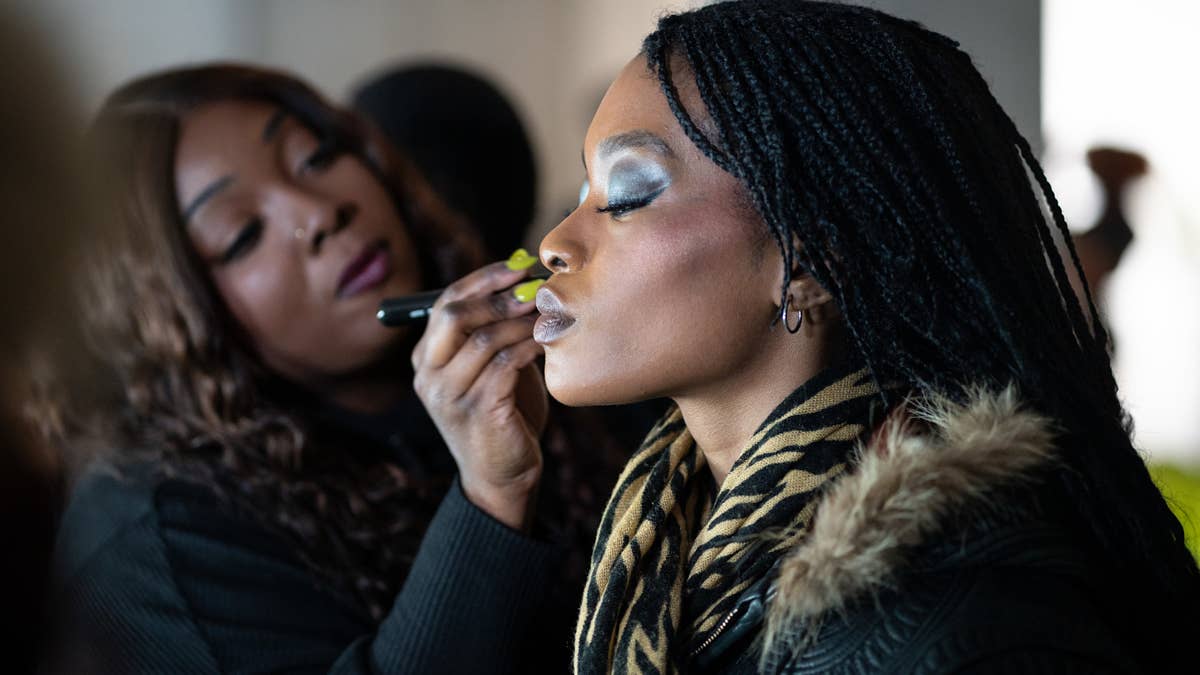
Tomi Talabi, founder of The Black Beauty Club, confronts a persistent industry bias: Black-founded beauty brands face automatic categorization as niche before consumers experience their products. This gatekeeping limits market reach and perpetuates the false notion that brands created by Black founders serve only Black consumers.
The beauty industry has long struggled with representation. Major conglomerates control distribution, retail shelf space, and cultural narrative. When brands from marginalized founders launch, retailers and media outlets frequently relegate them to "ethnic" or "specialty" sections rather than positioning them alongside mainstream competitors. This segregation signals limited appeal and restricts visibility.
Consider the contrast. Prestige beauty companies founded by white entrepreneurs receive immediate placement in Sephora, Ulta, and department stores without qualification. Their marketing reaches broad audiences. Yet Black-founded brands like Fenty Beauty, Black Opal, and Cantu frequently battle for equivalent distribution and positioning, despite strong consumer demand and product innovation.
The niche label reflects systemic gatekeeping, not consumer preference. Beauty works on chemistry and efficacy. A moisturizer, sunscreen, or foundation performs regardless of founder identity. Yet the industry treats Black beauty founders as serving a vertical market rather than participating in universal categories.
Talabi's observation exposes how language shapes perception. Calling a product line "niche" implies limited applicability and audience. It's a tool of exclusion dressed in marketing terminology. The same standards applied to white-founded indie brands, which the industry celebrates as "prestige" or "luxury," become dismissive barriers when applied to Black entrepreneurship.
Dismantling this bias requires retail partners and media to recognize Black-founded beauty brands as competitors in mainstream markets, not as subcategories. It demands equal shelf positioning, equivalent marketing investment, and representation in beauty editorials alongside established names. The industry benefits economically