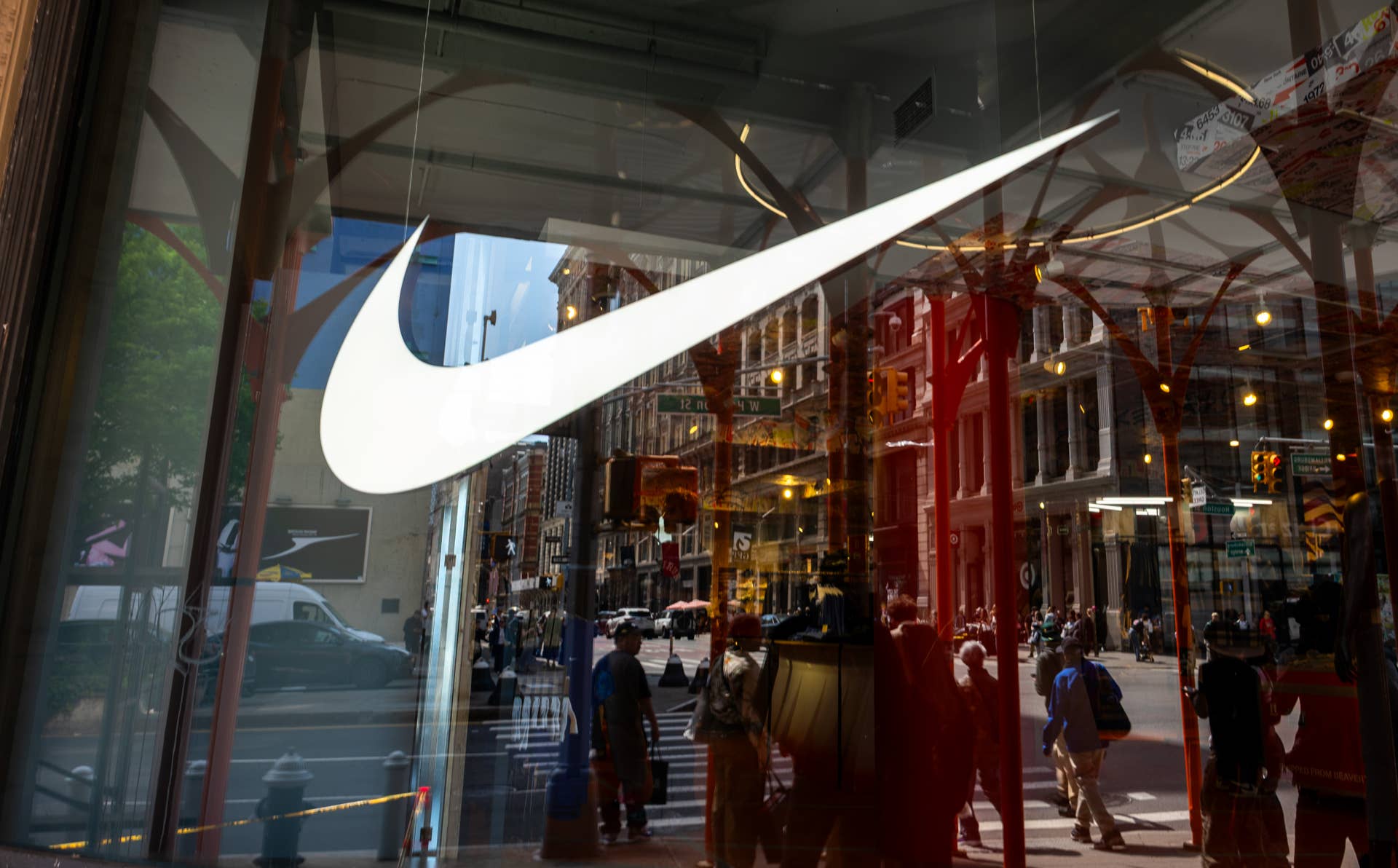
Nike delivered a commanding Q4 revenue beat, signaling robust demand for its footwear and apparel portfolio despite broader retail volatility. The sportswear giant's performance outpaced analyst expectations, reinforcing its position as a category leader navigating shifting consumer preferences toward performance-driven and lifestyle-focused products.
The earnings surprise reflects Nike's disciplined inventory management and successful direct-to-consumer expansion, which has improved margins while strengthening brand control. Wholesale partnerships remain steady, though the company's owned channels continue driving profitability. Nike's ability to balance premium positioning with accessible price points across its core Jordan Brand, Nike Performance, and lifestyle segments proves the company's operational resilience.
Separately, CPG brands targeting fashion and lifestyle consumers are orchestrating major strategic overhauls. These companies recognize that traditional distribution models no longer suffice in an environment where digital-first consumers demand seamless omnichannel experiences. Revamped strategies center on direct engagement, social commerce integration, and collaborations with lifestyle influencers to capture younger demographics increasingly skeptical of conventional marketing.
Giorgio Armani's situation underscores broader shifts in luxury ownership structures. The Italian fashion house retained consulting advisors ahead of a potential stake sale, signaling the Armani family's openness to strategic partnerships or investment. This move reflects industry-wide consolidation pressures as independent luxury brands weigh autonomy against capital needs for digital transformation, supply chain modernization, and global expansion.
The consulting engagement suggests Armani seeks to position itself optimally before negotiations with potential investors, likely emphasizing heritage, craftsmanship, and Asian market penetration. Unlike conglomerates such as LVMH and Kering, which absorb brands into sprawling portfolios, Armani could negotiate terms preserving creative independence while accessing growth capital.
These developments illustrate three converging forces reshaping fashion and apparel