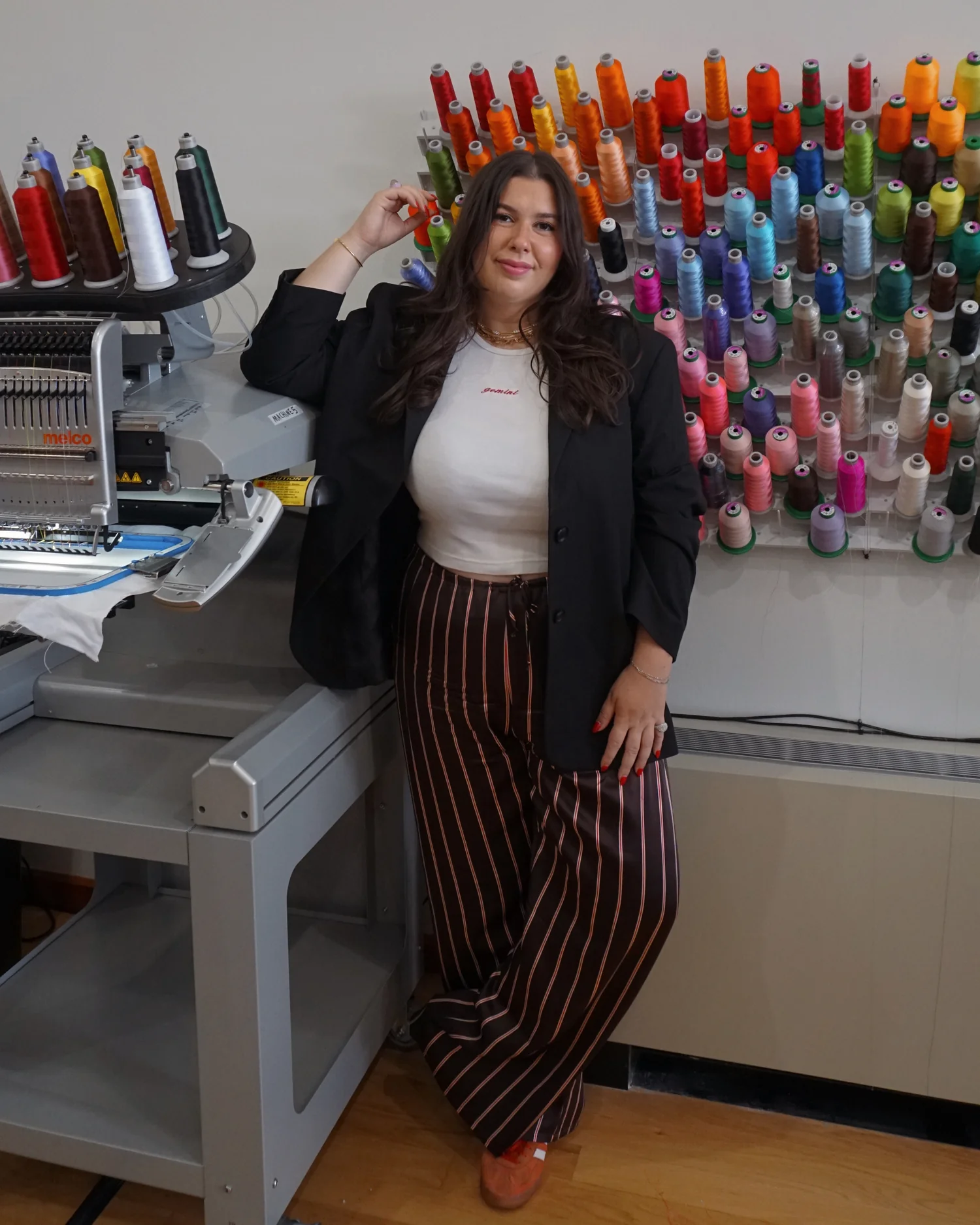
Abby Price built Abbode into a $10 million revenue business by betting on personalization when the trend was still nascent. The New York-based brand specializes in customizable clothing, allowing customers to design pieces tailored to their specifications rather than settling for off-the-rack options.
Price's approach taps into a broader shift in consumer behavior. Mass production no longer satisfies customers who want individuality in their wardrobes. Abbode capitalizes on this demand by offering tools that let buyers select fabrics, cuts, colors, and details, creating garments that align with their personal aesthetic and fit preferences.
The personalization movement has gained momentum across fashion in recent years. Luxury houses like Burberry and Gucci now offer bespoke services. Mass-market retailers including Nike and Adidas invested heavily in customization platforms. Abbode's success proves that personalization can sustain a standalone business model rather than function merely as a premium service layer.
Price's strategy reveals how direct-to-consumer brands thrive by listening to what customers actually want. Rather than dictating trends from above, Abbode inverts the traditional design hierarchy. Customers become co-creators, which builds loyalty and reduces inventory waste. The model also justifies higher price points since each piece reflects individual choice.
The $10 million milestone positions Abbode as a serious player in a fragmented market where personalization is no longer optional for brands seeking growth. As fast fashion faces mounting scrutiny over sustainability and waste, made-to-order models gain appeal. Abbode's trajectory suggests that the future of fashion retail belongs to brands offering flexibility, customization, and meaningful consumer participation in the design process.