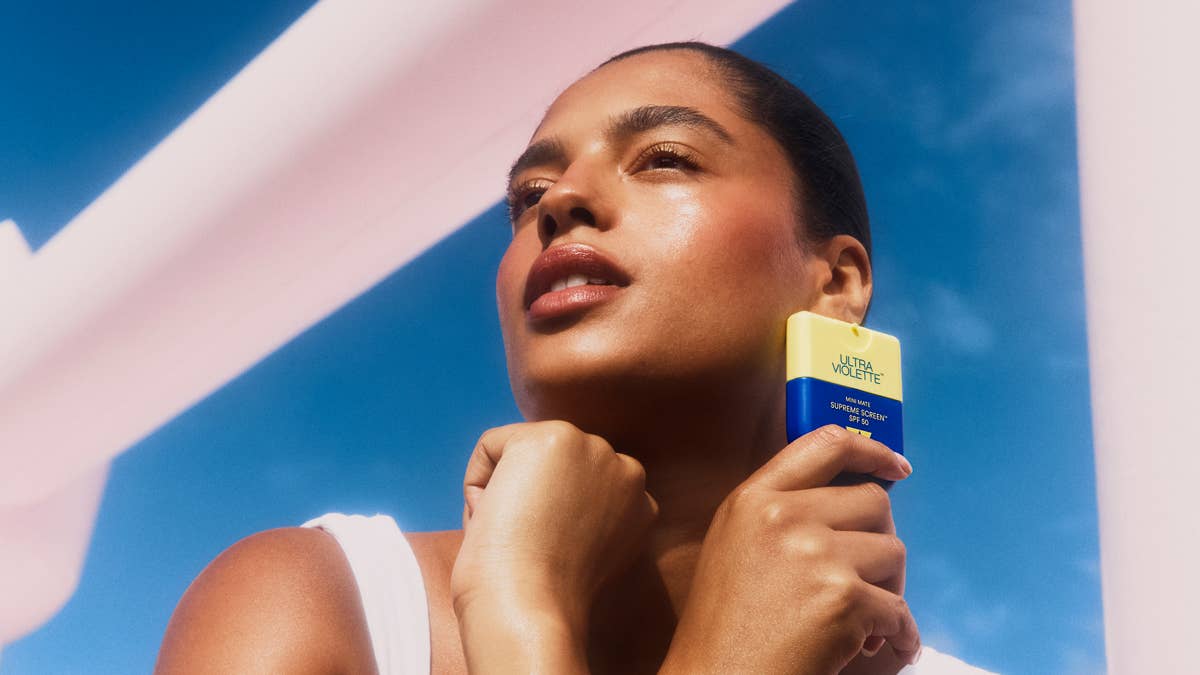
The FDA's approval of bemotrizinol marks a watershed moment for the independent sun-care sector. This first new UV filter in 25 years opens pathways that indie brands have long pursued but couldn't execute, and the industry reaction is unambiguous: relief mixed with momentum.
Bemotrizinol works differently than existing approved filters like oxybenzone and avobenzone. It absorbs across a broader UV spectrum with less likelihood of photodegradation, meaning sunscreen stays effective longer. For smaller brands operating outside the major conglomerate umbrella, this approval removes a critical barrier. They've been stuck formulating within a limited ingredient palette, watching European and Asian competitors deploy advanced options for years.
Independent sun-care makers like Coppertone alternatives, emerging DTC brands, and clean-beauty startups now face real R&D decisions. Bemotrizinol costs more than legacy filters, but the stability advantage could justify premium positioning. Brands targeting the natural-conscious consumer face another calculation: bemotrizinol is synthetic, not mineral-based. This choice matters for marketing narratives built around "clean" or "reef-safe" positioning.
The broader implication shifts competitive dynamics. Large players like L'Oreal and Unilever already have bemotrizinol formulations queued for launch. Indie brands must move faster or risk appearing stagnant. Some will reformulate existing bestsellers. Others will launch new products leveraging bemotrizinol as a primary marketing hook.
Distribution becomes the next hurdle. Retailers want innovation stories, and bemotrizinol gives indie brands exactly that. Sephora, Ulta, and specialty retailers will likely feature reformulated products. DTC brands can control messaging entirely, positioning bemotrizinol stability as a direct-to-consumer advantage.
The approval also signals regulatory movement