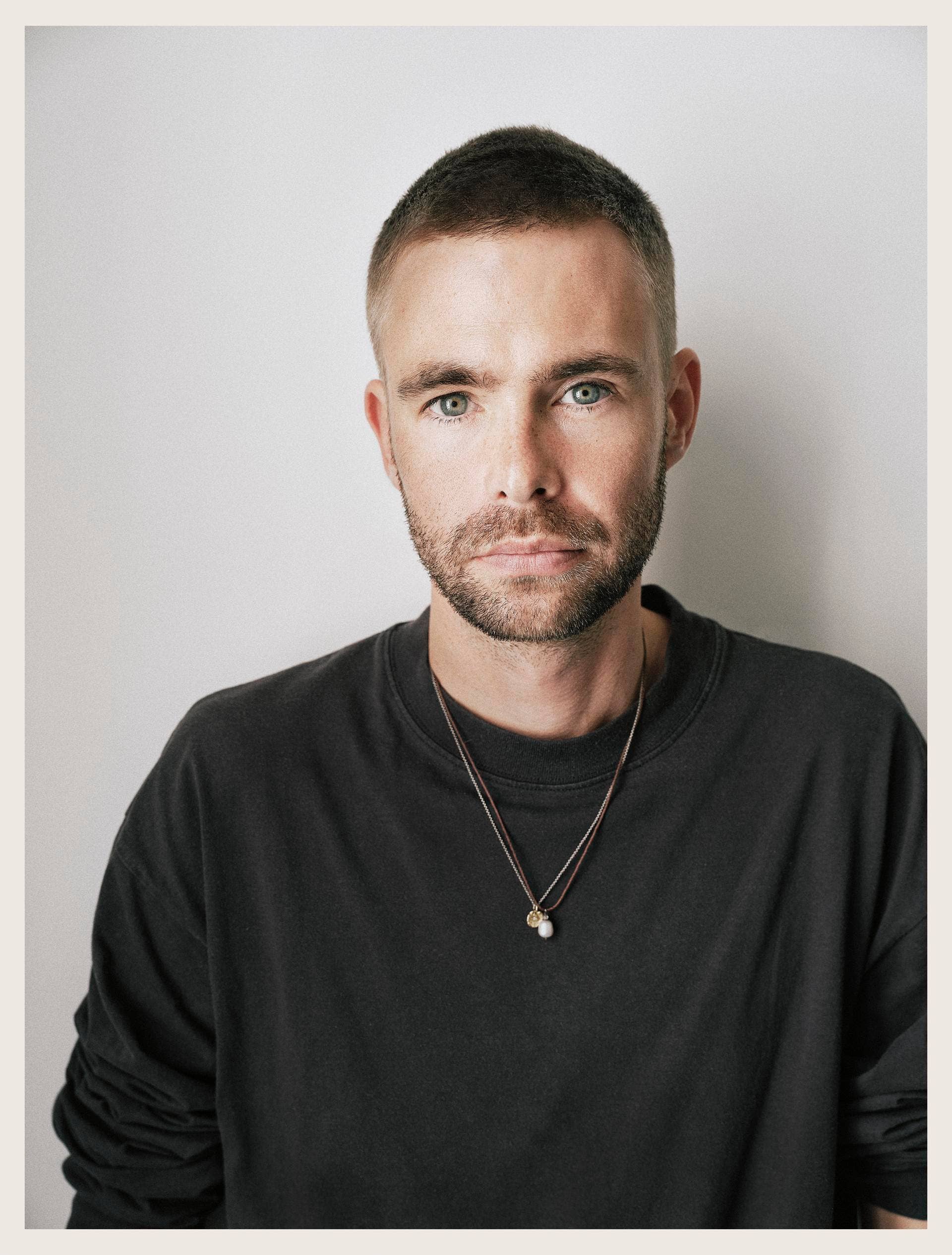
Carven appointed a new design director this week, marking a significant leadership shift for the French heritage brand known for its refined minimalism and accessible luxury positioning. The appointment signals the house's continued evolution as it navigates the competitive contemporary market.
Matthew Williamson's collaboration with Free People represents another major industry moment. The celebrated British designer, who built a reputation for bohemian glamour and vibrant prints at his eponymous label, brings his signature aesthetic to the lifestyle retailer's offering. This partnership underscores how established designers increasingly work across multiple platforms to reach broader audiences beyond traditional runway presentations.
The emerging trend around transdermal wellness patches reflects fashion's expanding intersection with health and beauty. These patches, worn visibly on skin, function as both functional wellness products and fashion accessories. The category taps into consumer demand for visible wellness signaling, where wearing health-forward products becomes a style statement. Brands spanning luxury to mainstream retail recognize this convergence, integrating wellness into their product portfolios alongside traditional apparel and accessories.
These three narratives reveal where fashion concentrates energy currently. Heritage houses reshape leadership to stay relevant. Established designers expand their reach through strategic retail partnerships rather than relying solely on independent labels. And the industry absorbs new categories like wellness patches as legitimate fashion items, blurring boundaries between apparel, beauty, and health.
The week's stories demonstrate how fashion houses respond to market pressures through leadership changes, how designers leverage retail partnerships for scale, and how emerging wellness categories reshape what counts as fashion. Carven's directorial hire, Williamson's Free People venture, and the wellness patch phenomenon each reflect industry players adapting to contemporary consumer expectations around accessibility, visibility, and the lifestyle integration of fashion products.